
Posts by Davis Weddi
STISA-2034:Turning research into policy through knowledge uptake
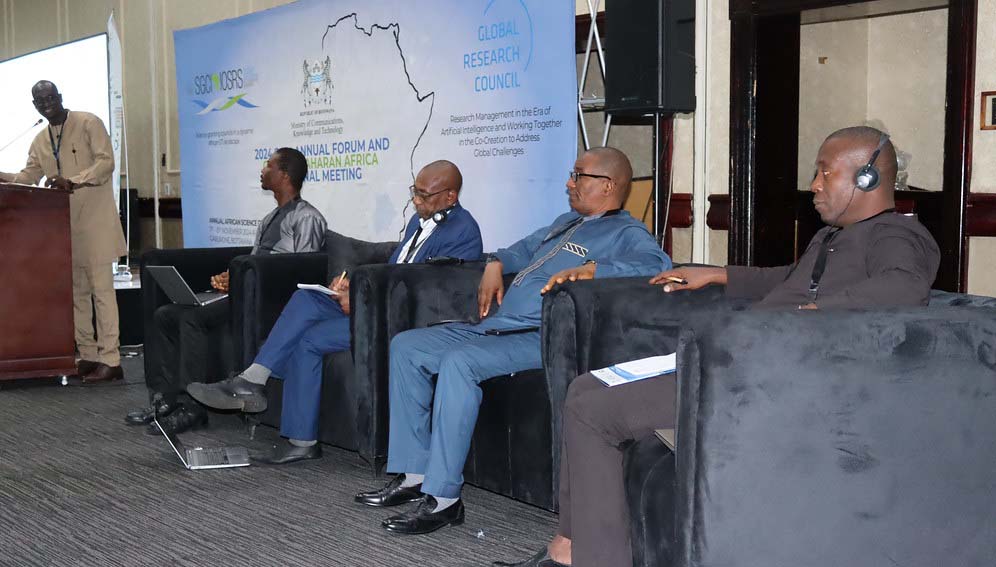
Africa produces a growing body of research on the challenges shaping everyday life, yet a persistent gap remains between generating evidence and putting it to use. Research findings may be published in journals, presented at conferences and archived in institutional repositories, but too often they stop short of reaching the policymakers, practitioners and communities who…
Read MoreGhana research fund advances push for open research, science
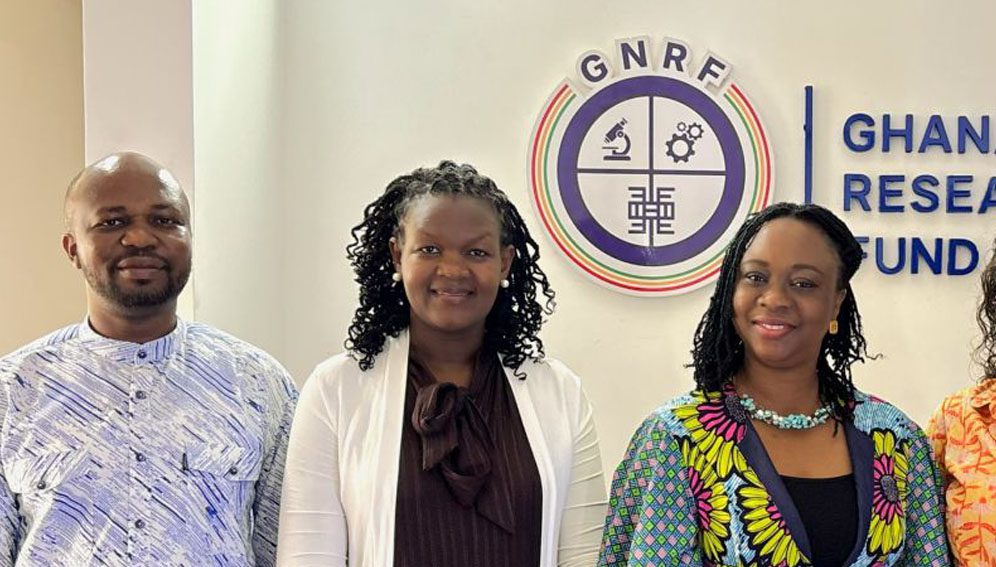
The Ghana National Research Fund (GNRF) is taking steps to strengthen open access to publicly funded research, as the country develops a framework to advance Open Research and Open Science. GNRF hosted a one-day consultative workshop in Accra with the International Network for Advancing Science and Policy (INASP), bringing together stakeholders to explore how Ghana…
Read MoreSTISA-2034: Councils drive access to Africa’s research opportunity
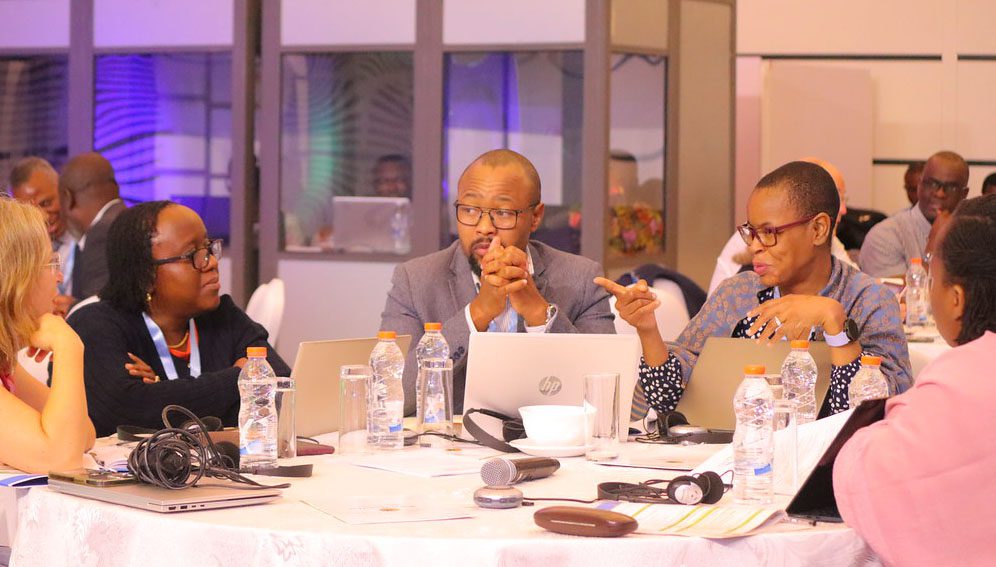
For a continental research opportunity to deliver impact, researchers need to know whether they are eligible, understand how the opportunity fits their work, find the right partners, and navigate the application process. This is where Africa’s Science Granting Councils have a critical role to play. As partners in the SGCI–STISA 2034 Multilateral Research Call, the…
Read MoreNamibia’s young innovators showcase solutions at Falling Walls Lab
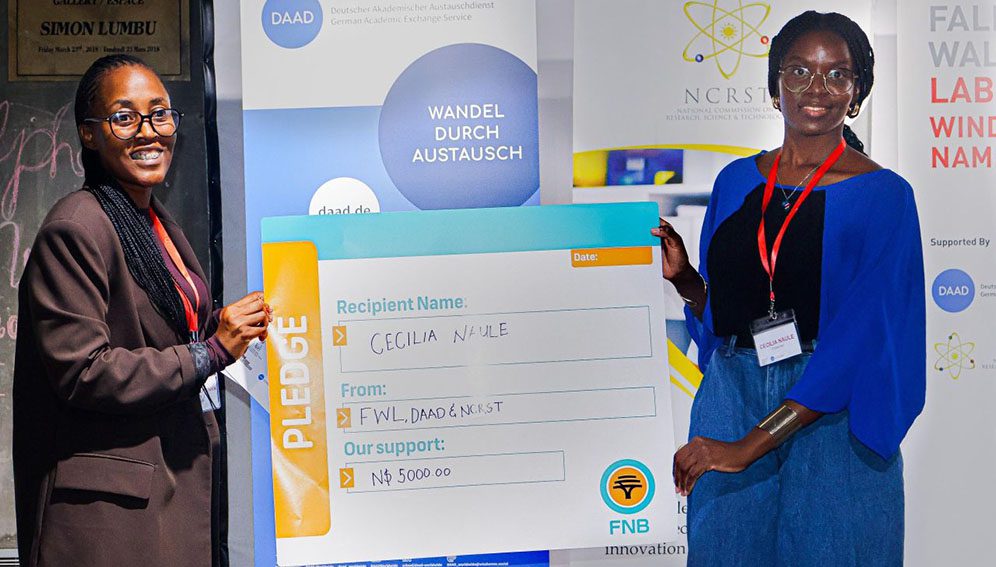
Namibia’s young innovators are developing practical solutions to some of the country’s pressing challenges, from improving mobility for people with visual impairments to finding ways of storing solar energy for use when sunlight is unavailable. These ideas were showcased at the Falling Walls Lab Namibia 2026, hosted by the National Commission on Research, Science and…
Read MoreSTISA-2034: One month left: Is your consortium ready?
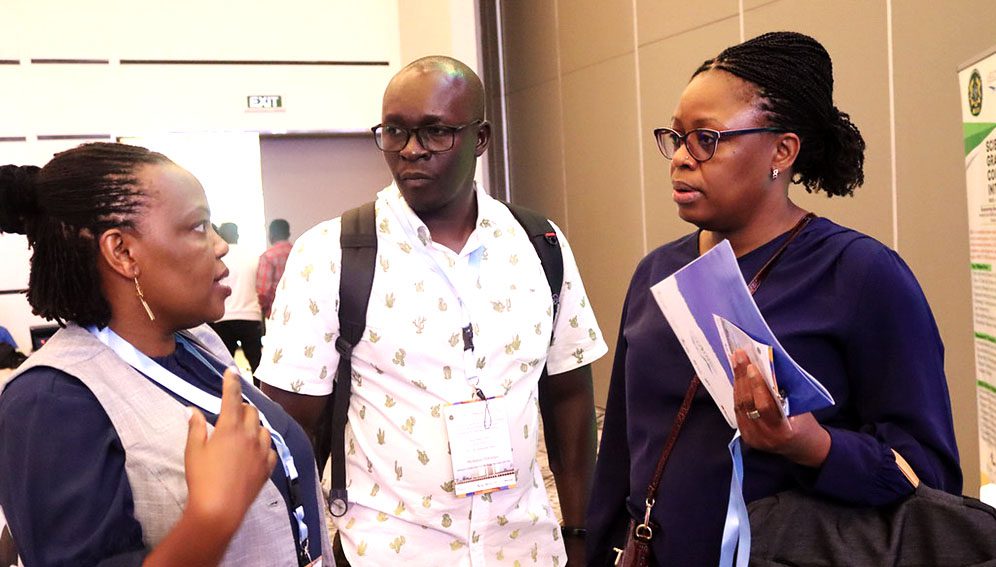
With less than one month until the deadline, African researchers interested in the SGCI–STISA 2034 Multilateral Research Call should be moving from partnership-building to proposal preparation. The countdown has begun. Researchers and institutions have until 25 September 2026 at 23:59 EDT to submit expressions of interest for the Call, an opportunity that supports Africa-led research…
Read MoreEthiopia joins global AI body as national science systems expand
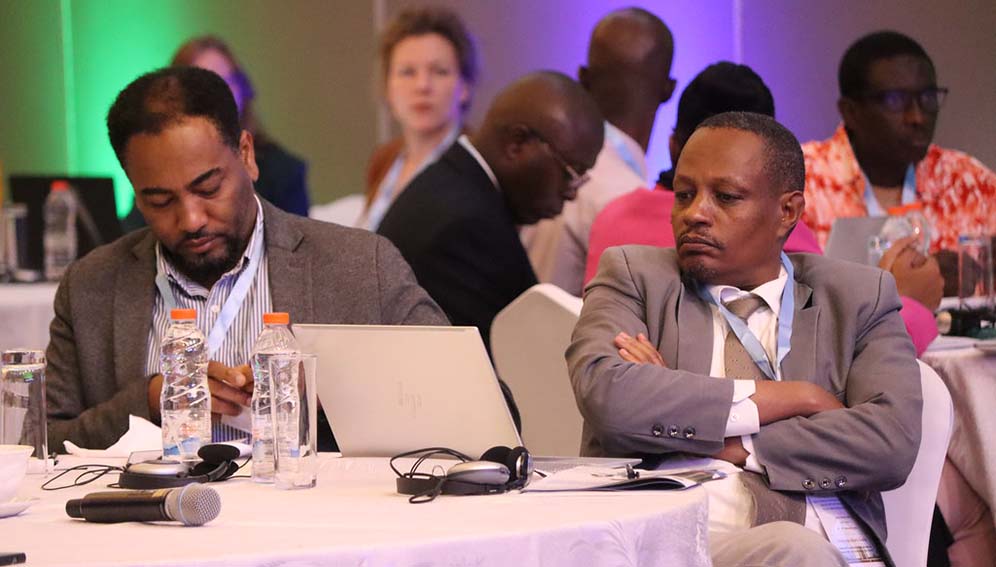
Ethiopia has joined 28 other countries in establishing a new international body to promote cooperation and governance in artificial intelligence (AI), highlighting the country’s growing focus on using science, technology and innovation to drive development. Ethiopia’s Minister of Innovation and Technology, Belete Mola, signed the establishment agreement for the World Artificial Intelligence Cooperation Organization (WAICO)…
Read MoreUnderstanding STISA-2034 call eligibility
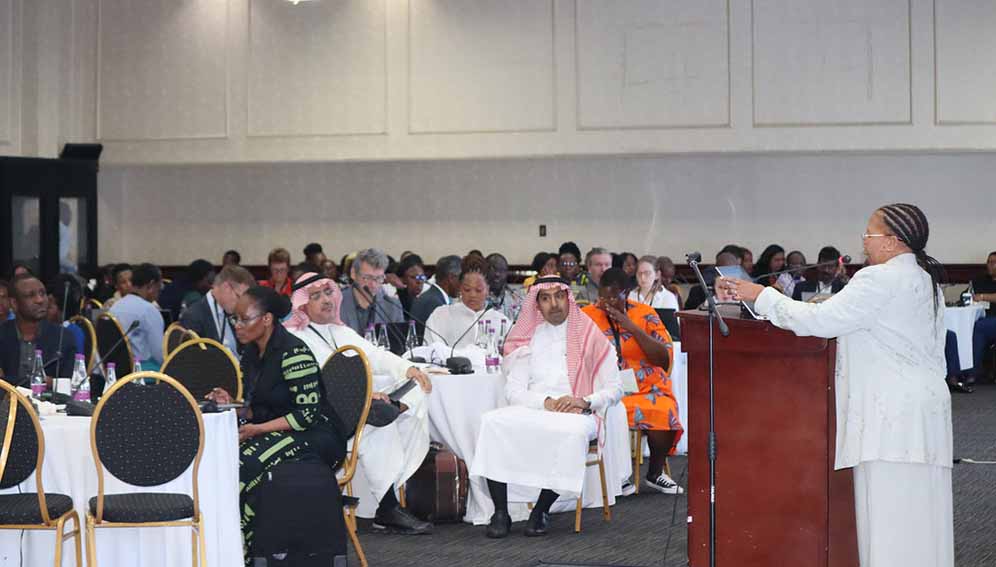
The Science Granting Councils Initiative (SGCI) opened its multilateral research call to advance Africa’s Science, Technology and Innovation Strategy for Africa (STISA 2034), and interest from applicants is building across the continent’s research community. Before diving into a proposal, here’s what determines whether your institution and consortium qualify. Who is eligible The call is open…
Read MoreGambia workshop tackles research funding gaps
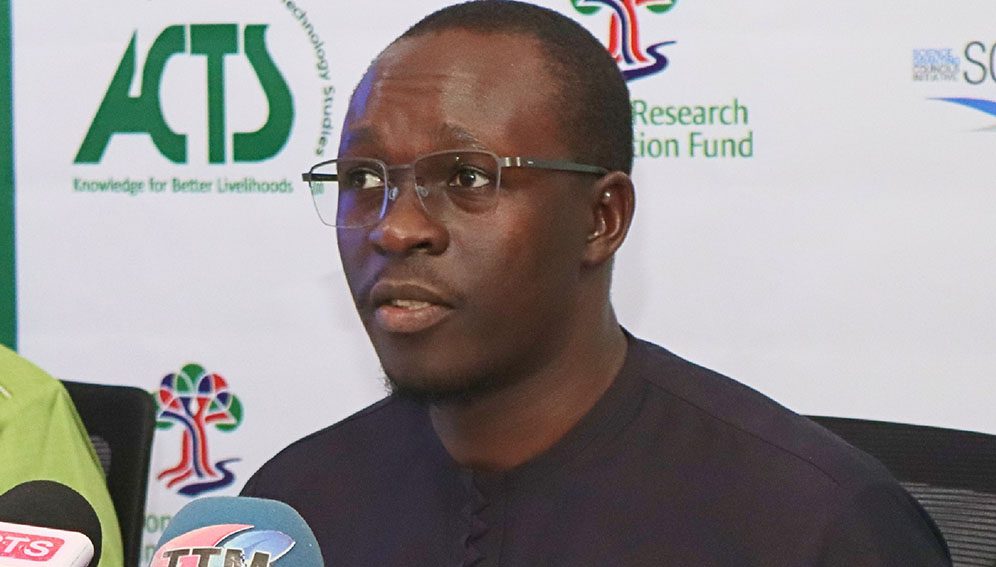
Research funding alone cannot fix a research system without investment in people, systems and institutions; this was the central message driving a three-day capacity-strengthening workshop held in The Gambia. The workshop, held from 4–6 August, was organised by the National Research and Innovation Fund (NRIF) in collaboration with the African Centre for Technology Studies (ACTS),…
Read MoreSTISA-2034: Multi-country research partnerships for greater impact
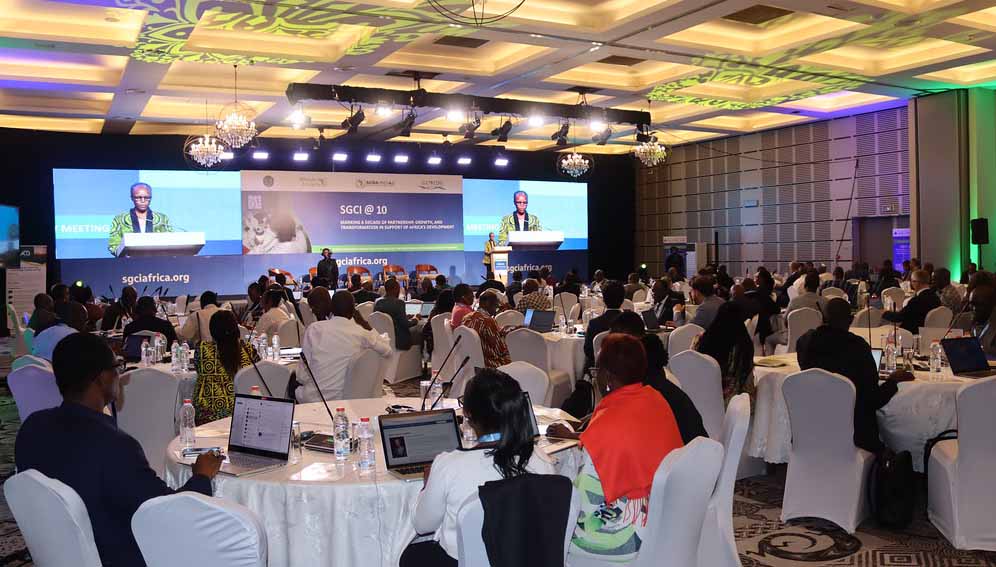
Africa’s development challenges, from climate resilience to health system strengthening to inclusive digital transformation, rarely stop at national borders. Many of the issues facing communities across the continent require evidence, expertise and solutions that can be developed and tested across different contexts. This is why multi-country research partnerships are at the heart of the Science…
Read MoreGhana’s research lead wins continental recognition
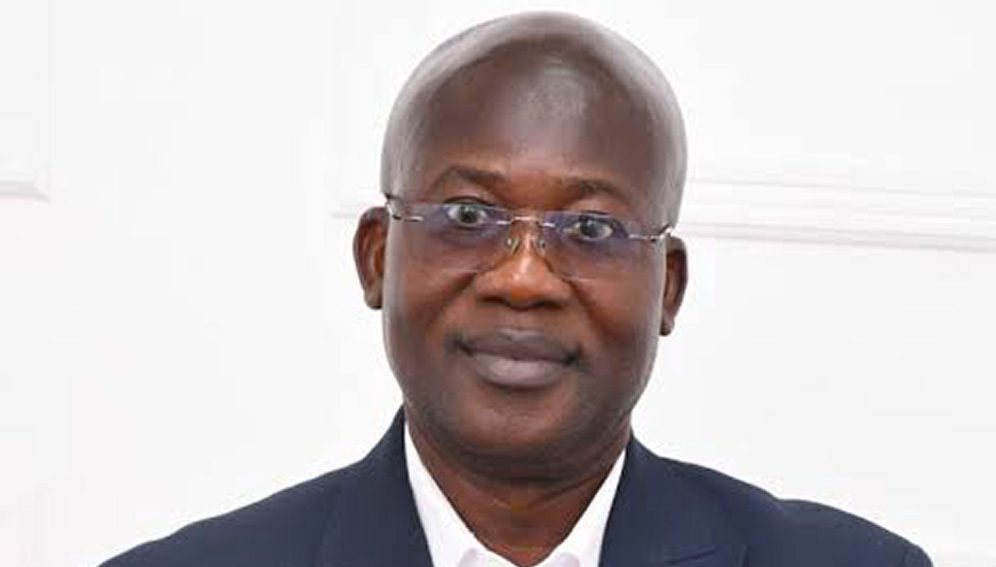
Eric Danquah, Chairman of the Ghana National Research Fund’s (GNRF) Governing Board, has been elected a Fellow of the Liberia Academy of Sciences (LAS), a distinction recognising his contributions to plant genetics, crop improvement, and agricultural research across Africa. His work has shaped institutions, trained generations of plant breeders, and strengthened the continent’s capacity to…
Read More