SGCI News
Africa’s development challenges, from climate resilience to health system strengthening to inclusive digital transformation, rarely stop at national borders. Many of the issues facing communities across the continent require evidence,…
Africa’s development challenges, from climate resilience to health system strengthening to inclusive digital transformation, rarely stop at national borders. Many of the issues facing communities across the continent require evidence, expertise and solutions that can be developed and tested across different contexts.
This is why multi-country research partnerships are at the heart of the Science Granting Councils Initiative SGCI–STISA 2034 Multilateral Research Call.
The competitive call supports Africa-led research and innovation aligned with the priorities of the African Union’s Science, Technology and Innovation Strategy for Africa (STISA 2034). A defining feature of the opportunity is its consortium approach, which requires eligible applicants to build or join research teams that involve institutions from multiple African countries.
Why research across borders matters
A research question that appears similar in two countries may have very different causes, impacts or potential solutions. Working across countries allows researchers to compare contexts, generate broader evidence and identify approaches that can be adapted to different communities and systems.
For example, research into climate adaptation may benefit from evidence gathered in countries experiencing different environmental conditions. Research on food systems can bring together expertise from different agricultural environments and value chains. Similarly, health research can draw on experiences from different health systems and populations.
Multi-country research therefore moves beyond asking, “What works here?” to exploring what can work across different African contexts, why it works and how solutions can be adapted or scaled.
The SGCI–STISA 2034 Call is designed around this principle. It supports multi-country collaborations across at least three African countries for a three-year duration, with research expected to contribute to inclusive, Africa-led science and innovation.
What is a research consortium?
A consortium is more than a group of researchers working on the same project. It brings together institutions with complementary expertise, resources, knowledge and perspectives around a shared research objective.
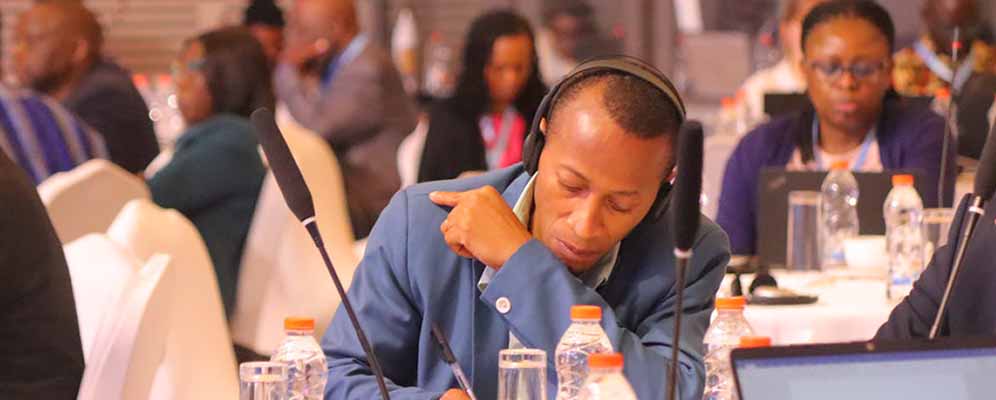
Under the Call, the consortium model involves three to five institutions from three different SGCI countries. The opportunity is aimed at African universities, public research organisations and government research institutions, as well as interdisciplinary teams with the capacity to manage funding and deliver impact at scale.
This structure encourages researchers to think strategically about who needs to be part of a project from the outset.
One institution may contribute specialist scientific expertise. Another may provide access to data, communities or research environments. A third may bring policy knowledge or experience translating evidence into practice. By combining these strengths, the consortium can develop a research programme stronger than what any single institution could achieve independently.
Complementary expertise can strengthen research
One of the major advantages of a consortium is the opportunity to bring together different forms of expertise.
A project examining water security, for instance, may require expertise in environmental science, engineering, public health, data analysis and policy. A project focused on artificial intelligence may need researchers with technical expertise alongside specialists who understand the social, economic or policy context in which a technology will be used.
The SGCI–STISA 2034 Call encourages interdisciplinary and policy-relevant research, making complementary expertise an important part of building a strong partnership.
The consortium approach can also help researchers learn from one another, strengthen institutional connections and build relationships that continue beyond an individual research project.
From local evidence to continental relevance
Multi-country research can also increase the relevance of research findings to policy and development.
Research conducted in one location can provide valuable insights, but evidence generated across several countries can reveal whether an intervention, technology or policy approach is applicable in different settings. It can also highlight where solutions need to be adapted to reflect local circumstances.
This matters for the STISA 2034 vision, which seeks to use science, technology and innovation to support Africa’s sustainable development and socio-economic transformation.
The SGCI Call places strong emphasis on connecting research with policy and development impact. It seeks evidence that can contribute to inclusive, Africa-led science and innovation systems, particularly for vulnerable and underserved populations.
Building stronger African research connections
The value of the consortium model extends beyond the immediate research question.
When institutions collaborate across countries, they can strengthen connections between African research systems, create opportunities to share knowledge and develop experience in managing collaborative research.
The Call also highlights the leadership role of African Science Granting Councils in shaping science and innovation systems. In this sense, multi-country partnerships are a mechanism for delivering individual research projects and also contribute to stronger and more connected research ecosystems across the continent.
Finding the right partners
For researchers interested in the Call, one of the practical challenges may be finding institutions with complementary interests in other eligible countries.
The STISA-2034 Research Matchmaking tool has been developed to help address this challenge. Researchers and institutions can use the platform to learn more about the Call, explore participating countries, and identify potential collaborators. It is specifically intended to support applicants who are looking to build or join a multi-country consortium.
Researchers should therefore consider partnership-building as an early part of the application process rather than waiting until the final stages to identify collaborators.
A strong consortium should bring together partners whose roles are clear, whose expertise complements one another and whose participation strengthens the overall research question and potential impact.
A partnership model for Africa’s shared priorities
The SGCI–STISA 2034 Multilateral Research Call recognises that Africa’s research priorities are interconnected. Its five priority areas- health, agriculture and food systems, artificial intelligence and digital technologies, energy, and environment and climate resilience reflect challenges where knowledge and solutions can benefit from collaboration across borders.
For researchers, it is an opportunity to build partnerships that can generate broader evidence, combine African expertise, and contribute to solutions with relevance beyond a single country.
The Call is supported through a partnership of African Science Granting Councils, the International Development Research Centre (IDRC), the Government of Norway, the UK’s Foreign, Commonwealth & Development Office (FCDO), and Wellcome.
Expressions of interest for the SGCI–STISA 2034 Multilateral Research Call must be submitted by September 25, 2026, at 23:59 EDT.
Researchers and institutions can explore the call requirements, access the matchmaking resources, and reach the application portal through the official landing page: https://call.sgci.africa/.
Please check out the stories and let us know what you think. We would love to hear from you!
Let’s continue the conversation on our social media
Published on 17 August 2026By Jackie Opara-Fatoye
Related News
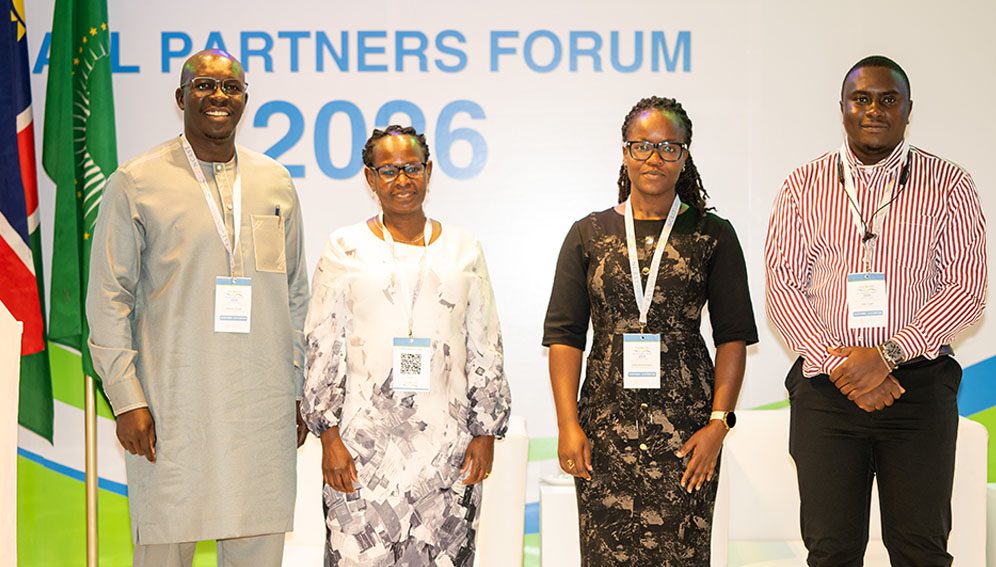
Voices from the SGCI Forum: Building an African-led science system
From calls for African-led research funding to stronger engagement with communities and governments, participants at the 2026 Science Granting Councils Initiative (SGCI) All Partners Forum left Windhoek with a shared sense that Africa’s science and innovation systems are entering a new phase. Held from 28…
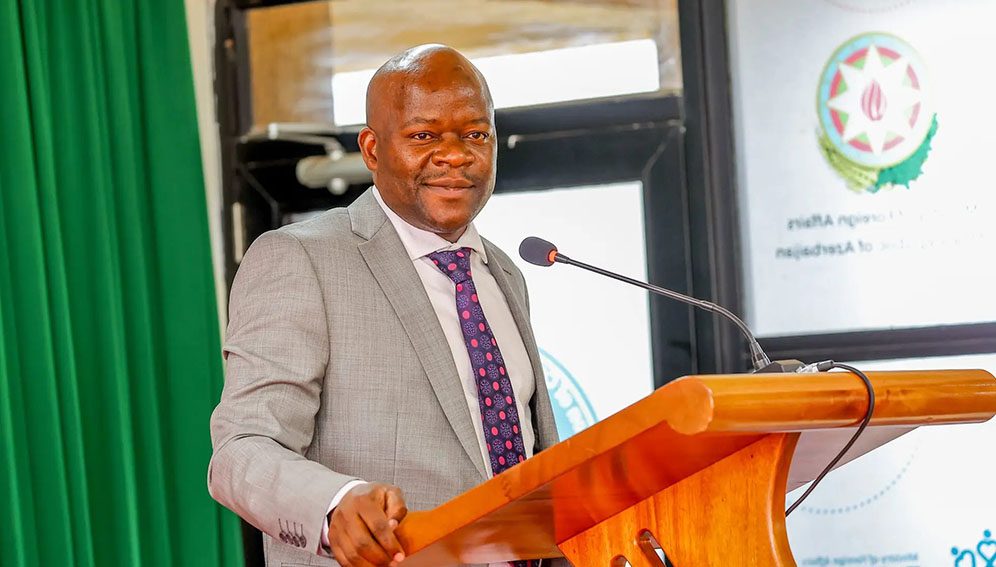
NRF champions science, climate action and youth empowerment
Kenya’s National Research Fund (NRF) is strengthening efforts to connect scientific research, innovation and youth participation with practical responses to climate and environmental challenges. NRF chief executive officer Dickson Andala represented the fund at the launch of the Climate Policy and Advocacy Training – Cohort…
Windhoek Declaration: African science funders pledge to act as one
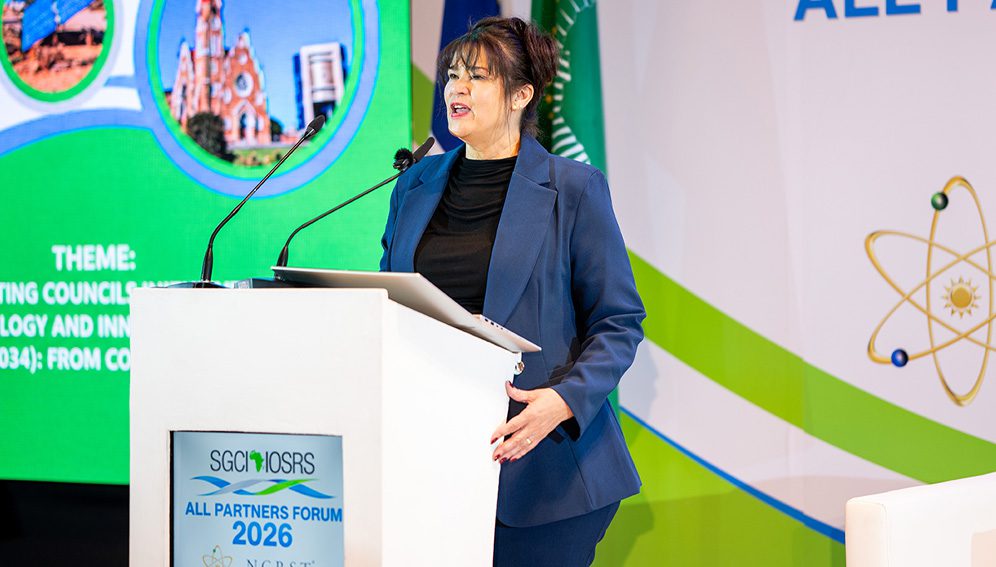
Science granting councils say Africa’s research systems need African ownership, steadier funding and less fragmentation. Here is what they agreed in Windhoek. African science granting councils adopted a collective declaration in Windhoek, Namibia, on 1 October 2026, as part of the Science Granting Councils Initiative…


SGCI funded projects
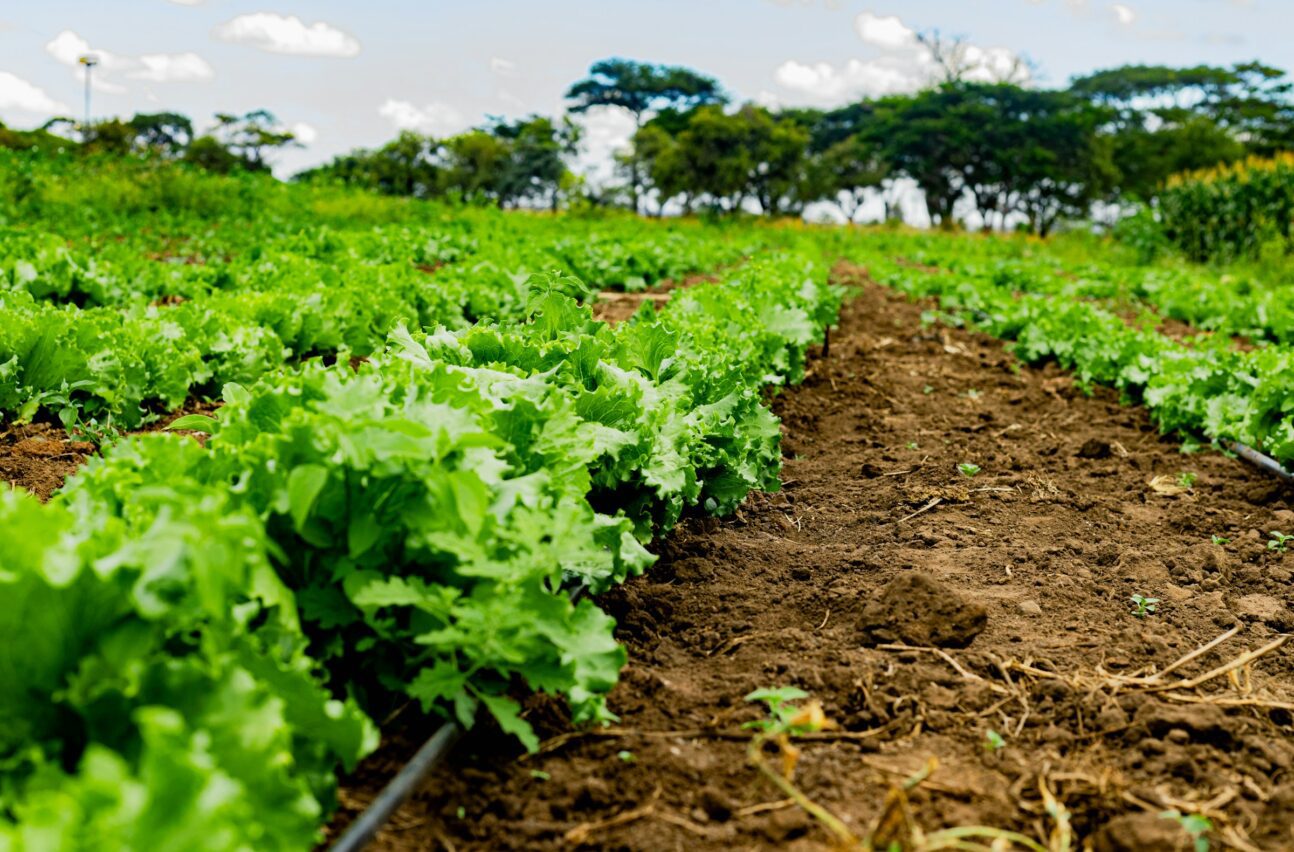
Rwanda’s integrated approach to sustainable agriculture and nutrition
Project Titles & Institution Areas of Research Number of Projects being funded Project Duration Grant Amount In-Kind Distribution Council Collaboration with other councils