
SGCI News
Africa stands at a defining moment. The African Union’s Science, Technology and Innovation Strategy for Africa 2034 (STISA 2034) sets out a bold vision for socio-economic transformation through science, technology…
Africa stands at a defining moment. The African Union’s Science, Technology and Innovation Strategy for Africa 2034 (STISA 2034) sets out a bold vision for socio-economic transformation through science, technology and innovation (STI), and Africa’s Science Granting Councils (SGCs), supported by the Science Granting Councils Initiative (SGCI), are central to turning that vision into action.
The strategy provides a continental framework to tackle Africa’s development challenges, strengthen national STI systems, and advance coordinated action across the continent. As the institutions that fund and shape national research agendas, SGCs are uniquely placed to align country-level priorities with this continental ambition.
Learning from STISA-2024
STISA 2034 builds on lessons from STISA 2024. While many African countries adopted national STI policies and regional collaboration strengthened over the past decade, limited stakeholder engagement, weak monitoring mechanisms, and constrained funding slowed progress. STISA 2034 seeks to address these challenges through stronger governance, greater institutional capacity, improved coordination and more effective implementation.
From national funders to continental partners
Traditionally focused on national research funding, SGCs are increasingly positioned to shape Africa’s wider innovation ecosystem by aligning national priorities with continental objectives. Through the Science Granting Councils Initiative (SGCI), councils are strengthening their capacity to support evidence-based decision-making, mobilise resources and promote systemic change across Africa.
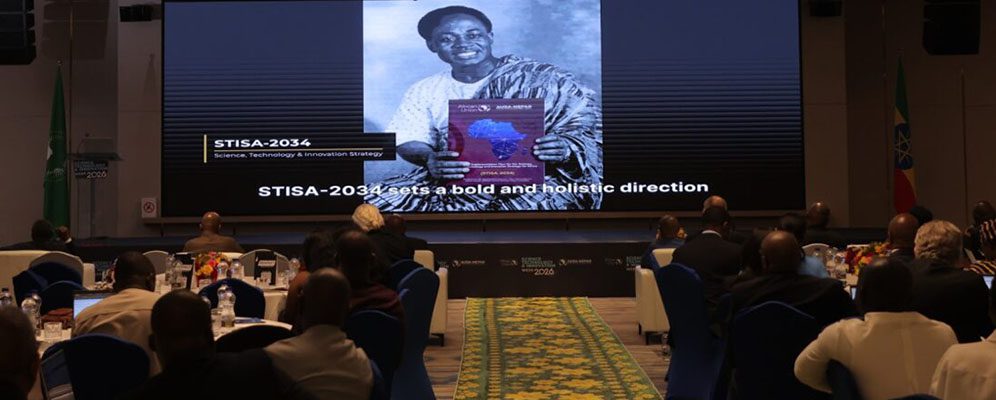
The strategy places strong emphasis on moving from policy to implementation. This requires clear implementation plans, strengthened monitoring and evaluation, alignment between national and continental STI policies, and sustained resource mobilisation. It also calls for inclusive stakeholder engagement involving governments, academia, the private sector and civil society to ensure broad ownership of the strategy and its outcomes.
The SGCI Alliance: a council-led coordination mechanism
A key development in this effort is the SGCI Alliance, a new council-led governance and coordination platform launched as part of SGCI-3 (2026–2030). Bringing together participating councils from 20 Sub-Saharan African countries, the Alliance marks a deliberate shift toward African ownership, with councils themselves leading decision-making, shaping research agendas and forging strategic partnerships.
By giving councils direct control over the SGCI’s direction, the Alliance is designed to help translate STISA 2034’s continental priorities into tangible action and measurable impact at the national level, ensuring the strategy becomes more than a policy framework.
Mobilising resources for research
Resource mobilisation remains a key priority. Science Granting Councils are committed to advocating for greater domestic investment in research and development, promoting innovative financing models, supporting public-private partnerships, and demonstrating the impact of research and innovation. These efforts aim to strengthen national STI systems while ensuring that research delivers practical benefits for communities.
Knowledge, collaboration, and capacity
Knowledge translation, regional collaboration and capacity strengthening are also at the heart of STISA 2034. By supporting knowledge exchange, strengthening grant management, promoting gender inclusion, and building institutional capacity, SGCI is supporting councils in translating research into policy and practice. Flagship multi-country research initiatives and stronger regional partnerships will further advance collaboration in areas that support Africa’s development priorities.
Equity and inclusion
Equity and inclusion underpin the strategy. Advancing gender equity, youth engagement and the participation of diverse groups will help create stronger research systems and a more representative STI workforce across Africa.
STISA 2034 provides an opportunity to align national action with continental ambition. Through stronger policies, coordinated implementation, sustainable financing and collaborative partnerships, Africa’s Science Granting Councils are helping to build resilient STI systems that can drive innovation, strengthen development and deliver lasting socio-economic transformation across the continent.
Please check out the stories and let us know what you think. We would love to hear from you!
Let’s continue the conversation on our social media
Published on 01 July 2026
By Jackie Opara-Fatoye
Related News
NRF champions science, climate action and youth empowerment
Kenya’s National Research Fund (NRF) is strengthening efforts to connect scientific research, innovation and youth participation with practical responses to climate and environmental challenges. NRF chief executive officer Dickson Andala represented the fund at the launch of the Climate Policy and Advocacy Training – Cohort…
Windhoek Declaration: African science funders pledge to act as one
Science granting councils say Africa’s research systems need African ownership, steadier funding and less fragmentation. Here is what they agreed in Windhoek. African science granting councils adopted a collective declaration in Windhoek, Namibia, on 1 October 2026, as part of the Science Granting Councils Initiative…
Africa’s science councils urged to turn pledges into real impact
[NAMIBIA] African countries must strengthen collaboration, invest in research and scientists, and take greater ownership of science, technology and innovation if research is to deliver lasting development impact, participants at the 2026 Science Granting Councils Initiative (SGCI) All Partners Forum have said. The call came…
Research and Resources

SGCI funded projects
Rwanda’s integrated approach to sustainable agriculture and nutrition
Project Titles & Institution Areas of Research Number of Projects being funded Project Duration Grant Amount In-Kind Distribution Council Collaboration with other councils