SGCI News
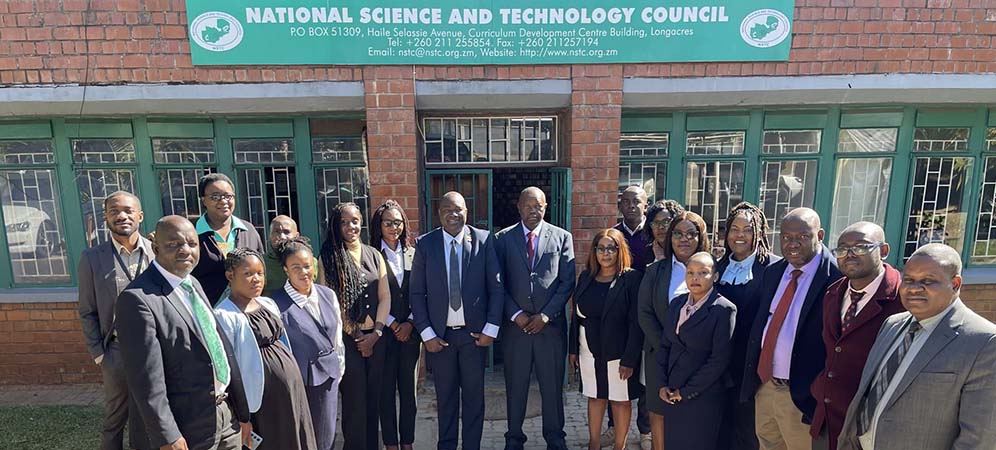
The National Science and Technology Council (NSTC) of Zambia has announced that more than K21.3 million has been disbursed through the National Research Fund between 2020 and 2026, supporting 30…
The National Science and Technology Council (NSTC) of Zambia has announced that more than K21.3 million has been disbursed through the National Research Fund between 2020 and 2026, supporting 30 research projects and the development of 45 students as part of the country’s efforts to strengthen scientific research, technological innovation and entrepreneurship.
The announcement made on 3 July comes under the leadership of Michelo Syakalima, who was appointed Executive Secretary of the Council in May 2025, succeeding acting executive secretary Guest Mugala. His appointment marks a new chapter for the Council as it continues advancing Zambia’s science, technology, and innovation agenda.
Syakalima said the funded projects span priority sectors including agriculture, health, and mining value addition.
Among the innovations supported are the development of insect protein feed at Copperbelt University and long-term COVID-19 research at Levy Mwanawasa Medical University, demonstrating how research investments are addressing national development challenges while building scientific capacity.
The investment demonstrates the Council’s continued commitment to supporting research that addresses Zambia’s development priorities. It also aligns with the Council’s broader work to strengthen the country’s research and innovation ecosystem through strategic partnerships.

As an active member of the Science Granting Councils Initiative (SGCI) since the initiative was established in 2015, NSTC has strengthened its capacity to manage competitive research funding and foster collaboration across the region. With support from SGCI, the Council has implemented research calls focused on sustainable agriculture, energy, climate-smart technologies and mining value addition, all aligned with Zambia’s Eighth National Development Plan.
The Council has also participated in regional partnerships that demonstrate the value of African-led collaboration.
One example is its joint implementation of a multi-country research project with Namibia’s National Commission on Research, Science and Technology and Mozambique’s National Research Fund, helping strengthen regional research networks and knowledge exchange.
As SGCI continues to promote collaborative research across the continent, researchers and eligible institutions can now participate in the SGCI-STISA 2034 Multilateral Research Call, which seeks to build on this momentum by supporting Africa-led, multi-country research consortia working across health, agriculture and food systems, artificial intelligence and digital technologies, energy, and environment and climate resilience.
The Call is supported through a partnership of African Science Granting Councils, the International Development Research Centre (IDRC), the Government of Norway, the UK’s Foreign, Commonwealth & Development Office (FCDO), and Wellcome.
Researchers and eligible institutions are invited to explore the call, identify potential consortium partners and submit expressions of interest before the deadline of 25 September 2026 (23:59 EDT).
Learn more about the call, access the Research Matchmaking platform, and begin your application at https://call.sgci.africa/
Please check out the stories and let us know what you think. We would love to hear from you!
Let’s continue the conversation on our social media
Published on 10 July 2026
Written by: Jackie Opara-Fatoye
Related News
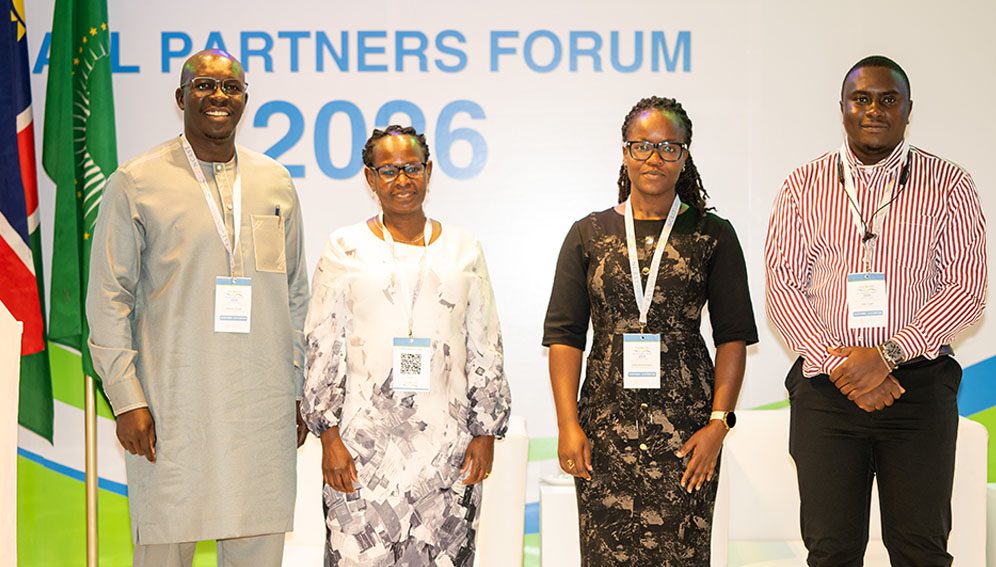
Voices from the SGCI Forum: Building an African-led science system
From calls for African-led research funding to stronger engagement with communities and governments, participants at the 2026 Science Granting Councils Initiative (SGCI) All Partners Forum left Windhoek with a shared sense that Africa’s science and innovation systems are entering a new phase. Held from 28…
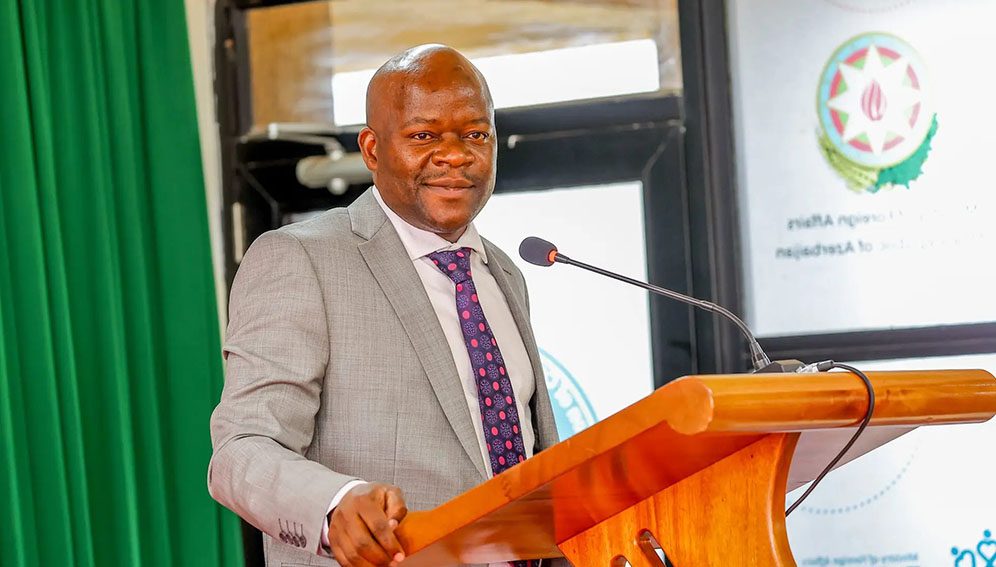
NRF champions science, climate action and youth empowerment
Kenya’s National Research Fund (NRF) is strengthening efforts to connect scientific research, innovation and youth participation with practical responses to climate and environmental challenges. NRF chief executive officer Dickson Andala represented the fund at the launch of the Climate Policy and Advocacy Training – Cohort…
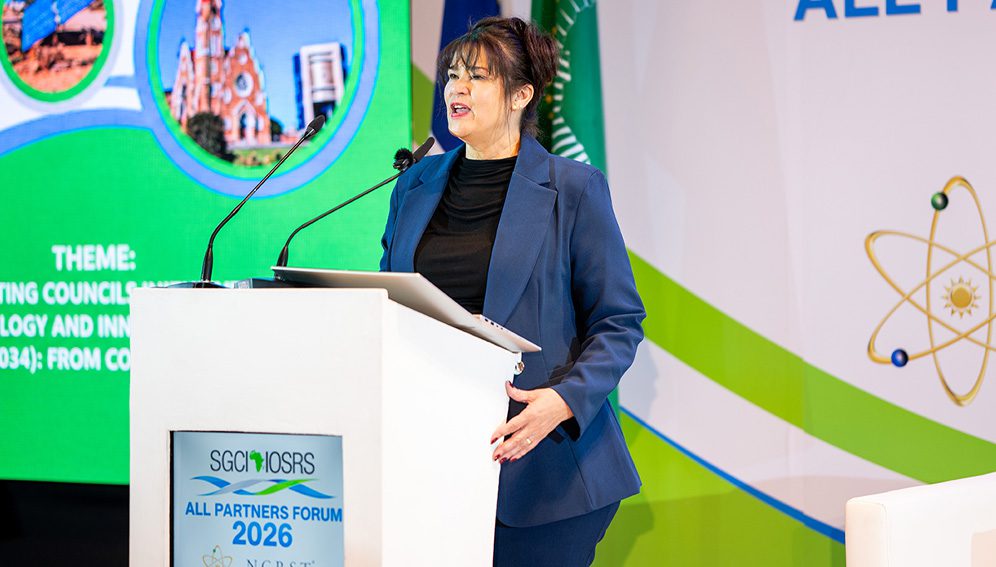
Windhoek Declaration: African science funders pledge to act as one
Science granting councils say Africa’s research systems need African ownership, steadier funding and less fragmentation. Here is what they agreed in Windhoek. African science granting councils adopted a collective declaration in Windhoek, Namibia, on 1 October 2026, as part of the Science Granting Councils Initiative…


SGCI funded projects
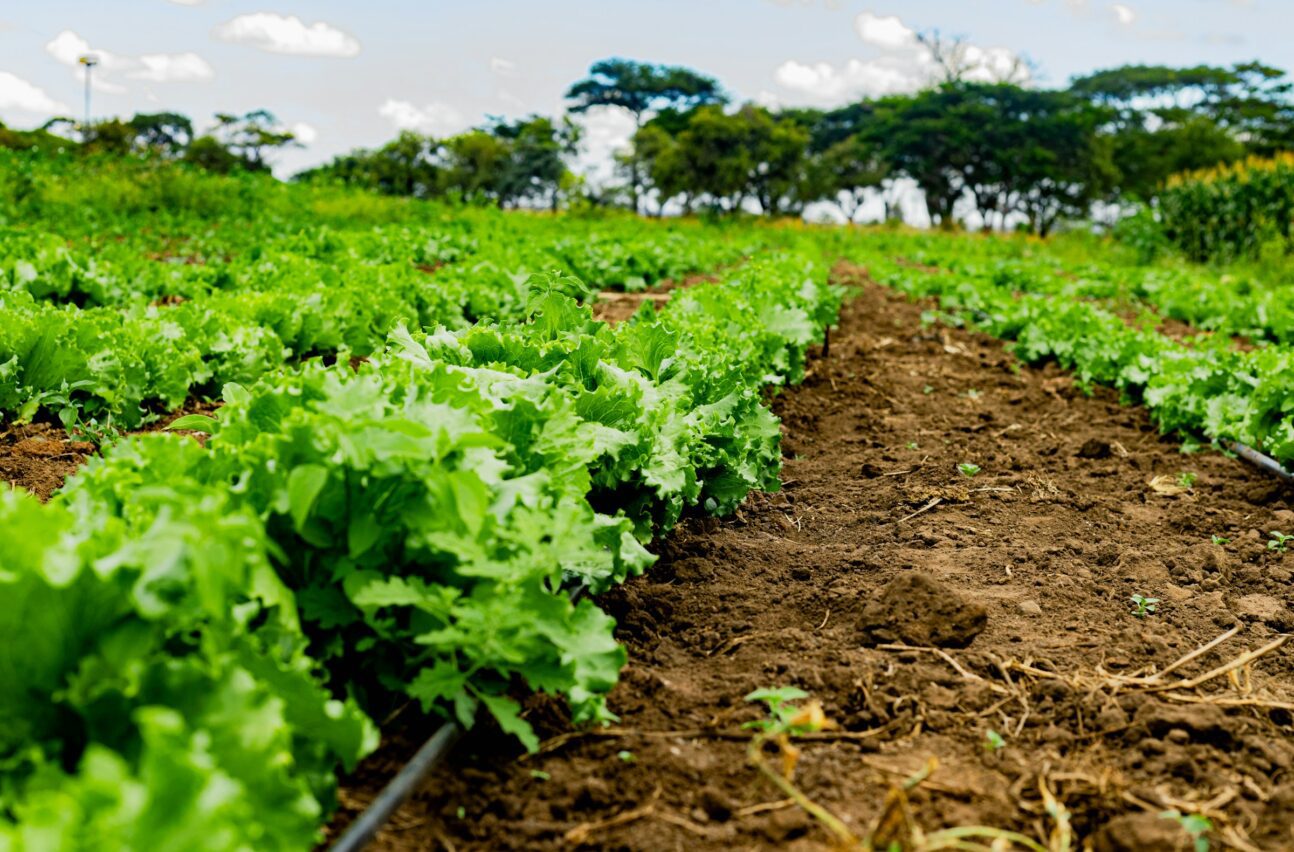
Rwanda’s integrated approach to sustainable agriculture and nutrition
Project Titles & Institution Areas of Research Number of Projects being funded Project Duration Grant Amount In-Kind Distribution Council Collaboration with other councils