Posts by Davis Weddi
Voices from the SGCI Forum: Building an African-led science system
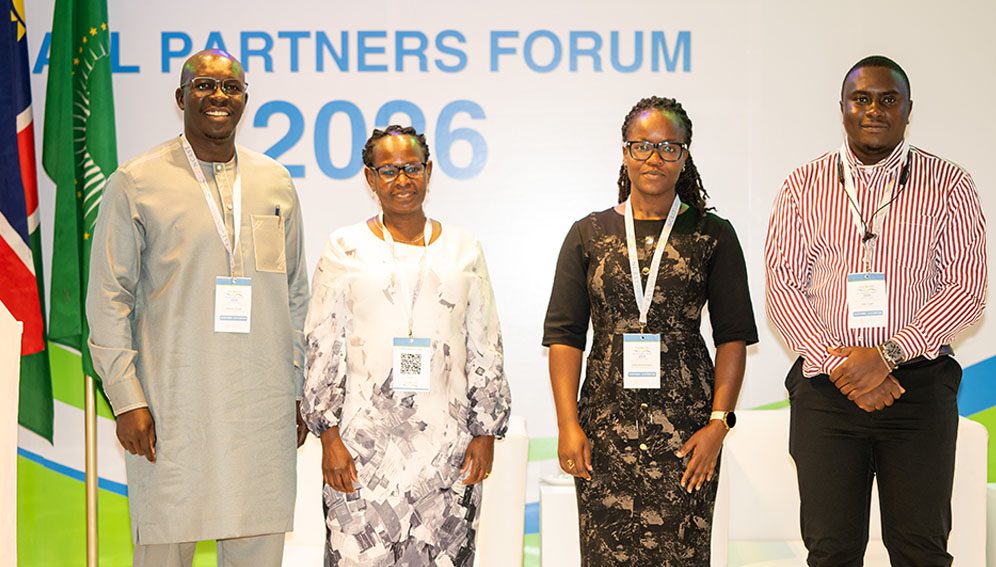
From calls for African-led research funding to stronger engagement with communities and governments, participants at the 2026 Science Granting Councils Initiative (SGCI) All Partners Forum left Windhoek with a shared sense that Africa’s science and innovation systems are entering a new phase. Held from 28 September to 2 October, the Forum brought together science granting…
Read MoreNRF champions science, climate action and youth empowerment
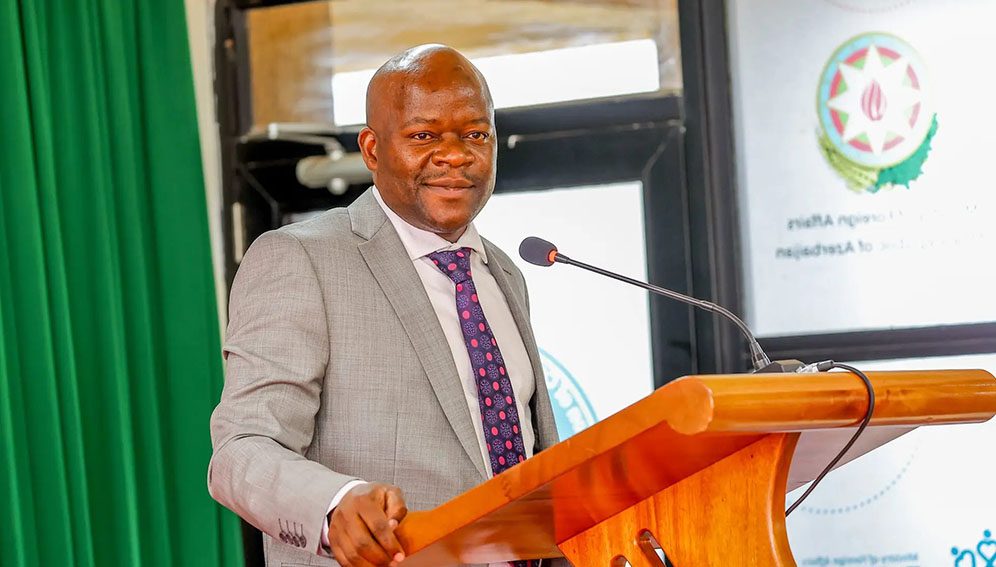
Kenya’s National Research Fund (NRF) is strengthening efforts to connect scientific research, innovation and youth participation with practical responses to climate and environmental challenges. NRF chief executive officer Dickson Andala represented the fund at the launch of the Climate Policy and Advocacy Training – Cohort I, hosted by AfriYouth Care Group at the Kenya Institute…
Read MoreWindhoek Declaration: African science funders pledge to act as one
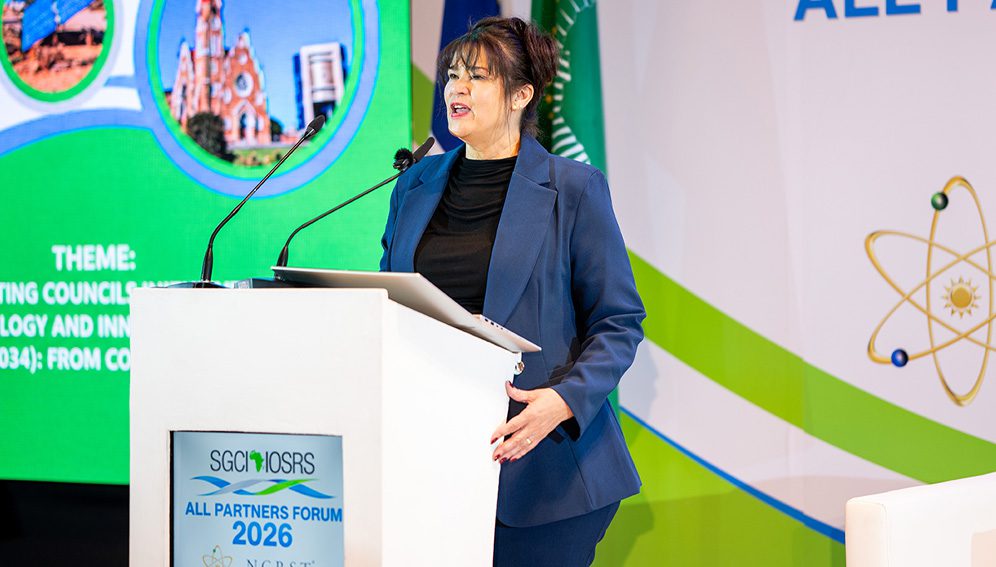
Science granting councils say Africa’s research systems need African ownership, steadier funding and less fragmentation. Here is what they agreed in Windhoek. African science granting councils adopted a collective declaration in Windhoek, Namibia, on 1 October 2026, as part of the Science Granting Councils Initiative (SGCI) All Partners Forum 2026. It sets out how the…
Read MoreAfrica’s science councils urged to turn pledges into real impact
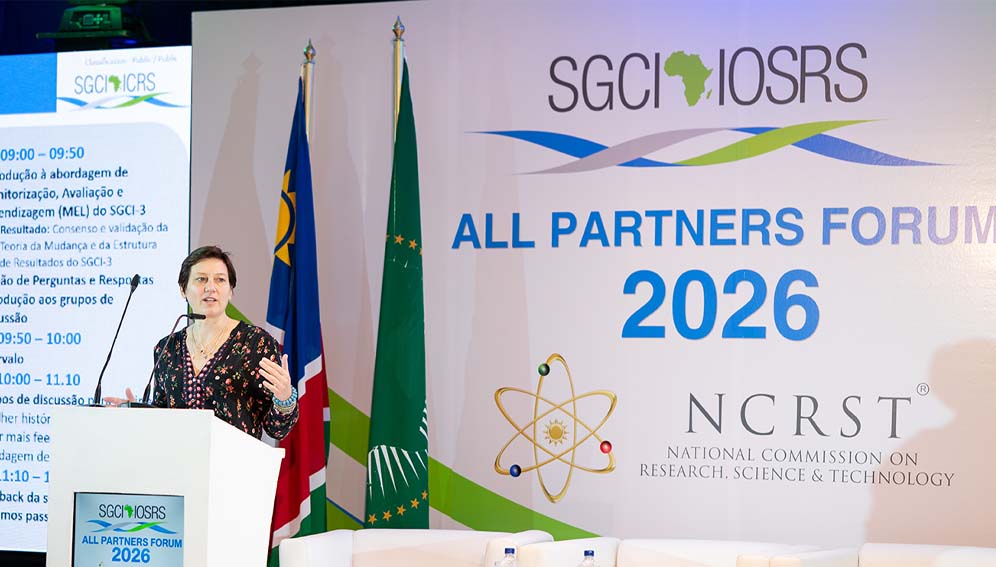
[NAMIBIA] African countries must strengthen collaboration, invest in research and scientists, and take greater ownership of science, technology and innovation if research is to deliver lasting development impact, participants at the 2026 Science Granting Councils Initiative (SGCI) All Partners Forum have said. The call came during the final two days of the Forum in Windhoek,…
Read MoreCouncils urged to take ownership of SGCI-3 as forum turns to systems
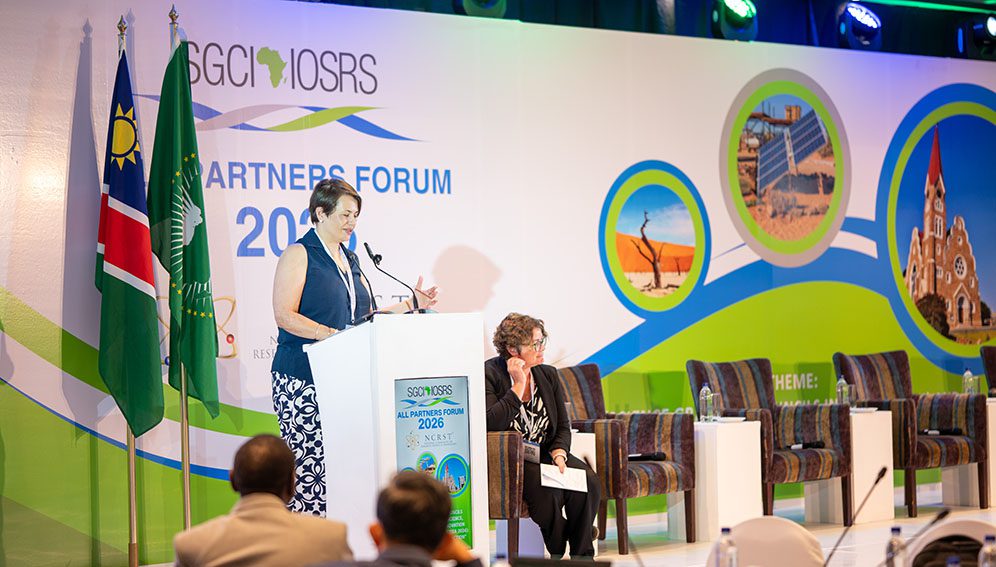
[NAMIBIA]Science Granting Councils have been urged to take greater ownership of the third phase of the Science Granting Councils Initiative (SGCI-3), as partners turned their attention to the institutional systems and partnerships needed to translate the initiative’s ambitions into results. The call came during Day 2 [Technical Day] of the SGCI All Partners Forum 2026…
Read MoreSGCI All Partners Forum highlights Africa’s research funding needs
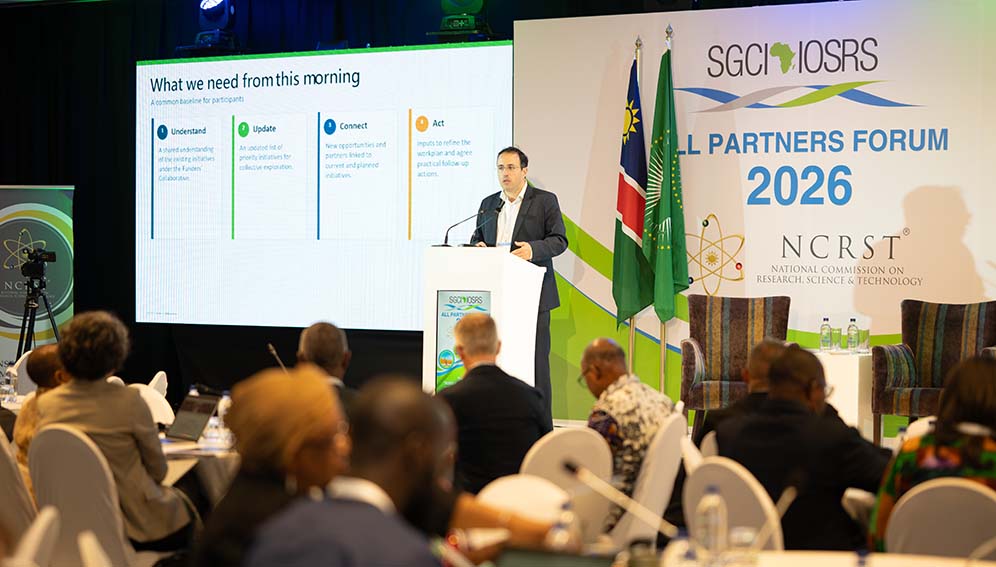
[NAMIBIA] African science granting councils are examining their reliance on international research funding as a new dashboard reveals the flow of science, technology and innovation (STI) funding into Africa. More than 170 delegates from across the world are attending the 2026 Science Granting Councils Initiative (SGCI) All Partners Forum, which opened in Windhoek, Namibia, on…
Read MoreNamibia’s role in advancing Africa’s science, technology, and innovation agenda
](https://sgciafrica.org/wp-content/uploads/2026/09/Windhoek.jpg)
From commitment to action – Namibia and the SGCI All Partners Forum 2026 Namibia is an important player in African research, and from 28 September to 2 October 2026, the country will host the Science Granting Councils Initiative’s (SGCI) All Partners Forum in Windhoek. With its experience of developing a national research and innovation system,…
Read MoreAs STISA-2034 call closes, Africa’s research councils look ahead
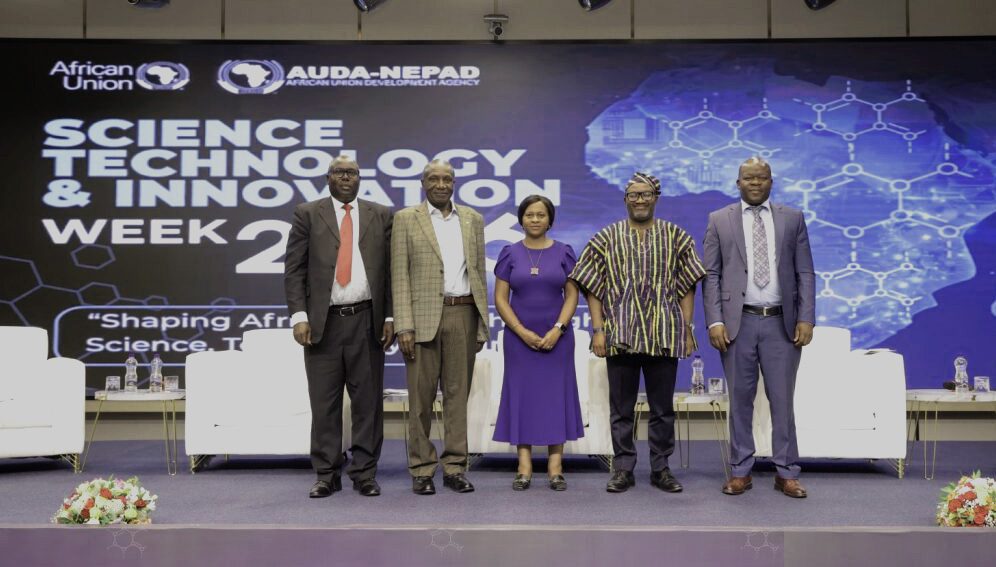
With the deadline for the SGCI/STISA-2034 Multilateral Call approaching on 25 September, research institutions and consortia that have not yet submitted their expressions of interest have until the end of the day to do so. The Call seeks collaborative research approaches to some of Africa’s pressing development priorities, with opportunities spanning health, agriculture, artificial intelligence,…
Read MoreNamibia project uses household data, smart meters to rethink water
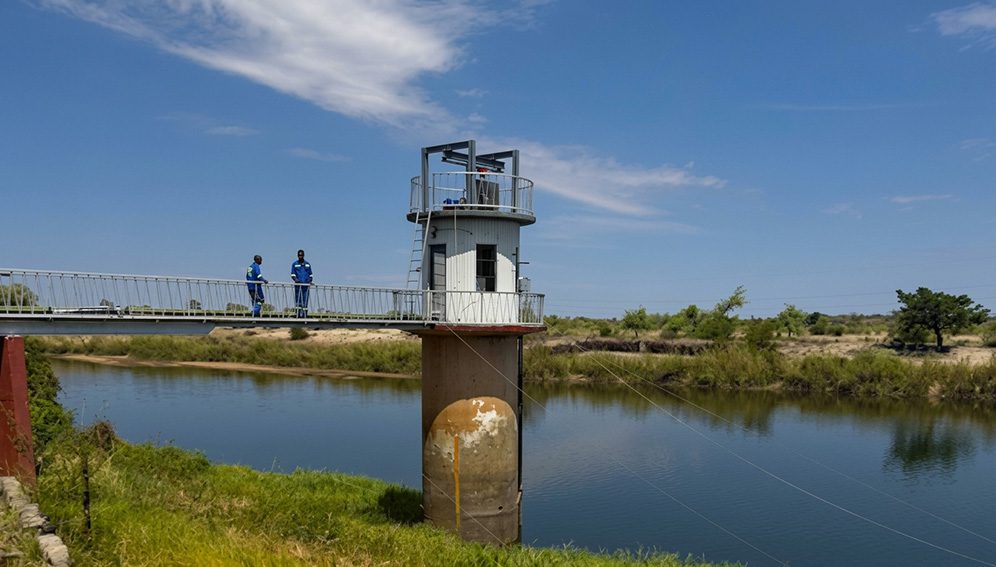
In Namibia, having water nearby does not always mean having reliable water at home. In Rundu, a growing urban centre on the perennial Okavango River, households reported the highest level of water insecurity among three towns studied by researchers. The finding illustrates a wider challenge facing Namibia’s urban water systems, namely that improving water security…
Read MoreFrom commitment to action: why the 2026 All Partners Forum matters
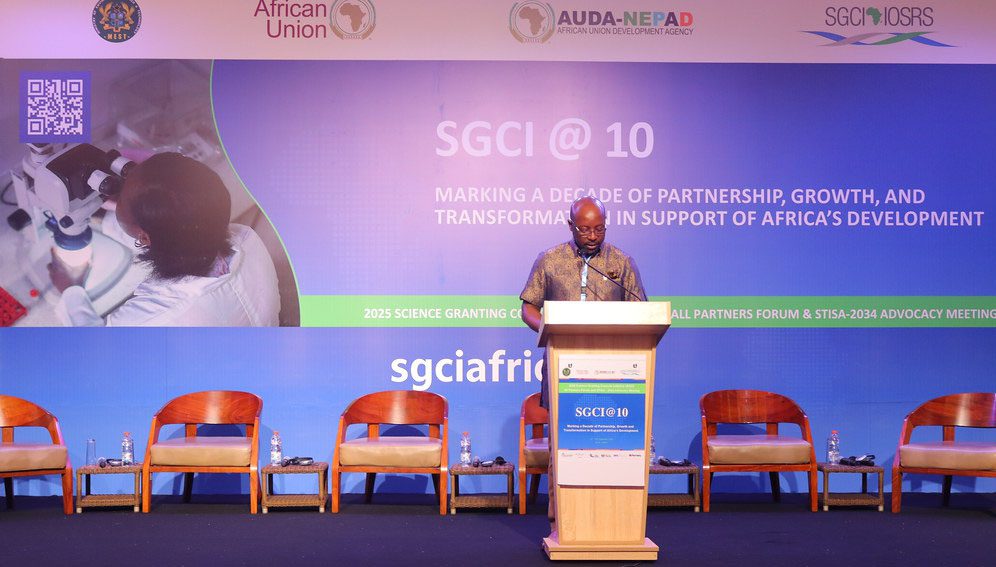
When partners gather in Windhoek, Namibia, for the 2026 Science Granting Councils Initiative (SGCI) All Partners Forum, they will meet at an important point in the evolution of Africa’s science, technology and innovation landscape. The Forum will be held from 28 September to 1 October 2026. The Forum comes less than a year after Science…
Read More