SGCI News
Eric Danquah, Chairman of the Ghana National Research Fund’s (GNRF) Governing Board, has been elected a Fellow of the Liberia Academy of Sciences (LAS), a distinction recognising his contributions to…
Eric Danquah, Chairman of the Ghana National Research Fund’s (GNRF) Governing Board, has been elected a Fellow of the Liberia Academy of Sciences (LAS), a distinction recognising his contributions to plant genetics, crop improvement, and agricultural research across Africa. His work has shaped institutions, trained generations of plant breeders, and strengthened the continent’s capacity to address food security challenges.
The honour comes weeks after Ghana formally launched the GNRF on 16 June, when President John Dramani Mahama unveiled a fund backed by GHS 100 million in fresh capital, on top of an earlier GHS 50 million in seed funding, for the 2026 grant cycle.
Mahama named food security and climate-smart agriculture technologies among the Fund’s priority research areas, a direct line to the kind of crop science and plant breeding work that has defined Danquah’s career.
For Ghanaian researchers, the Fund also marks a shift in who sets the country’s research agenda. As University of Ghana’s director of research and innovation, Doodoo Arhin, noted at the launch, more than 70 per cent of research conducted in the country is currently externally funded, making domestic vehicles like the GNRF central to research that answers Ghana’s own priorities.
That same push for homegrown, continentally-owned research financing runs through the SGCI-STISA-2034 Multilateral Research Call.
As Chairman of the GNRF Governing Board, Danquah’s decades of work in collaborative agricultural research reflects the spirit of the STISA-2034 agenda, which seeks to harness science, technology and innovation to accelerate Africa’s sustainable development.
The Call invites multidisciplinary, multi-country research consortia to develop solutions in five priority areas: agriculture, health, energy, environment, and artificial intelligence and digital technologies.
The Call is supported through a partnership of African Science Granting Councils, the International Development Research Centre (IDRC), the Government of Norway, the UK’s Foreign, Commonwealth & Development Office (FCDO), and Wellcome.
Researchers and eligible institutions are invited to explore the call, identify potential consortium partners, and submit expressions of interest before the deadline of 25 September 2026 (23:59 EDT).
Learn more about the call, access the Research Matchmaking platform, and begin your application at https://call.sgci.africa/
Please check out the stories and let us know what you think. We would love to hear from you!
Let’s continue the conversation on our social media
Published on 12 August 2026By Jackie Opara-Fatoye
Related News
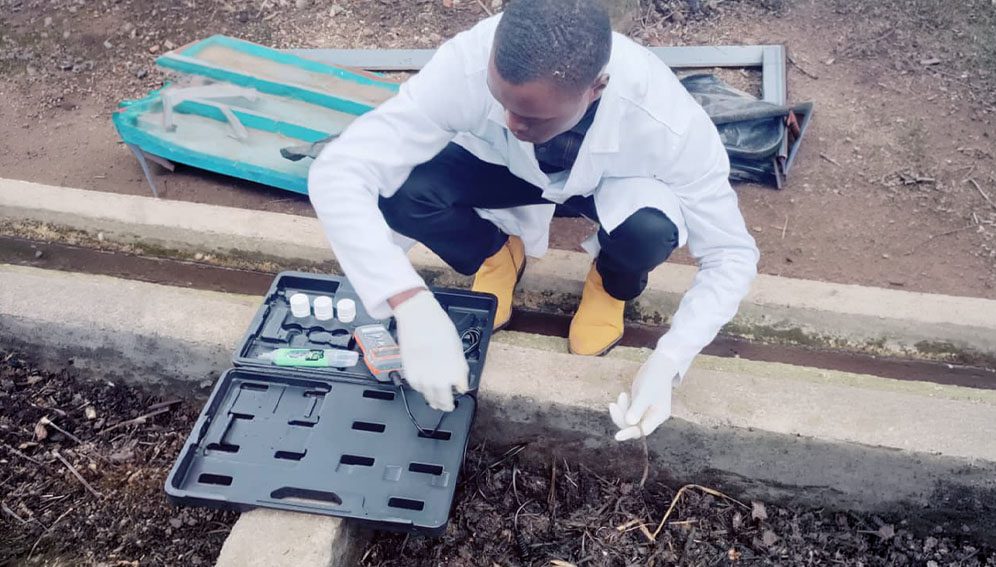
Can Rwanda’s farm waste help restore its depleted soils?
Locally developed vermicompost and biochar show promise for improving crop yields and soil health, but researchers say further testing is needed before wider adoption. The vermicompost process uses tiger worms to break down prepared organic materials into a dark, crumb-like product, while the biochar is…
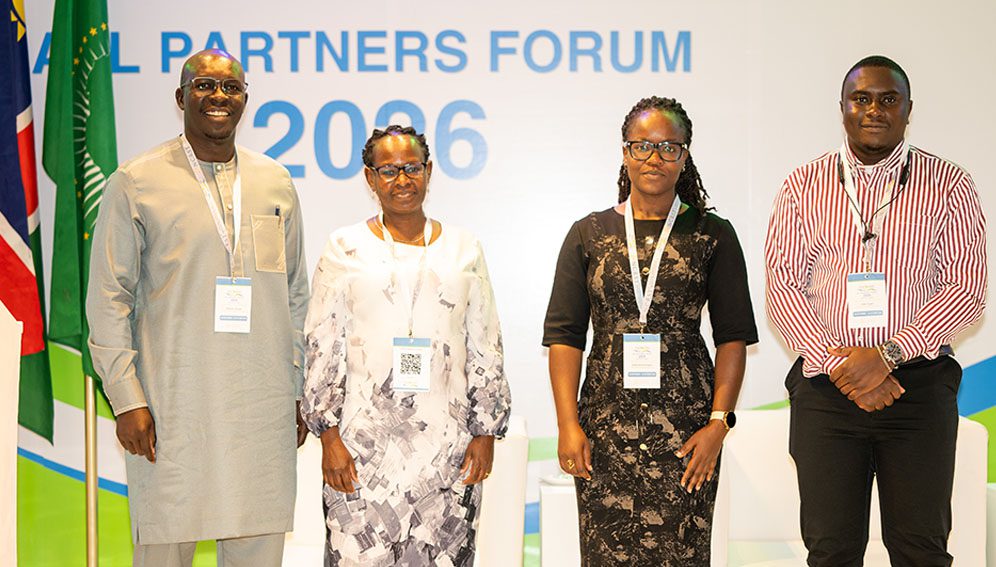
Voices from the SGCI Forum: Building an African-led science system
From calls for African-led research funding to stronger engagement with communities and governments, participants at the 2026 Science Granting Councils Initiative (SGCI) All Partners Forum left Windhoek with a shared sense that Africa’s science and innovation systems are entering a new phase. Held from 28…
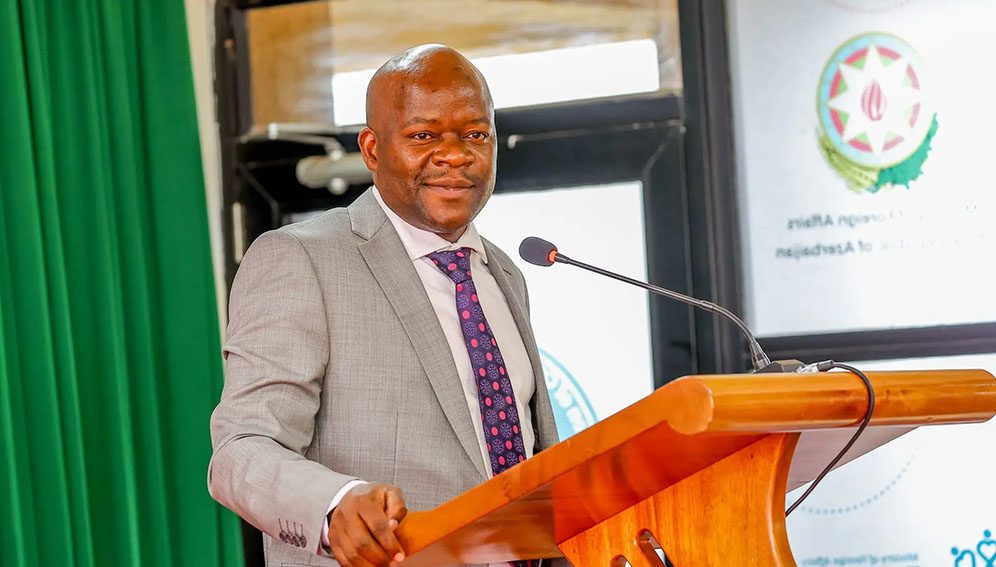
NRF champions science, climate action and youth empowerment
Kenya’s National Research Fund (NRF) is strengthening efforts to connect scientific research, innovation and youth participation with practical responses to climate and environmental challenges. NRF chief executive officer Dickson Andala represented the fund at the launch of the Climate Policy and Advocacy Training – Cohort…


SGCI funded projects
Rwanda’s integrated approach to sustainable agriculture and nutrition
Project Titles & Institution Areas of Research Number of Projects being funded Project Duration Grant Amount In-Kind Distribution Council Collaboration with other councils