Robust and inclusive science, technology, and innovation (STI) systems are vital for driving social and economic development and achieving the Sustainable Development Goals. Science Granting Councils (SGCs) play a critical role in enabling these systems to function effectively. However, in many developing countries — particularly in sub-Saharan Africa — SGCs face a range of interconnected challenges that constrain their ability to perform their core functions. The Science Granting Councils Initiative (SGCI) was established in 2015 as a collaborative effort to strengthen SGCs and address these systemic challenges.
In 2026, SGCI entered its third phase (SGCI-3), marking a new five-year commitment to strengthening STI systems across sub-Saharan Africa. Building on a decade of progress under SGCI-1 and SGCI-2, this phase represents a shift from a primary focus on capacity building to a fully-fledged, African-led platform for research collaboration, policy leadership, and sustained investment in STI.
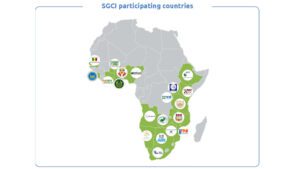
The initiative currently works with SGCs from 20 participating countries. These councils serve as critical intermediaries within STI systems, contributing to national policy formulation and implementation, setting research priorities, disbursing research funds, managing bilateral and multilateral STI agreements, and promoting the uptake of research.
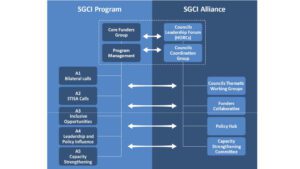
SGCI-3 introduces the SGCI Alliance — a council-led governance structure that enables African institutions to play a central role in shaping the initiative’s direction and deliverables, while engaging with policymakers, funders, the private sector, civil society, regional bodies, and global STI networks. This structural evolution reflects the growing maturity and complexity of Africa’s STI systems and positions the initiative for long-term sustainability beyond external funding.
SGCI-3 at a glance
A new CAD 57 million commitment is turbocharging the Science Granting Councils Initiative into its third and most ambitious phase, putting African scientists, councils, and research institutions at the centre of the continent’s development story.
Why this matters
Africa faces an urgent convergence of challenges, including climate shocks, food insecurity, disease outbreaks, and technological disruption. Addressing them requires strong, well-resourced science, technology, and innovation (STI) systems rooted in African realities and led by African institutions.
Science Granting Councils (SGCs) are the critical link between national ambitions and research reality. They fund, manage, and translate research into policy and practice. Yet in much of sub-Saharan Africa, these councils have historically operated with limited resources and capacity. SGCI exists to change that.
What is SGCI-3?
Announced on 12 February 2026 during the 39th African Union Summit in Addis Ababa, the third phase of the Science Granting Councils Initiative (SGCI-3) runs from 2026 to 2030. It is backed by IDRC (Canada), FCDO (UK), Norad (Norway), Wellcome (UK), DFG (Germany) and NRF-South Africa.
SGCI-3 is built on a decade of demonstrated progress. The first two phases strengthened institutional foundations, improving how councils design funding calls, manage grants, advance evidence-informed policymaking, mainstream gender equality, enable public-private partnerships, and communicate research. This phase scales and accelerates that work.
Three outcomes driving change
High-quality, Africa-led research and innovation
SGCI-3 co-funds national and multi-country research calls aligned with STISA-2034 priority themes, including agriculture, health, ICT, energy, and environment. It expands partnerships and draws in new investment to tackle transboundary challenges.
Stronger STI policy influence
Councils will be strategically positioned to shape and implement national and regional STI policies through stronger monitoring and evaluation, evidence-based engagement, and active participation in international science fora.
Strengthened research management operations
Coordinated technical assistance, peer learning, and tailored training will institutionalise capacity development, ensuring councils can sustain and deepen their role long after the initiative ends.
A new pan-African alliance of research funders
One of the unique attributes of SGCI-3 is the SGCI Alliance. The alliance is a new platform that puts African councils in the driver’s seat. Through the Alliance, Councils will lead decision-making, shape research agendas, and forge strategic partnerships. Ghana currently chairs the Alliance, alongside a Councils Coordination Group that includes South Africa, Kenya, Tanzania, and Namibia.
The Alliance represents a structural shift from a donor-supported initiative to an African-owned, African-led platform for sustainable research investment. It is a pan-African alliance of research funders, with multi-country calls for proposals expected later this year.
Advancing STISA-2034
SGCI-3 is explicitly designed to advance the African Union’s Science, Technology and Innovation Strategy for Africa (STISA-2034), working in close collaboration with AUDA-NEPAD as the strategy’s implementing coordinator, and the African Union Commission (AUC).
The STISA-2034 implementation plan itself highlights the need to leverage SGCI’s experience to strengthen national research funding systems and build council capacity. SGCI’s presence at the AU Summit sends a clear message to policymakers: increased R&D funding, policy harmonisation, and empowered national councils are Africa’s pathway to inclusive innovation and sustainable growth.
20-member countries
Angola, Botswana, Burkina Faso, Côte d’Ivoire, Ethiopia, Ghana, Kenya, Malawi, Mozambique, Namibia, Nigeria, Rwanda, Senegal, Sierra Leone, South Africa, Tanzania, Togo, Uganda, Zambia, Zimbabwe
Councils Coordination Group
National Research Fund (NRF) South Africa, National Research Fund (NRF) Kenya, Tanzania Commission for Science and Technology, and National Commission on Research, Science and Technology (Namibia)
Funded by
IDRC (Canada), FCDO (UK), Norad (Norway), Wellcome (UK), DFG (Germany), and NRF-South Africa
Themes
The SGCI aims to strengthen the capacities of these SGCs to support research and evidence-based policies that will contribute to economic and social development.