
SGCI News
[SciDevNet] The 2025 Global Food Policy Report warns that the world could be heading toward another major food crisis. For Africa, the warning is especially urgent. Across the continent, food…
[SciDevNet] The 2025 Global Food Policy Report warns that the world could be heading toward another major food crisis. For Africa, the warning is especially urgent.
Across the continent, food systems are under pressure from climate change, economic shocks, and political instability.
These overlapping challenges are making it harder for governments to respond to rising food needs or invest in long-term solutions.
In this episode of Africa Science Focus, reporter Michael Kaloki explores how research and evidence can help build food systems that are more resilient, inclusive, and better prepared for future shocks.
Steven Omamo, director of development strategies and governance at the International Food Policy Research Institute (IFPRI), says many African countries already have food policies, but poor implementation and weak investment continue to undermine them.
He highlights the value of science in guiding early warning systems, promoting stress-tolerant crops, boosting local production, and supporting community-based responses to disruptions caused by climate and conflict.
Food systems specialist Jane Battersby, associate professor at the University of Cape Town, urges a shift in focus toward urban food insecurity. She says while there is attention on hunger in rural areas, a large number of food-insecure people live in cities, often in informal settlements where food is available, but unaffordable.
Zippy Ondisa Shiyoya, director at the Institute of Packaging Professionals of Kenya, says poor coordination, high policy costs, and unreliable data are barriers to effective food strategies.
She explains how science underpins food safety and quality, from production, through to distribution, consumption and data gathering. It guides better packaging solutions, which extend shelf life, reduce spoilage, and minimise post-harvest losses — a major source of food waste across the continent.
This podcast was supported by the Science Granting Councils Initiative which aims to strengthen the institutional capacities of 18 public science funding agencies in Sub-Saharan Africa.
Do you have any comments, questions or feedback about our podcast episodes? Let us know at podcast@scidev.net
Africa Science Focus is produced by SciDev.Net and distributed in association with your local radio station.
This piece was produced by SciDev.Net’s Sub-Saharan Africa English desk.
Related News
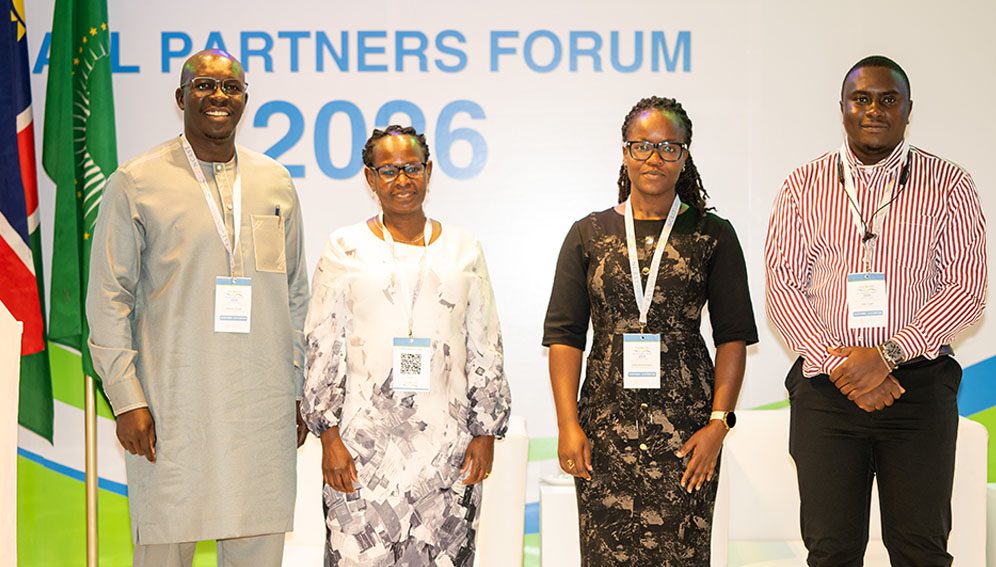
Voices from the SGCI Forum: Building an African-led science system
From calls for African-led research funding to stronger engagement with communities and governments, participants at the 2026 Science Granting Councils Initiative (SGCI) All Partners Forum left Windhoek with a shared sense that Africa’s science and innovation systems are entering a new phase. Held from 28…
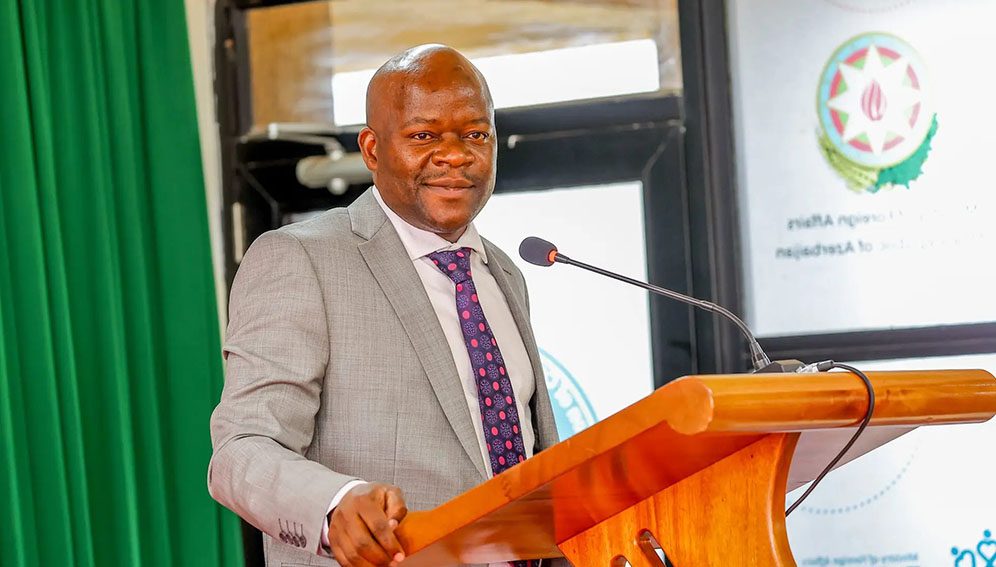
NRF champions science, climate action and youth empowerment
Kenya’s National Research Fund (NRF) is strengthening efforts to connect scientific research, innovation and youth participation with practical responses to climate and environmental challenges. NRF chief executive officer Dickson Andala represented the fund at the launch of the Climate Policy and Advocacy Training – Cohort…
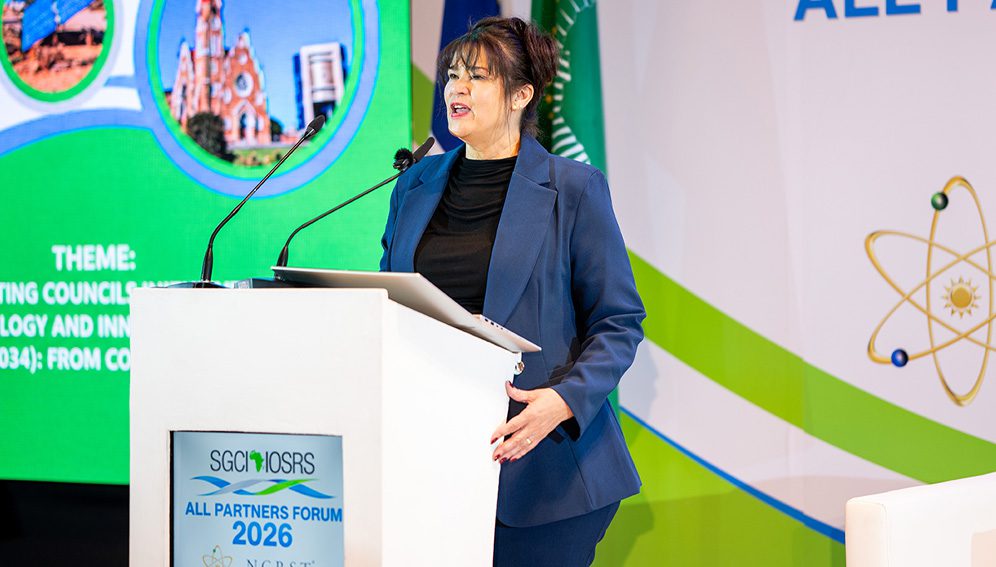
Windhoek Declaration: African science funders pledge to act as one
Science granting councils say Africa’s research systems need African ownership, steadier funding and less fragmentation. Here is what they agreed in Windhoek. African science granting councils adopted a collective declaration in Windhoek, Namibia, on 1 October 2026, as part of the Science Granting Councils Initiative…


SGCI funded projects
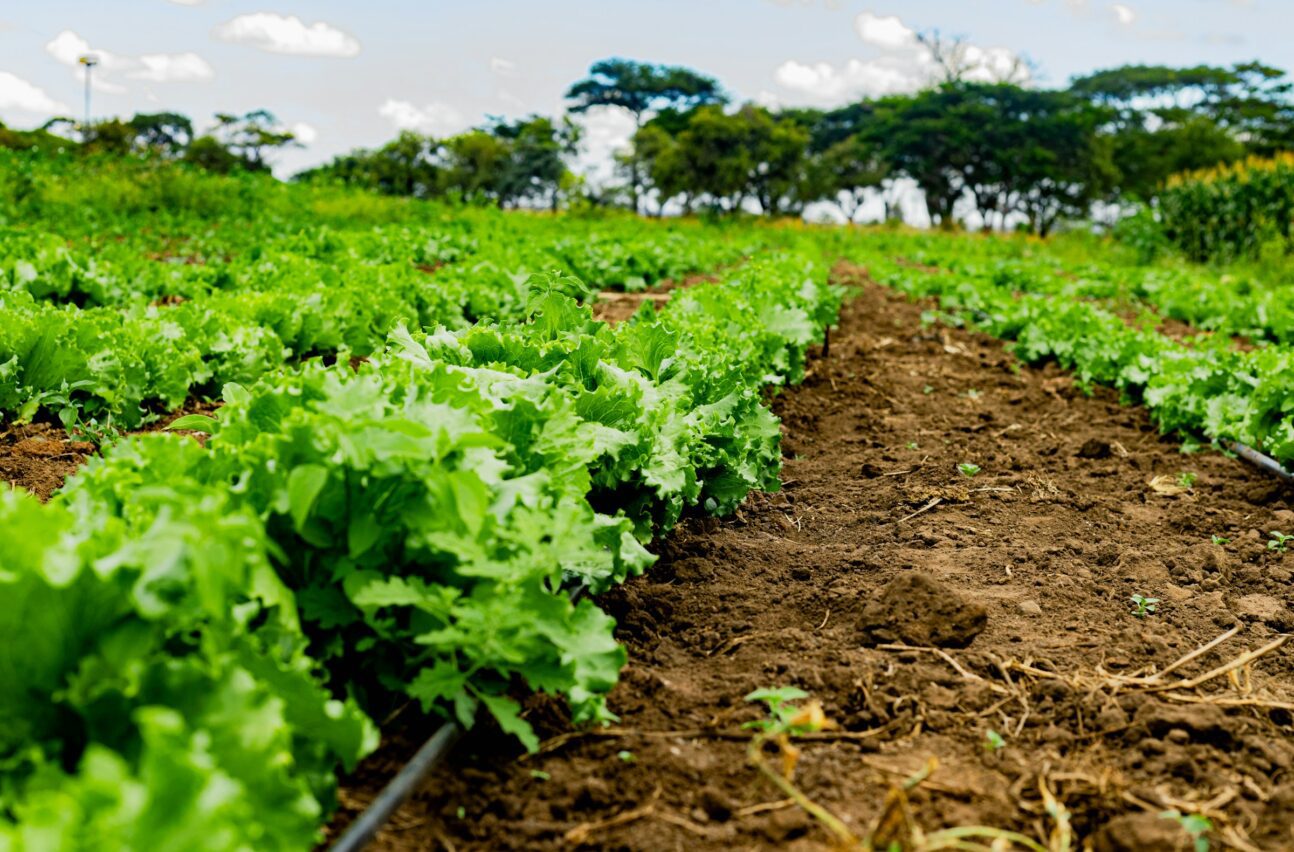
Rwanda’s integrated approach to sustainable agriculture and nutrition
Project Titles & Institution Areas of Research Number of Projects being funded Project Duration Grant Amount In-Kind Distribution Council Collaboration with other councils