
SGCI News
[ADDIS ABABA, SciDevNet] For years, Fentie Wabi worked as a fisherman on Ethiopia’s Lake Tana, until an aggressive green invader changed everything. Water hyacinth, a fast-spreading aquatic weed, began choking…
- Researchers convert invasive water hyacinth into biogas
- Communities benefit from cooking fuel, fertiliser
- Government support needed to support scale-up
[ADDIS ABABA, SciDevNet] For years, Fentie Wabi worked as a fisherman on Ethiopia’s Lake Tana, until an aggressive green invader changed everything.
Water hyacinth, a fast-spreading aquatic weed, began choking the lake that had sustained his community.
“As the weed expanded, we couldn’t ride our boats. It damaged our nets, and we couldn’t fish in the areas we used to,” he said.
“This invasive plant doesn’t just damage the lake ecosystem, it threatens the livelihoods of communities who depend on these waters for food, income, and clean water.”
Yezbie Kassa, assistant professor of fishery and aquatic science, University of Gondar
Desperate to reclaim their waters, the fishermen of Shehagomngie village, in the Gondar Zuriya district, tried removing the hyacinth by hand. But it was backbreaking work that yielded no results.
“Even after we removed it, it grew back quickly,” said Wabi. “The waste piled up around us, occupying all the nearby land.”
When researchers introduced a biogas project to the local community, Wabi volunteered first.
The innovative approach converted the invasive weed into household energy sources such as cooking fuel, while simultaneously clearing the water of the weeds.
“After installing the biogas system, it made a big difference,” Wabi said.
His family now uses the gas for cooking and lighting, reducing reliance on firewood.
Wabi also uses the leftover bioslurry as fertiliser on his small farm, with promising results. His maize and vegetables now yield more than in previous seasons when he relied on chemical fertilisers.
“Since I started applying the slurry, my crops have grown better and look healthier,” he explained.
“I no longer need to buy expensive fertilisers from the market, so it’s helping me save money too.”
Rapid invasion
Yezbie Kassa, the lead researcher of the project and assistant professor of fishery and aquatic science at the University of Gondar, visited Lake Tana for her PhD research,
During that time, she witnessed drastic ecosystem changes as water hyacinth dangerously expanded across the lake.
“This invasive plant doesn’t just damage the lake ecosystem, it threatens the livelihoods of communities who depend on these waters for food, income, and clean water,” she said.
Despite years of community cleanups and government removal efforts, the plant continued spreading.
“The plant was expanding fast and displacing native species,” recalled Kassa. “Even where it was removed, the waste piled up in villages, posing new environmental and health problems.”
Unless the weed was utilised in some way, eradication efforts would be unsustainable.
“I saw an urgent need to turn this invasive plant into something useful,” she added. “That’s how the idea of biogas came up — out of necessity and opportunity.”
Green energy
Kassa said she noticed that decaying water hyacinth released an oily substance, which inspired the idea to use it as an energy source.
She saw potential in converting the waste into biogas while using the leftover byproduct as fertiliser, offering dual benefits for energy access and agricultural productivity.
According to Kassa, the process is straightforward. Water hyacinth waste and animal dung are collected and fed into biogas digesters.
Over several weeks, the organic material breaks down to produce biogas in a process known as anaerobic digestion. The biogas is comprised mainly of methane and carbon dioxide.
The remaining slurry, called bioslurry, becomes natural fertiliser.
Kassa emphasised that water hyacinth produces a higher volume of biogas than many other materials due to its volatile content. It also produces a higher concentration of methane and fewer harmful gases, making it healthier and more environmental friendly.
Though the pilot project was implemented in just five households, it served as proof of concept and a source of community learning.
Initially many villagers were sceptical, but “once they saw the first lights and smelled the cooking gas, it changed minds and sparked excitement”, Kassa said.
She says women particularly benefit from the innovation, as they don’t have to spend long hours collecting firewood or cooking over smoky stoves.
Government support
Getachew Sime Feyissa, associate professor of agroecology at Hawassa University, Ethiopia, says transforming invasive plants into biogas, biofertiliser, handicrafts, or animal feed is an increasingly popular approach.
“These methods offer dual benefits. They mitigate environmental impacts while creating livelihood opportunities,” he said.
“But for these solutions to move beyond pilot phases and make real impact, they need stronger government support, dedicated funding, and targeted policy support.”
Security issues in Ethiopia’s rural conflict zones and rising construction costs make expanding this biogas project difficult.
“The biogas tanks require imported materials, which are expensive,” added Kassa, urging the government to offer subsidies to make it viable for more families.
“Organising households into cooperatives is another way to share financial and material burdens.”
With water hyacinth spreading rapidly across Ethiopia’s Rift Valley and other lakes, Kassa believes the model is scalable.
“Stakeholders from federal to local level have shown great interest,” she added. “They are following the project with enthusiasm, and I hope this will lead to scaling up in other regions.
“With strong policy backing, adequate funding, and coordination across sectors, this innovation can be scaled to benefit communities across the country.”
This piece was produced by SciDev.Net’s Sub-Saharan Africa English desk.
Related News
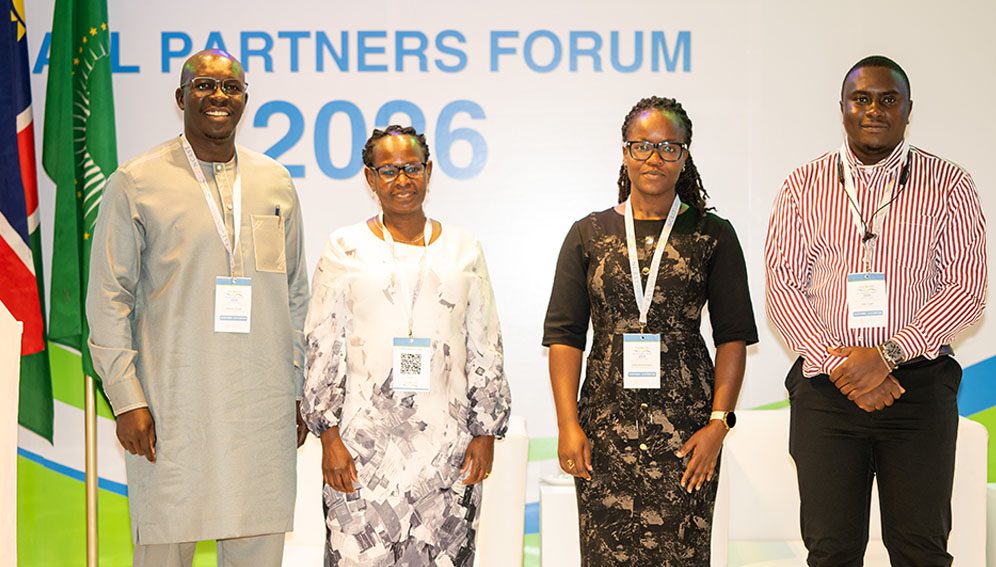
Voices from the SGCI Forum: Building an African-led science system
From calls for African-led research funding to stronger engagement with communities and governments, participants at the 2026 Science Granting Councils Initiative (SGCI) All Partners Forum left Windhoek with a shared sense that Africa’s science and innovation systems are entering a new phase. Held from 28…

NRF champions science, climate action and youth empowerment
Kenya’s National Research Fund (NRF) is strengthening efforts to connect scientific research, innovation and youth participation with practical responses to climate and environmental challenges. NRF chief executive officer Dickson Andala represented the fund at the launch of the Climate Policy and Advocacy Training – Cohort…
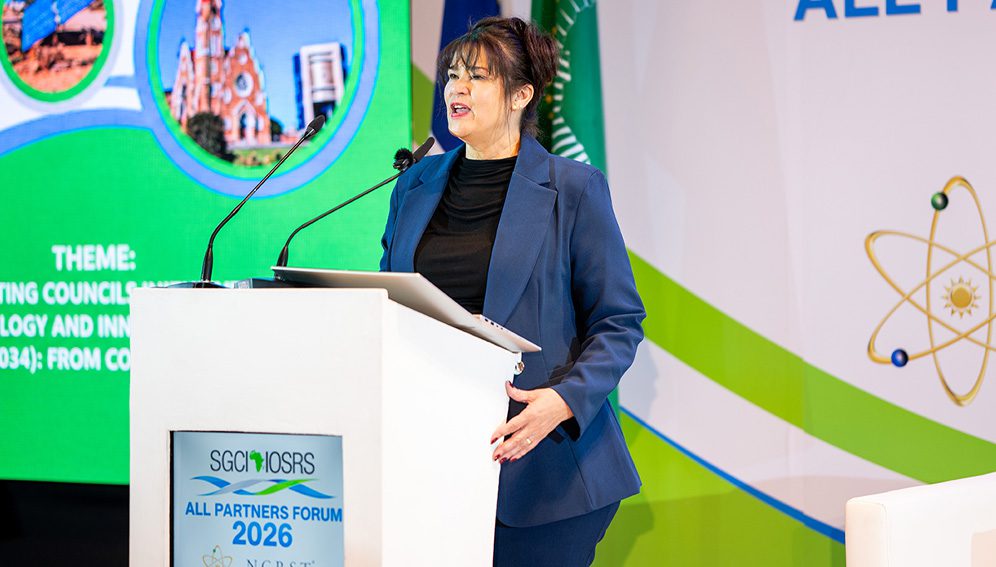
Windhoek Declaration: African science funders pledge to act as one
Science granting councils say Africa’s research systems need African ownership, steadier funding and less fragmentation. Here is what they agreed in Windhoek. African science granting councils adopted a collective declaration in Windhoek, Namibia, on 1 October 2026, as part of the Science Granting Councils Initiative…


SGCI funded projects
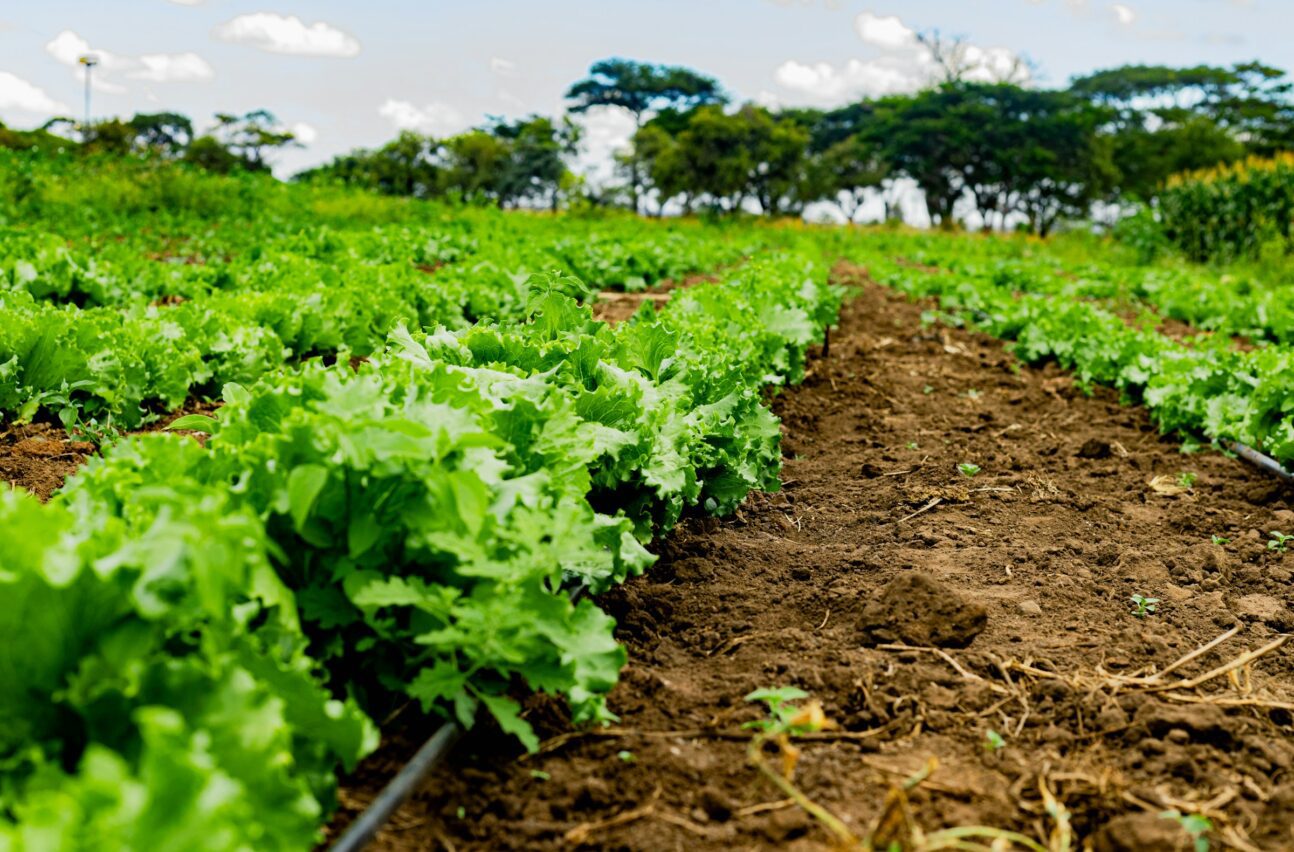
Rwanda’s integrated approach to sustainable agriculture and nutrition
Project Titles & Institution Areas of Research Number of Projects being funded Project Duration Grant Amount In-Kind Distribution Council Collaboration with other councils