
SGCI News
[NAIROBI] Erastus Kagume, a young leather artisan from Nyandarua County in Kenya, relied on poor-quality leather from brokers to make school shoes, an issue that hurt his business and reputation….
- A leather training programme is helping to close skills gap in Kenya
- Leather processing to quality standards is becoming easier
- The project has created market access for women and youth
[NAIROBI] Erastus Kagume, a young leather artisan from Nyandarua County in Kenya, relied on poor-quality leather from brokers to make school shoes, an issue that hurt his business and reputation.
“My customers would come back complaining about the shoes soon after they purchased them,” Kagume said.
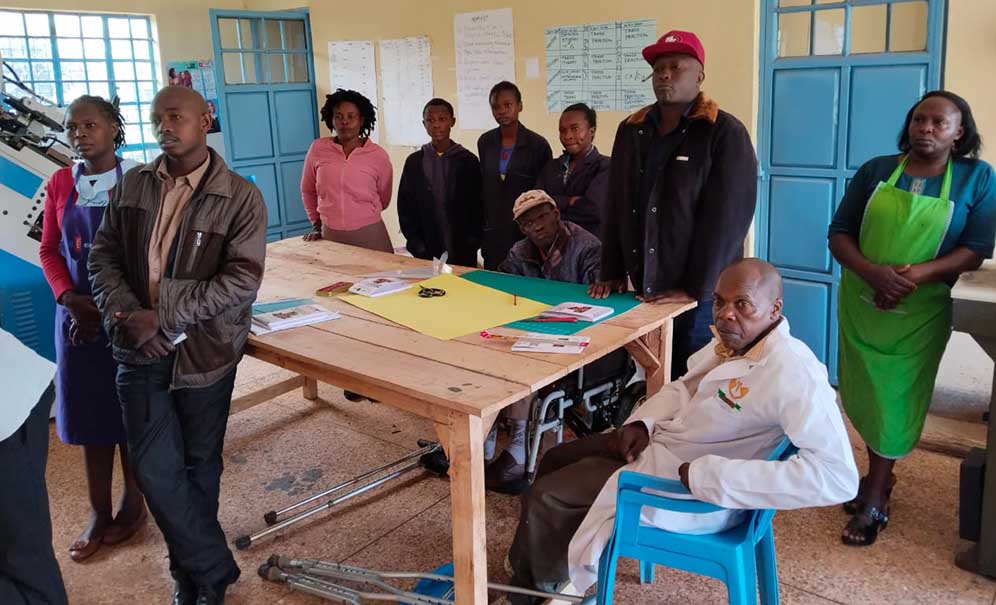
That changed when he joined a training programme to help women and youth in pastoral areas produce high-quality leather and leather products that meet market demand.
“The training opened my eyes … it turned my business around,” Kagume said.
His monthly profits increased from 10,000 Kenyan shillings (US$77) to 25,000 shillings (US$193).
“I can now take my kids to school effortlessly and I can afford most things that I could not previously,” he added.
“This is not just about me, but the community. I can now employ a couple of hands to help in the business. The benefits trickle down to the whole society.”
Despite its promise, leather production faces persistent challenges which includes harmful chemical use in tanning, such as chromium salts, water pollution, low productivity, lack of skilled labour, and poor market access.
Researchers from Kenya’s Dedan Kimathi University of Technology (DeKUT) conducted the training as part of a project addressing critical gaps in the leather sub-sector through skills and knowledge sharing.
“We wanted to partner with businesses, brands, and micro, small, and medium enterprises and startups, creating a direct impact on the industry,” explains Paul Tanui, the project’s lead researcher and chemistry lecturer at DeKUT.
According to the researchers, the Science Granting Councils Initiative played a huge role by financing the research and innovation to capacity building, technology transfer, and market development.
Tanning process
Turning raw hides and skins into finished leather products is a complex, multi-stage process.
It includes pre-tanning, tanning, post-tanning, and finishing, followed by manufacturing into final products, Tanui explained.
To achieve a high-quality, sellable product producers must meet certain standards based on leather defect control, chemical processing, physical properties, surface finish, and environmental compliance, Tanui told SciDev.Net.
But this can be a challenge for small enterprises due to limited resources, expertise, or infrastructure, he added.
Quality control
The training has played a critical role in helping leather artisans, especially small- and medium-scale producers, meet prescribed quality standards.
“These standards can relate to product quality, safety, environmental compliance, and market expectations,” Tanui said.
Trainee artisans were shown how to cut, stitch, dye, and finish leather correctly to avoid defects such as uneven surfaces, fraying, or poor alignment.
They were also introduced to the use of precision tools and machinery to maintain consistent quality, which resulted in better product durability, appearance, and function.
The training enabled access to markets through a combination of traditional channels, partnerships, and digital innovations.
“The leather industry has become a catalyst for socio-economic change in many regions,” Tanui added.
“By contributing to the economy through self-employment, leadership roles, and entrepreneurship, women and youth gained respect and recognition, which helped shift traditional gender roles.”
Delia Grace Randolph, professor of food safety systems at the Natural Resources Institute, of the University of Greenwich, in the UK, who did not take part in the project, says the approach is good and could benefit the people involved.
“However, it would be good to see more evidence on the cost, benefits and reach of the approach,” said Randolph, who is also a scientist at the International Livestock Research Institute.
She noted that in general, hides in Africa are low quality because animals often have injuries, or are not in the best of health.
The other major issue, she added, is that — as with clothes — huge amounts of shoes are discarded by people in rich countries in good condition and brokers collect these and sell them in poor countries.
“These shoes are free: they have been thrown away or given away, the only costs are transport,” she said, noting that is difficult to compete with free goods.
This piece was written by Dann Okoth
Related News
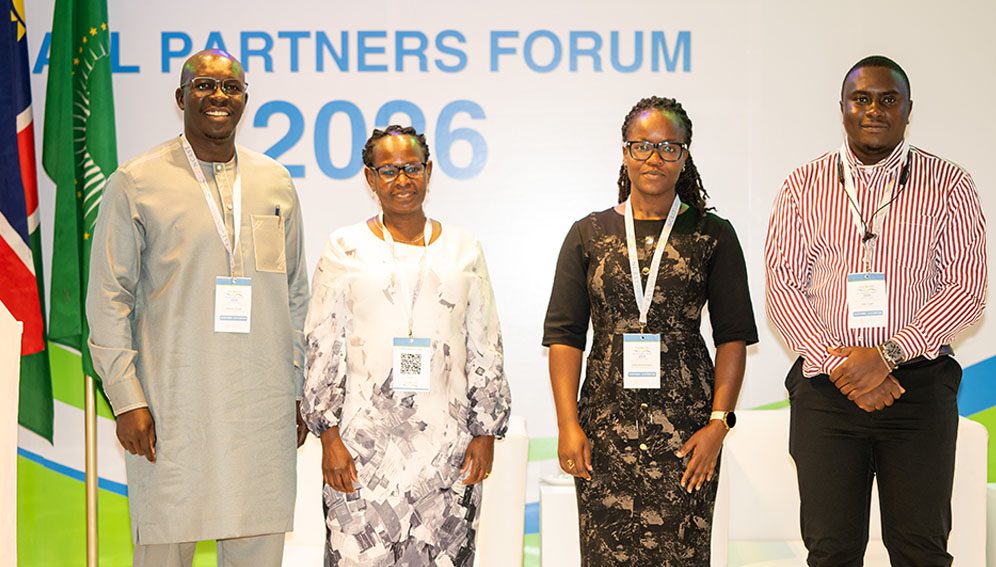
Voices from the SGCI Forum: Building an African-led science system
From calls for African-led research funding to stronger engagement with communities and governments, participants at the 2026 Science Granting Councils Initiative (SGCI) All Partners Forum left Windhoek with a shared sense that Africa’s science and innovation systems are entering a new phase. Held from 28…

NRF champions science, climate action and youth empowerment
Kenya’s National Research Fund (NRF) is strengthening efforts to connect scientific research, innovation and youth participation with practical responses to climate and environmental challenges. NRF chief executive officer Dickson Andala represented the fund at the launch of the Climate Policy and Advocacy Training – Cohort…

Windhoek Declaration: African science funders pledge to act as one
Science granting councils say Africa’s research systems need African ownership, steadier funding and less fragmentation. Here is what they agreed in Windhoek. African science granting councils adopted a collective declaration in Windhoek, Namibia, on 1 October 2026, as part of the Science Granting Councils Initiative…


SGCI funded projects
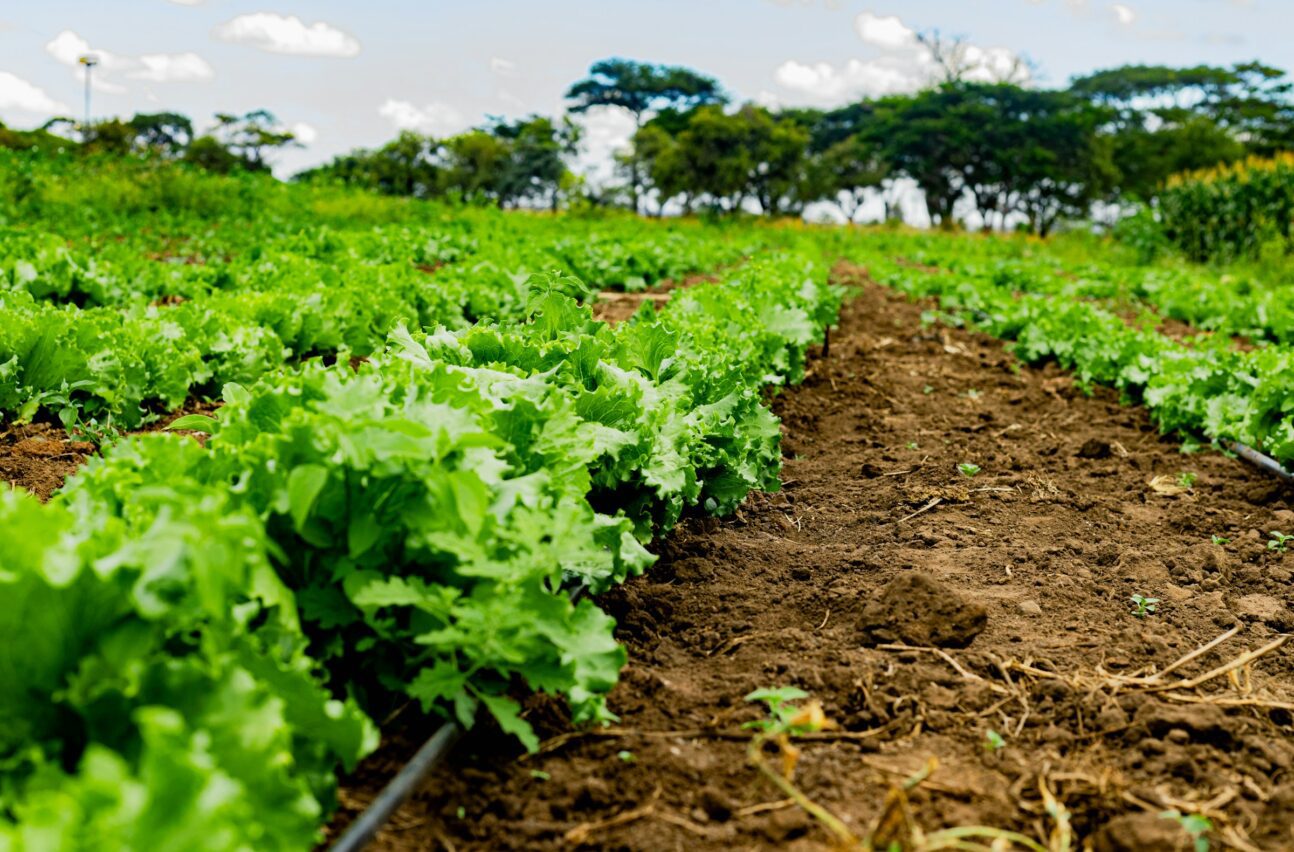
Rwanda’s integrated approach to sustainable agriculture and nutrition
Project Titles & Institution Areas of Research Number of Projects being funded Project Duration Grant Amount In-Kind Distribution Council Collaboration with other councils