
Archive for November 2026
Uganda seeks stronger STI ties to drive its $500bn economy
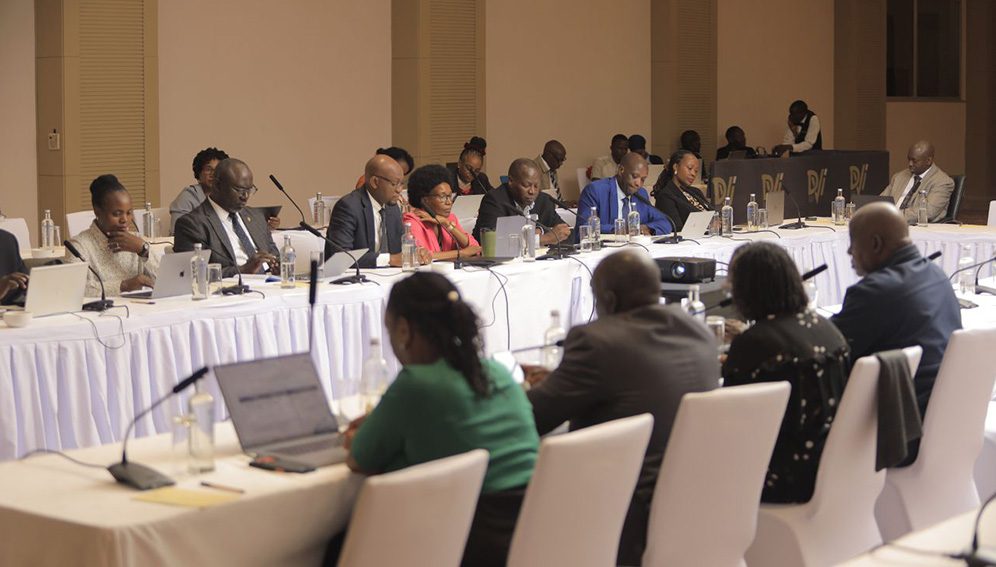
Uganda’s ambition to grow its economy to US$500 billion will depend partly on stronger collaboration across its science, technology and innovation (STI) ecosystem, the country’s science and technology council has said. The Uganda National Council for Science and Technology (UNCST) is calling for closer coordination among government agencies, universities, research institutions and the private sector…
Read MoreAfrican Union backs science councils to drive STISA-2034 agenda
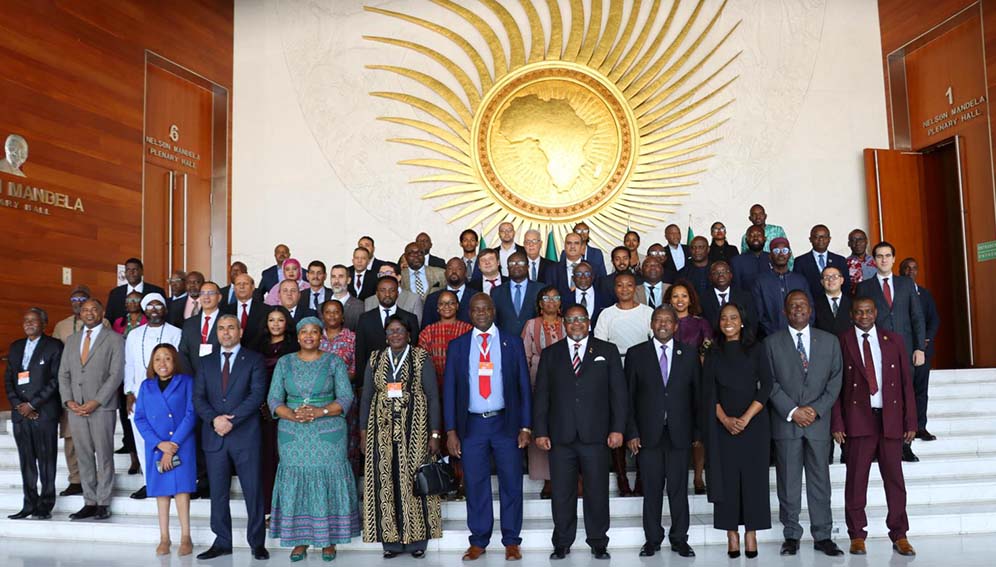
African Union ministers have recognised Science Granting Councils Initiative (SGCI) member institutions as primary vehicles for implementing Africa’s new science, technology and innovation strategy, strengthening the role of national research funding agencies in driving the continent’s development priorities. The recognition was made during the 6th Ordinary Session of the African Union Specialized Technical Committee on…
Read MoreGhana strengthens safeguards for emerging malaria gene-drive research

As Ghana explores gene-drive technology as a potential tool for malaria control, stronger regulatory oversight and collaboration between research institutions and government will be essential to ensuring that scientific innovation does not compromise public health or environmental safety. Ghana is considering the scientific and regulatory requirements for research into gene-drive technology, an emerging biotechnology approach…
Read MoreIvorian researchers develop solutions to illegal gold mining damage
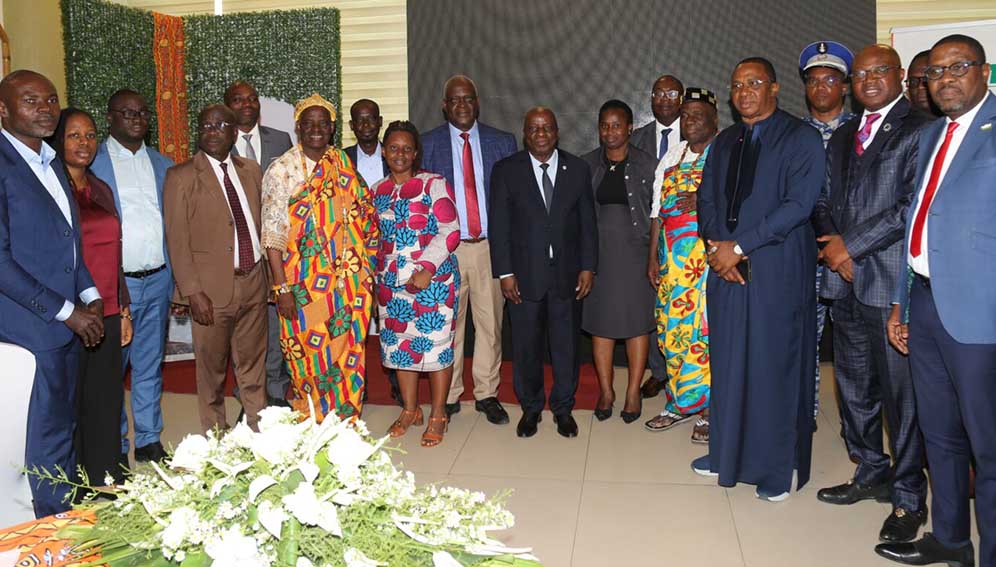
Locally developed technologies for detecting heavy metals in water and restoring contaminated farmland could help Côte d’Ivoire address the environmental and public health consequences of illegal gold mining. Illegal gold mining has affected 29 of Côte d’Ivoire’s 31 regions, threatening water resources, agricultural land and public health, while costing the country billions of CFA francs…
Read MoreHow research management is changing Africa’s science funders
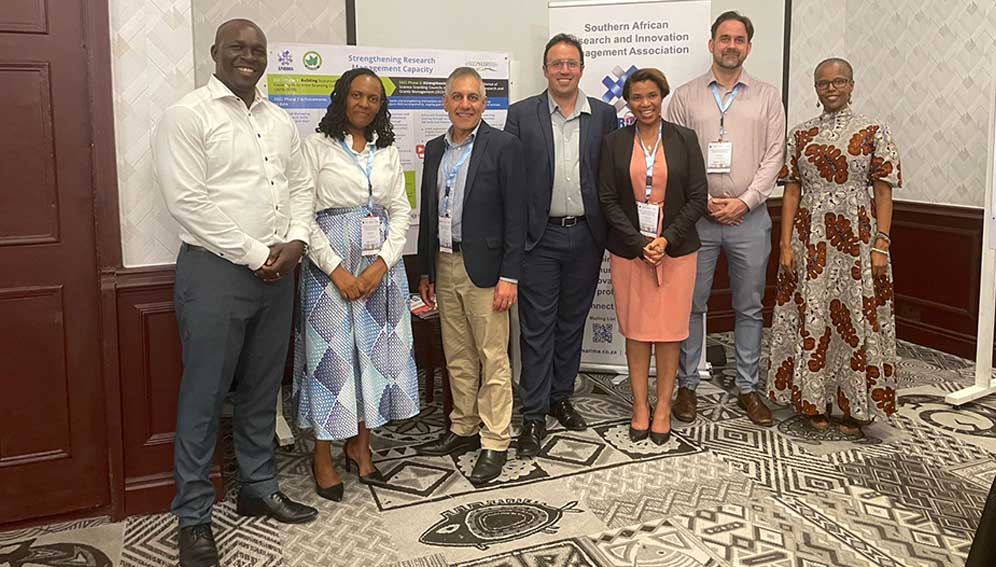
A new grant appeals procedure in Zimbabwe, improved digital grant management in Namibia, and stronger gender inclusion leadership in Zambia are among the institutional changes emerging from efforts to strengthen research management across Sub-Saharan Africa. Theme one of the Science Granting Councils Initiative Phase II (SGCI-2), implemented by the Southern African Research and Innovation Management…
Read More