
SGCI News
As Ghana explores gene-drive technology as a potential tool for malaria control, stronger regulatory oversight and collaboration between research institutions and government will be essential to ensuring that scientific innovation…
As Ghana explores gene-drive technology as a potential tool for malaria control, stronger regulatory oversight and collaboration between research institutions and government will be essential to ensuring that scientific innovation does not compromise public health or environmental safety.
Ghana is considering the scientific and regulatory requirements for research into gene-drive technology, an emerging biotechnology approach being explored for its potential to reduce malaria transmission.
The technology, which can spread specific genetic traits through populations of organisms, has attracted research interest as a possible way to control malaria-carrying mosquitoes. However, its potential environmental implications and the need for robust biosafety measures make regulatory preparedness and stakeholder engagement critical.

These issues featured in discussions between representatives of the Ghana National Research Fund (GNRF), the University of Ghana and the Gates Foundation, who met with the Minister for Environment, Science and Technology, Hon. Zanetor Agyeman-Rawlings, on 3 November.
The delegation briefed the Minister on a three-day stakeholder discussion, held from 3 to 5 November, focusing on the scientific progress, regulatory considerations and institutional requirements associated with gene-drive research and malaria vector control.
A key concern was ensuring that relevant regulatory institutions are involved in assessing the research, including the scientific evidence, biosafety implications and environmental risks, before any decision is made about the potential release of gene-drive organisms into the environment.
The delegation sought the Minister’s guidance and support in strengthening institutional collaboration and ensuring that Ghana’s scientific and regulatory frameworks are equipped to address the challenges associated with this emerging field.
The discussions highlight a broader challenge facing African research systems, which is ensuring that advances in science and technology are matched by the institutional capacity, policy frameworks and regulatory expertise needed to guide their responsible application.
For science granting councils, this highlights the importance of supporting research ecosystems that go beyond funding scientific investigations to strengthen the connections between researchers, policymakers, regulatory bodies and other stakeholders.
The Ministry of Environment, Science, Technology and Innovation (MESTI), which serves as Ghana’s science granting council in the Science Granting Councils Initiative (SGCI), has a mandate to promote the application of science and technology to national development, alongside sustainable environmental management.
Through its participation in SGCI, Ghana has been part of regional efforts to strengthen research management systems, expand international research partnerships and improve the capacity of institutions to support research and innovation.

The initiative promotes stronger national research systems, including collaboration between science granting councils and other actors responsible for translating research into development outcomes.
The gene-drive discussions provide an example of why such institutional connections matter. Research involving emerging technologies requires scientific expertise and effective coordination between funding institutions, universities, government ministries and regulatory agencies.
As African countries seek scientific solutions to persistent health and environmental challenges, strengthening these systems will be important in ensuring that research is scientifically sound, responsibly governed and responsive to national development priorities.
For Ghana, the challenge will be to create an enabling environment for scientific innovation while ensuring that public health, environmental protection and evidence-based decision-making remain central to the process.
Please check out the stories and let us know what you think. We would love to hear from you!
Let’s continue the conversation on our social media
Published on 12 November 2026
By Jackie Opara-Fatoye
Related News

Ghana strengthens safeguards for emerging malaria gene-drive research
As Ghana explores gene-drive technology as a potential tool for malaria control, stronger regulatory oversight and collaboration between research institutions and government will be essential to ensuring that scientific innovation does not compromise public health or environmental safety. Ghana is considering the scientific and regulatory…
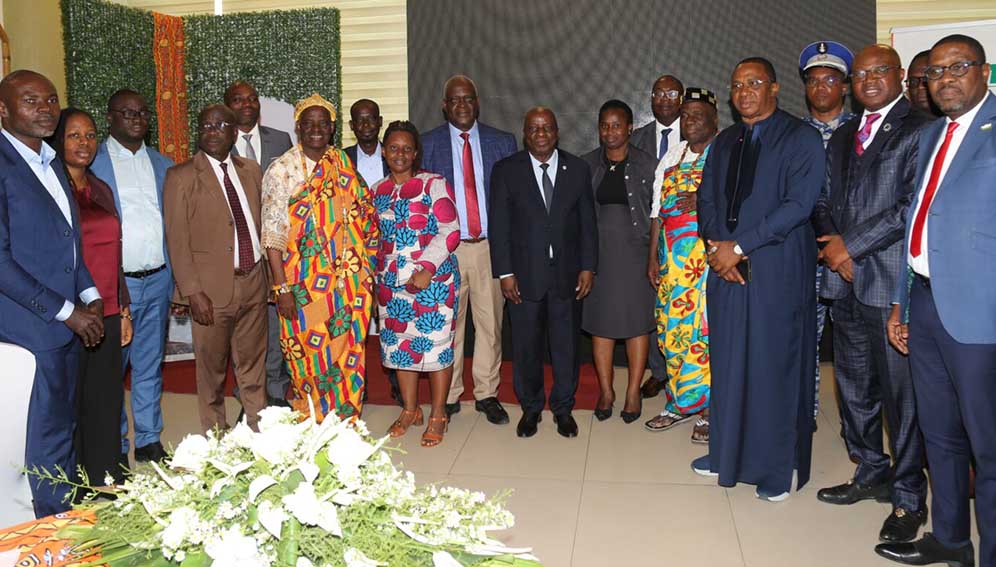
Ivorian researchers develop solutions to illegal gold mining damage
Locally developed technologies for detecting heavy metals in water and restoring contaminated farmland could help Côte d’Ivoire address the environmental and public health consequences of illegal gold mining. Illegal gold mining has affected 29 of Côte d’Ivoire’s 31 regions, threatening water resources, agricultural land and…
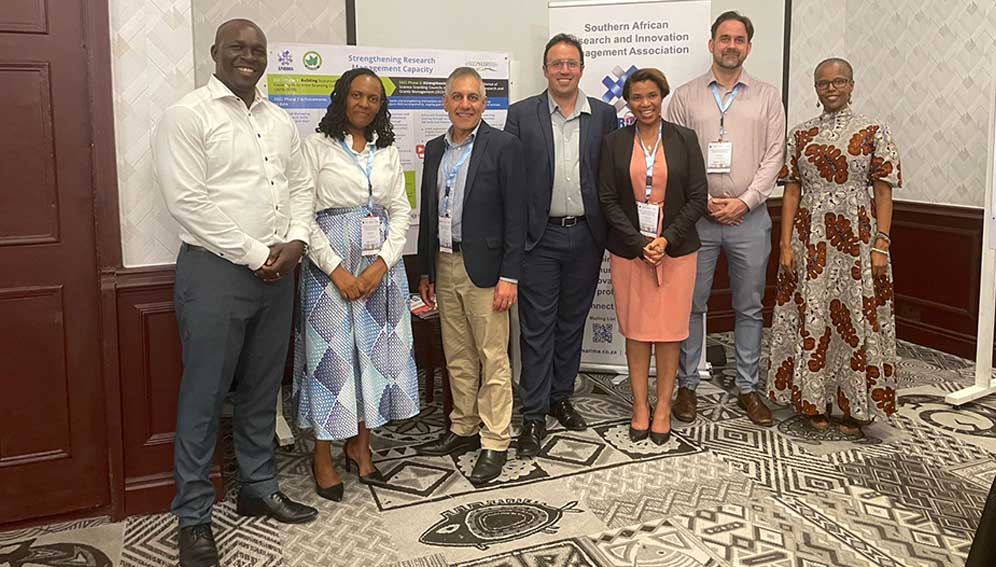
How research management is changing Africa’s science funders
A new grant appeals procedure in Zimbabwe, improved digital grant management in Namibia, and stronger gender inclusion leadership in Zambia are among the institutional changes emerging from efforts to strengthen research management across Sub-Saharan Africa. Theme one of the Science Granting Councils Initiative Phase II…


SGCI funded projects

Rwanda’s integrated approach to sustainable agriculture and nutrition
Project Titles & Institution Areas of Research Number of Projects being funded Project Duration Grant Amount In-Kind Distribution Council Collaboration with other councils