
SGCI News
Uganda’s ambition to grow its economy to US$500 billion will depend partly on stronger collaboration across its science, technology and innovation (STI) ecosystem, the country’s science and technology council has…
Uganda’s ambition to grow its economy to US$500 billion will depend partly on stronger collaboration across its science, technology and innovation (STI) ecosystem, the country’s science and technology council has said.
The Uganda National Council for Science and Technology (UNCST) is calling for closer coordination among government agencies, universities, research institutions and the private sector to strengthen research, innovation and technology development and translate them into economic opportunities.
The call was made during the ninth meeting of the UNCST Council on 13 November at Kampala Serena Hotel, where members reviewed the institution’s performance and progress in implementing its expanded regulatory mandate.
Council chairperson Rhoda Wanyenze said achieving the US$500 billion economic target under Uganda’s Fourth National Development Plan (NDP IV) would require a more coordinated approach to developing and applying science and innovation.

“As Uganda works towards the goal of a $500 billion economy, we need stronger collaboration across the entire science, technology and innovation ecosystem,” she said.
UNCST said it could not deliver on its expanded responsibilities in isolation, highlighting the importance of working with institutions involved in research, innovation, technology development and commercialisation.
The council’s call comes as UNCST takes on a broader role in regulating and coordinating Uganda’s STI system. Under a presidential directive issued in January 2022, the institution is responsible for regulating STI activities, translating policies into regulations and standards, monitoring compliance, and supporting professional science institutions and continuous professional development.
UNCST executive secretary James Kisaale said the institution was restructuring its Secretariat to strengthen its capacity to deliver on these responsibilities.
“Unpacking the expanded mandate has informed the restructuring of the UNCST Secretariat and positioned the institution to deliver on its Strategic Plan 2025–2030,” he said.
The council reviewed progress in implementing the expanded mandate as part of its oversight of the Secretariat’s performance. Kisaale also introduced members to the new management team that joined the institution during the quarter.

The 32-member council brings together expertise from across Uganda’s STI ecosystem, including agriculture, computer science, electronics and informatics, energy, industrial science, medical science, natural and physical sciences, and social sciences and humanities. Twenty-six members attended the meeting.
Strengthening institutional capacity and coordination among research funders, policymakers, researchers and other STI actors is also important for building effective national research and innovation systems.
Through its support for science granting councils, the Science Granting Councils Initiative (SGCI) works to strengthen African countries’ capacity to manage research funding, support research, and contribute to evidence-informed policymaking.
Uganda’s renewed emphasis on collaboration and institutional capacity highlights the importance of aligning national STI priorities with the research and innovation needed to drive inclusive, sustainable economic growth.
Please check out the stories and let us know what you think. We would love to hear from you!
Let’s continue the conversation on our social media
Published on 19 November 2026
By Jackie Opara-Fatoye
Related News
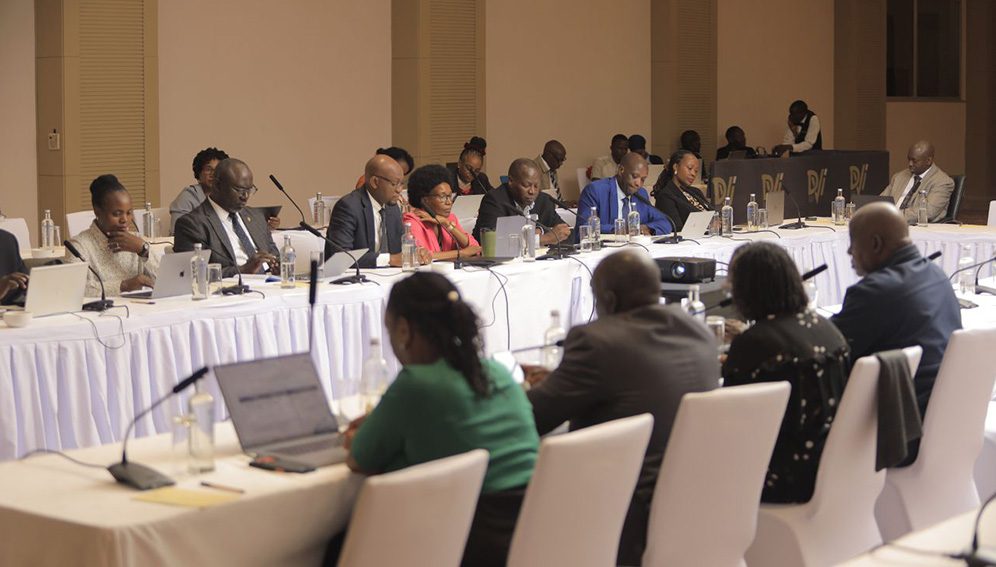
Uganda seeks stronger STI ties to drive its $500bn economy
Uganda’s ambition to grow its economy to US$500 billion will depend partly on stronger collaboration across its science, technology and innovation (STI) ecosystem, the country’s science and technology council has said. The Uganda National Council for Science and Technology (UNCST) is calling for closer coordination…
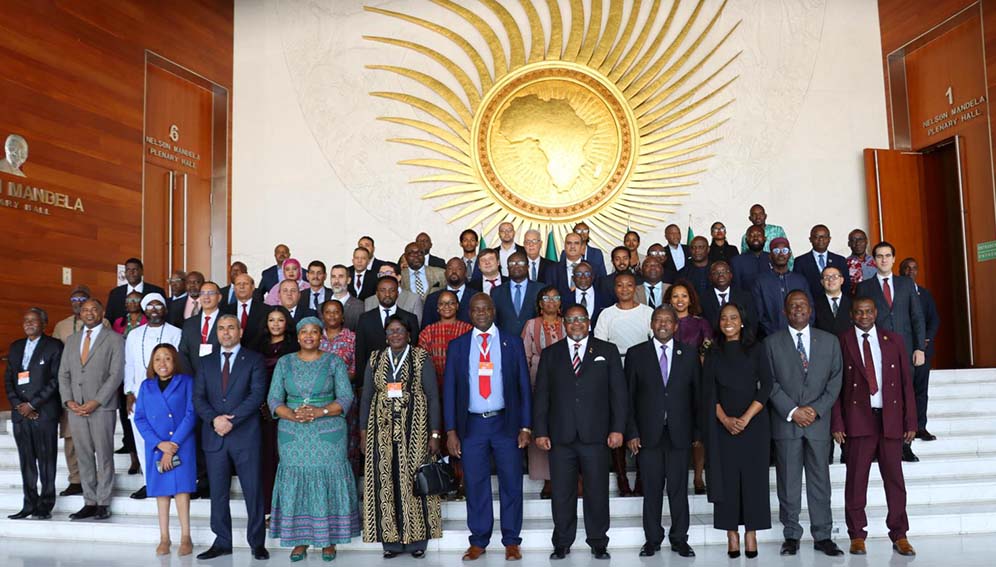
African Union backs science councils to drive STISA-2034 agenda
African Union ministers have recognised Science Granting Councils Initiative (SGCI) member institutions as primary vehicles for implementing Africa’s new science, technology and innovation strategy, strengthening the role of national research funding agencies in driving the continent’s development priorities. The recognition was made during the 6th…

Ghana strengthens safeguards for emerging malaria gene-drive research
As Ghana explores gene-drive technology as a potential tool for malaria control, stronger regulatory oversight and collaboration between research institutions and government will be essential to ensuring that scientific innovation does not compromise public health or environmental safety. Ghana is considering the scientific and regulatory…


SGCI funded projects

Rwanda’s integrated approach to sustainable agriculture and nutrition
Project Titles & Institution Areas of Research Number of Projects being funded Project Duration Grant Amount In-Kind Distribution Council Collaboration with other councils