
SGCI News
Science granting councils say Africa’s research systems need African ownership, steadier funding and less fragmentation. Here is what they agreed in Windhoek. African science granting councils adopted a collective declaration…
Science granting councils say Africa’s research systems need African ownership, steadier funding and less fragmentation. Here is what they agreed in Windhoek.
African science granting councils adopted a collective declaration in Windhoek, Namibia, on 1 October 2026, as part of the Science Granting Councils Initiative (SGCI) All Partners Forum 2026.
It sets out how the councils want to work with governments, the African Union and international partners to fund and steer science, technology and innovation (STI) on the continent.
The African science granting councils working under SGCI in Sub-Saharan Africa, together with the African Union Commission, AUDA-NEPAD, development partners, technical partners, and other research and innovation actors, made the declaration.
It builds on the Accra Communiqué and commits the councils to helping deliver the African Union’s Science, Technology and Innovation Strategy for Africa 2034 (STISA-2034). I
Why now
The signatories say they are meeting at a pivotal moment, shaped by changing geopolitics, uncertain international funding and the growing importance of science diplomacy. They also note that SGCI is entering a third phase with greater African ownership and leadership, and that this calls for an Alliance able to turn shared priorities into coordinated action.
A fragmented funding landscape
The declaration says the STI financing landscape in Africa is fragmented. National, regional and international programmes often operate in isolation from one another and from African priorities and institutions. The result, it says, is duplication, unequal access, data silos, parallel delivery structures and missed chances for collaboration and co-investment.
Better information on funding flows can help, the councils say, but data is not an end in itself. It should support decisions, influence policy and strengthen coordination. It should also help councils mobilise resources and negotiate partnerships from a position of greater knowledge and influence.
What African ownership means
The councils define ownership as more than implementing programmes designed elsewhere. They say it means helping to define priorities, shape programmes, advise on policy instruments, influence investment decisions and take part in governance.
To act collectively, they point to the SGCI Alliance, described as a light, African-led mechanism. It would let councils work together where that adds value, while respecting national mandates, priorities and contexts.
Eight commitments
The declaration lists eight commitments. The first is to lead with African priorities, with councils helping to turn national strategies and STISA-2034 into fundable, results-oriented research, innovation and policy action.
The second is to strengthen African institutions by building the capabilities, systems and relationships councils need to lead and sustain STI investment, with meaningful participation across different national, institutional and linguistic contexts.
On money, the councils commit to expanding and diversifying financing. They say they will seek to mobilise and align domestic, regional and international resources, and pursue practical approaches to co-investment and complementary financing.
They also pledge to build equitable and durable partnerships based on shared agenda-setting, joint governance, mutual benefit, transparency and respect for national mandates. In those partnerships, councils would be co-designers, co-investors and decision-makers rather than recipients of externally defined programmes.
The fifth commitment is to improve coherence and turn evidence into action.
The councils say they will coordinate programmes, investments and financing instruments to reduce duplication, and use funding information responsibly to support priority-setting, resource mobilisation, policy dialogue, programme design and partnership development.
The sixth is to advance council-led collective action, covering collaborative research programmes, policy initiatives, capacity strengthening, shared learning and engagement with regional and global STI processes. They say they will translate these commitments into a focused, council-led workplan with clear responsibilities, expected results and review mechanisms.
The last two commitments look to new technologies and local knowledge. Councils say they will champion the responsible adoption of frontier and emerging technologies such as artificial intelligence to advance STI, strengthen resilience and position Africa as a global leader in knowledge-driven development.
They also say they will support the protection, preservation and responsible use of Indigenous Knowledge Systems to advance inclusive innovation and sustainable development.
What they ask of others
The declaration also calls on four groups. African governments are asked to provide more predictable investment in research and innovation, strengthen councils’ mandates and institutional capabilities, and engage them as strategic partners in national and continental STI action.
The African Union Commission, AUDA-NEPAD, regional economic communities and other African institutions are asked to engage councils as implementation partners for STISA-2034 and to improve coherence across continental, regional and national initiatives.
International, philanthropic and multilateral partners are asked to involve councils from the start of priority-setting and programme design, align investments with national priorities and STISA-2034, support joint governance, and strengthen established African institutions rather than creating parallel mechanisms.
Finally, researchers, universities, the private sector, innovators, civil society and local communities are asked to work with councils to identify priorities, co-create solutions, turn knowledge into action, and ensure that research and innovation respond to societal needs and deliver tangible public value.
From Windhoek: four shifts
The declaration closes with four moves the councils say the Alliance will drive: from fragmented efforts to greater coherence, from participation to shared leadership, from short-term projects to sustainable institutions, and from statements of intent to coordinated action.
Success, they say, will be measured by the structures, platforms and tools they create, and also their impact: stronger leadership by STI councils, greater access to resources and decision-making for African institutions, and investments that respond better to Africa’s priorities and development needs.
Read the full declaration here: https://forum.sgci.africa/communique
Please check out the stories and let us know what you think. We would love to hear from you!
Let’s continue the conversation on our social media
Published on 9 October 2026
By Jackie Opara-Fatoye
Related News
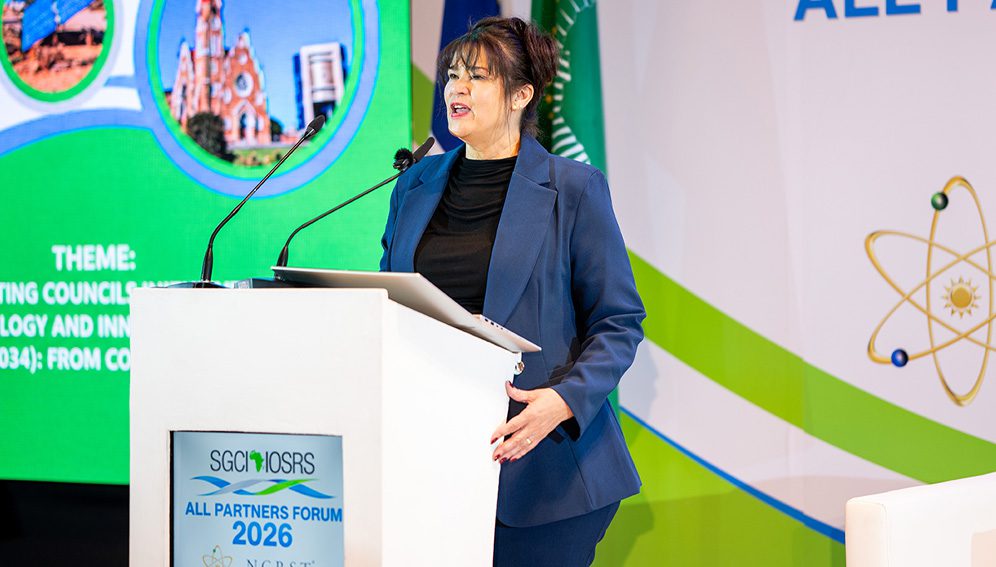
Windhoek Declaration: African science funders pledge to act as one
Science granting councils say Africa’s research systems need African ownership, steadier funding and less fragmentation. Here is what they agreed in Windhoek. African science granting councils adopted a collective declaration in Windhoek, Namibia, on 1 October 2026, as part of the Science Granting Councils Initiative…
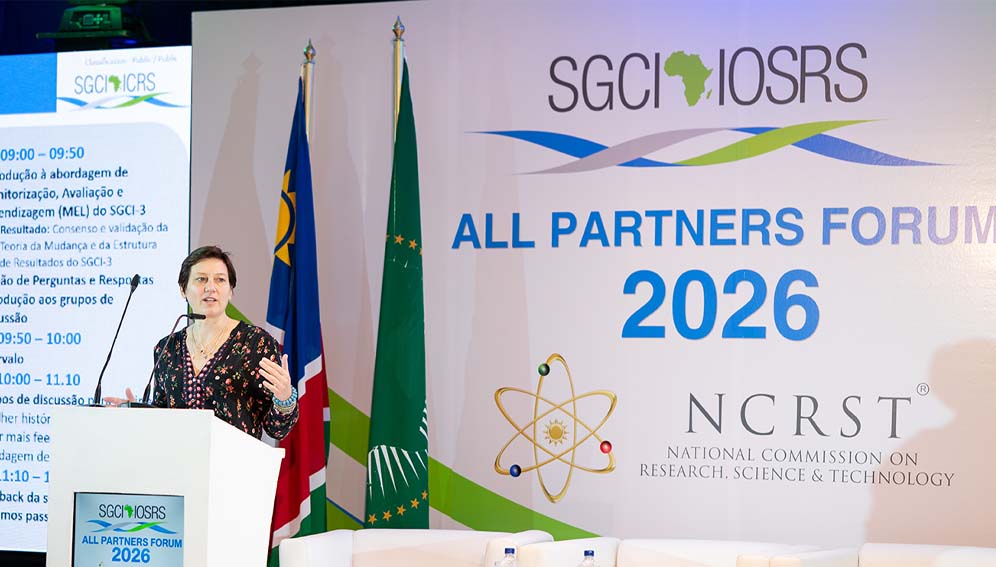
Africa’s science councils urged to turn pledges into real impact
[NAMIBIA] African countries must strengthen collaboration, invest in research and scientists, and take greater ownership of science, technology and innovation if research is to deliver lasting development impact, participants at the 2026 Science Granting Councils Initiative (SGCI) All Partners Forum have said. The call came…
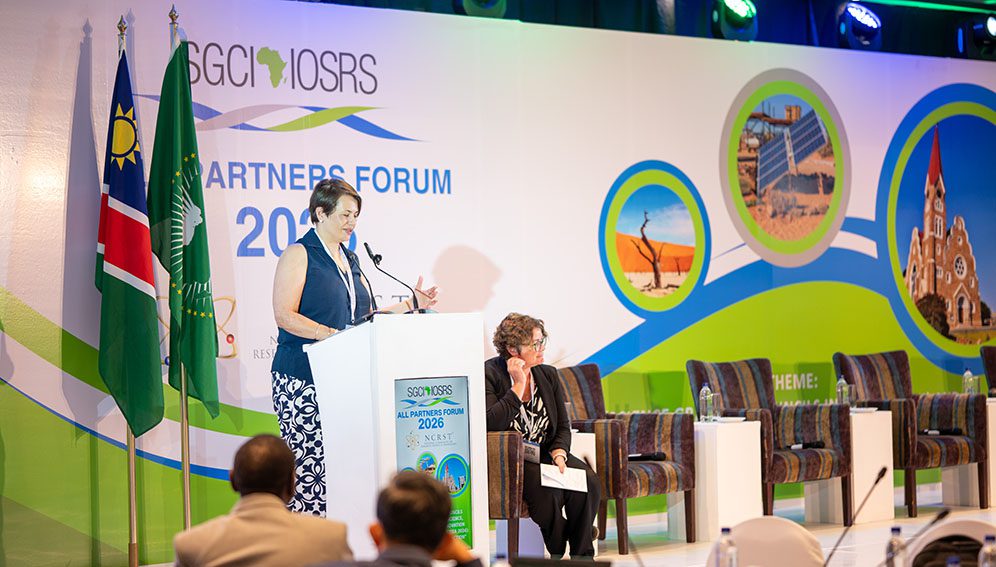
Councils urged to take ownership of SGCI-3 as forum turns to systems
[NAMIBIA]Science Granting Councils have been urged to take greater ownership of the third phase of the Science Granting Councils Initiative (SGCI-3), as partners turned their attention to the institutional systems and partnerships needed to translate the initiative’s ambitions into results. The call came during Day…
Research and Resources

SGCI funded projects
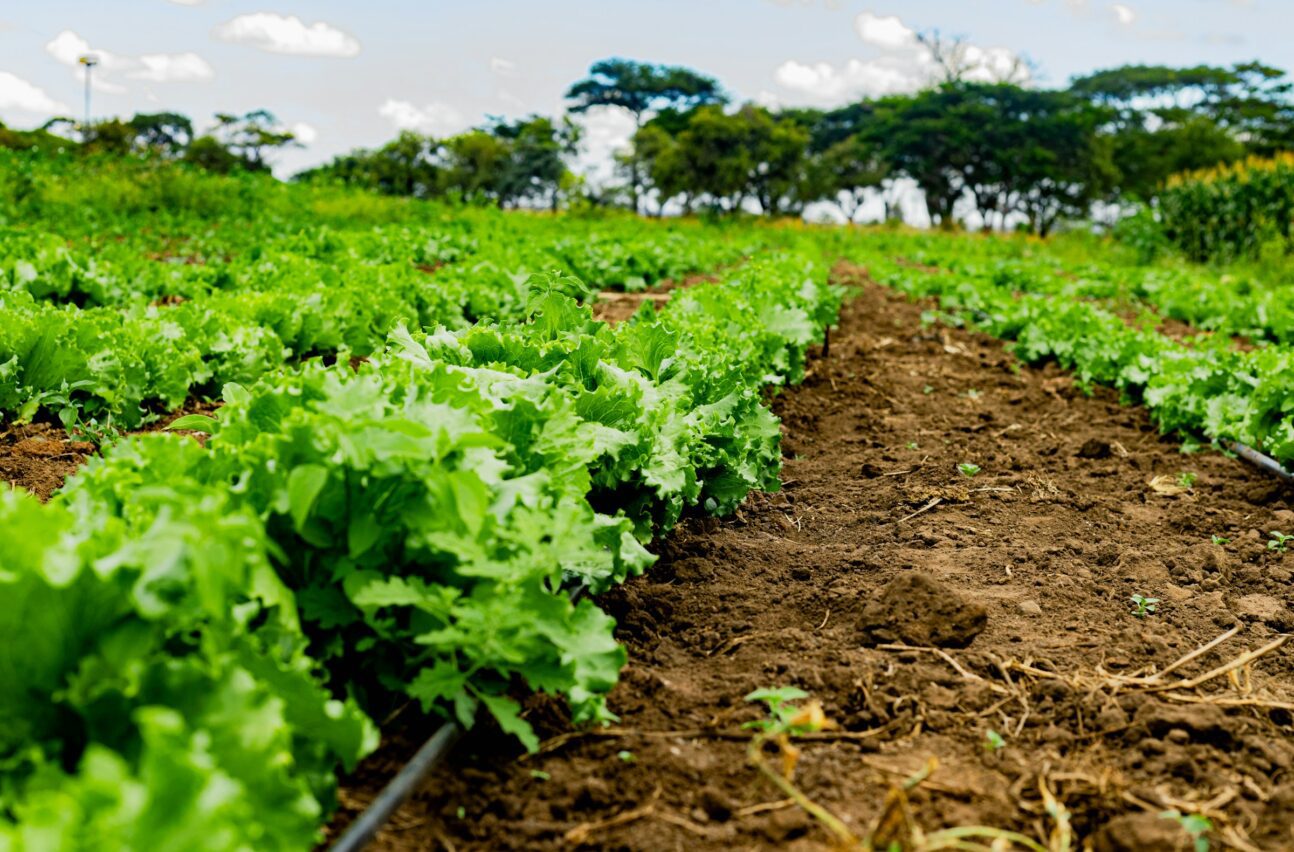
Rwanda’s integrated approach to sustainable agriculture and nutrition
Project Titles & Institution Areas of Research Number of Projects being funded Project Duration Grant Amount In-Kind Distribution Council Collaboration with other councils