
SGCI News
African Science Granting Councils are learning to maximise people management for better science, technology and innovation policy. Speed read Science Granting Councils focus on digital transformation People management key Investing…
African Science Granting Councils are learning to maximise people management for better science, technology and innovation policy.
| Speed read |
| Science Granting Councils focus on digital transformation |
| People management key |
| Investing in human capital development will maximise effectiveness of digital tools |
By Elna Schütz
[JOHANNESBURG] People management is the foundation of a successful digital transformation, according to facilitators at a masterclass for researchers at African Science Granting Councils (SGCs).
The workshop, held last week (25 March), was hosted by the evidence-based policy (Evi-Pol) team at the South African Human Sciences Research Council’s Centre for Science, Technology and Innovation Indicators (CeSTII), to equip researchers with strategies for navigating the digital transformation and developing evidence-based Science, Technology and Innovation (STI) policies.
“One of the biggest problems we found with data governance and data management systems is that we all know we have the tools to digitalize our processes, and know how important it is, but we don’t always have the capabilities,” Glenda Kruss Van Der Heever, executive head of CeSTII, said.
According to Van Der Heever, even though some SGCs may have access to the technical tools they need, they face significant challenges as a result of staff and financial constraints. She said this reflected a knowledge gap between having the tools and the ability to use them well.
At the workshop, council members from various African countries highlighted poor infrastructure, lack of qualified staff, and financial constraints as the challenges they face, but agreed people management was the persistent challenge for all councils.

Idon-Nkhenso Sibuyi, Evi-Pol specialist consultant and senior technical advisor at Anova Health Institute, a South African NGO, said investing in people was paramount to addressing this challenge and unlocking the full benefit of digital transformation and evidence-based policy initiatives.
He pointed out that effective leadership training and staff development programs could yield significant benefits.
Sibuyi explained that, while digital transformation was about technology, it was also about managing processes, people, and the technology.
“Digital transformation is a journey, and continuous learning and adaptation are essential for success,” he said. “Managing the change takes 80 per cent [of the work].”
Sibuyi said once people are trained and managed effectively, evidence-based policy development will be effective.
Darryn Whisgary, CeSTII’s research manager, explained that a data-driven and evidence-based approach to making policies was crucial for SGCs because of their key role in the science, technology, innovation and research landscapes of their countries.
“Evi-Pol supports SGCs to manage these multiple mandates and act as effective STI policy champions,” he said.
Whisgary said councils should “create a council-specific roadmap to digital transformation through training and coaching support … and connect with other councils to benefit from knowledge exchange and peer learning.”
Martin Mayembe, program officer for the Documentation and Information Technology Unit at the National Science and Technology Council (NSTC) in Zambia, said his main takeaway from the workshop was that having a digital transformation strategy was crucial.
“The digital transformation goes beyond digitizing processes and data [and] … hinges a lot more on managing organizational shifts in culture,” he said, adding that his organisation was in the process of a digital transformation, so the workshop provided an opportunity for peer learning.
The CeSTII Evi-Pol team said the workshop was part of an ongoing process to support SGCs through more workshops and masterclasses, as well as coaching sessions. “Evi-Pol supports SGCs to manage these multiple mandates and act as effective STI policy champions,” Whisgary said.
SGCI is a multilateral initiative established to strengthen the institutional capacities of public science funding agencies in Sub-Saharan Africa to support research and evidence-based policies that will contribute to economic and social development.
Councils
- Fonds National de la Recherche et de I’Innovation pour le Developpment (Burkina Faso)
- Fonds pour la Science, la Technologie et l’Innovation (FONSTI) Côte d’Ivoire
- Fundo Nacional de Investigação (Mozambique)
- Ministère de l’Enseignement supérieur, de la Recherche et de I’Innovation (Senegal)
- Ministry of Environment, Science, Technology and Innovation Ghana
- Ministry of Science and Technology (Ethiopia)
- Ministry of Technical and Higher Education (Sierra Leone)
- Ministry of Tertiary Education, Research, Science and Technology (Botswana)
- National Council for Science and Technology (Rwanda)
- National Council for Science and Technology (Zambia)
- National Commission on Research Science and Technology (Namibia)
- National Commission for Science and Technology (Malawi)
- National Research Fund (Kenya)
- Research Council of Zimbabwe
- Tanzania Commission for Science and Technology
- Tertiary Education Trust Fund (Nigeria)
- Uganda National Council for Science and Technology
Categories
Related News
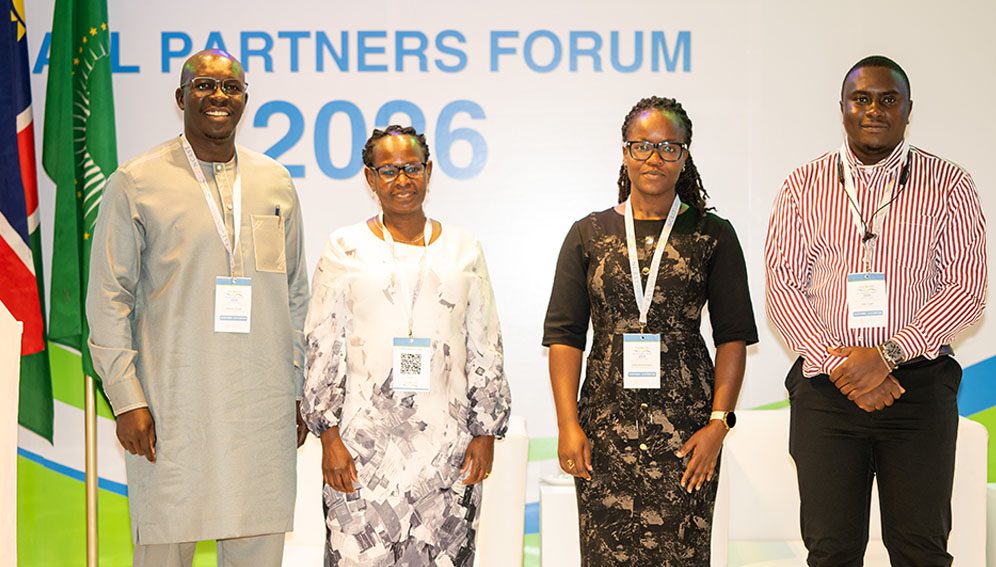
Voices from the SGCI Forum: Building an African-led science system
From calls for African-led research funding to stronger engagement with communities and governments, participants at the 2026 Science Granting Councils Initiative (SGCI) All Partners Forum left Windhoek with a shared sense that Africa’s science and innovation systems are entering a new phase. Held from 28…

NRF champions science, climate action and youth empowerment
Kenya’s National Research Fund (NRF) is strengthening efforts to connect scientific research, innovation and youth participation with practical responses to climate and environmental challenges. NRF chief executive officer Dickson Andala represented the fund at the launch of the Climate Policy and Advocacy Training – Cohort…
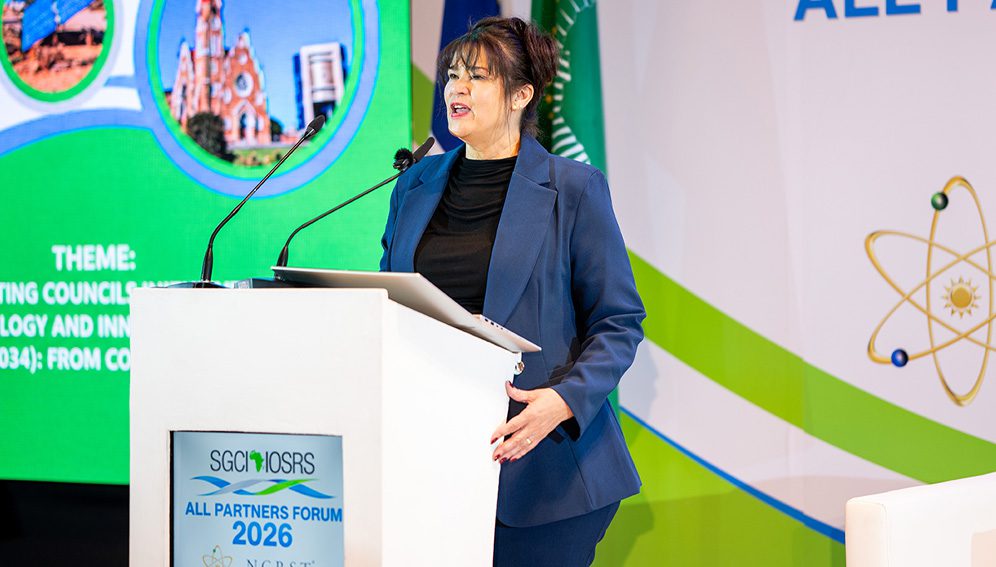
Windhoek Declaration: African science funders pledge to act as one
Science granting councils say Africa’s research systems need African ownership, steadier funding and less fragmentation. Here is what they agreed in Windhoek. African science granting councils adopted a collective declaration in Windhoek, Namibia, on 1 October 2026, as part of the Science Granting Councils Initiative…


SGCI funded projects

Rwanda’s integrated approach to sustainable agriculture and nutrition
Project Titles & Institution Areas of Research Number of Projects being funded Project Duration Grant Amount In-Kind Distribution Council Collaboration with other councils