
Burkina Faso
Science Granting Council
Summary
Provide a secure framework for funding research and innovation activities throughout the national territory so that the results produced are truly vectors of well-being for the populations and generators of wealth and prosperity for the entire nation.
Council details
The Fonds National de la Recherche et de l’Innovation pour le Développement (FONRID) plays a vital role in advancing research and innovation in Burkina Faso. Established in 2011, FONRID provides a secure and strategic framework for funding scientific research and innovation activities across the national territory.
Its mission is clear: to ensure that research outcomes contribute meaningfully to public well-being while generating economic growth and national prosperity.
Promoting Research for National Development
FONRID began with a strong development mandate, aiming to integrate research into national policy and decision-making processes. As part of its core activities, it issues calls for research project proposals, supports capacity building, and equips laboratories across the country.
Through its initiatives, FONRID also provides support for researchers to attend scientific conferences and symposiums, boosting visibility, networking, and knowledge exchange.
Partnering with the SGCI
FONRID has participated in the Science Granting Councils Initiative (SGCI) since 2015 and formally signed a partnership agreement in 2018. This collaboration has significantly enhanced its operational capacity and reach.
SGCI support has enabled FONRID to strengthen its internal processes and launch impactful programmes focused on gender, inclusion, and diversity in research.
One notable achievement has been the integration of gender into funding mechanisms, removing barriers to access for female researchers and encouraging research on gender-related topics.
Expanding Influence Through Regional and Global Collaboration
FONRID is actively raising its profile at national, regional, and international events, amplifying its role as a key player in Burkina Faso’s innovation ecosystem. It collaborates with other science granting councils, such as in Senegal, and is actively pursuing private sector partnerships to diversify funding sources.
As part of its gender platform, FONRID has introduced initiatives to inspire young girls to pursue careers in science and research, further promoting equality and diversity in the national research landscape.
Leadership Perspective: FONRID’s Impact
In an insightful interview, Djibril Yonli, Project Leader at FONRID, shares how the institution has evolved since its inception. He highlights FONRID’s strategic contributions to Burkina Faso’s development goals and its growing impact on innovation across the African continent.
Impact we’re having
Stories of change
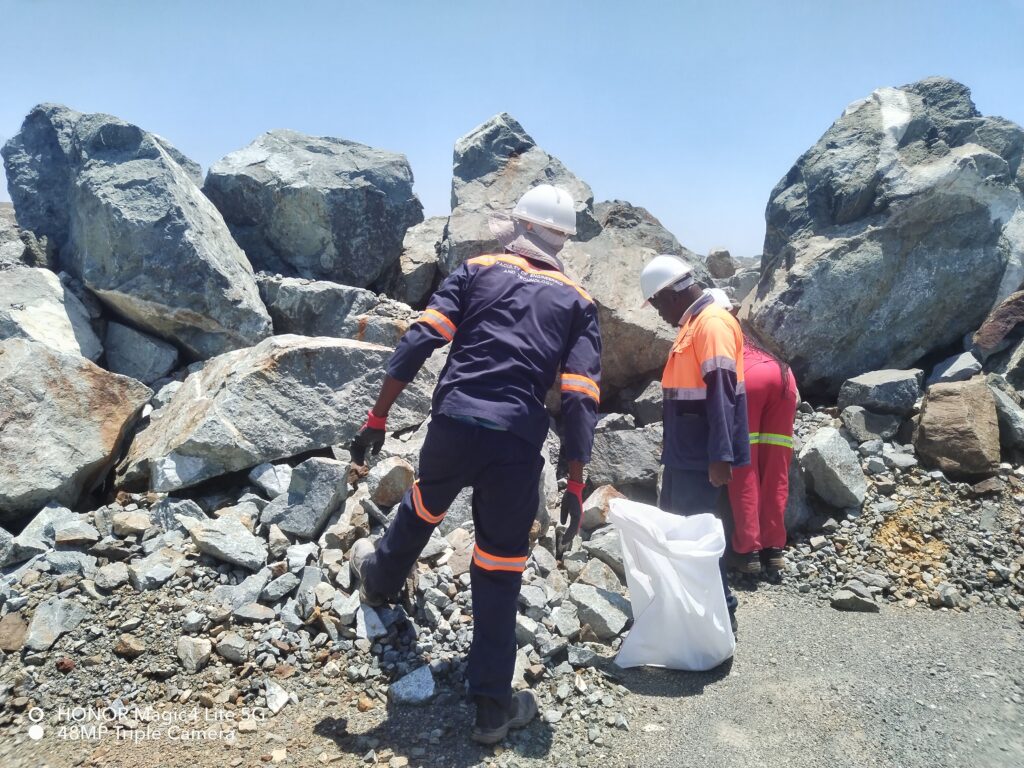
Waste at a Botswana nickel mine may hold battery metals
Researchers say waste material at a Botswana nickel mine contains viable amounts of nickel, cobalt and copper,…
SGCI funded projects

10 research projects transforming sweet potato, cassava and moringa in Burkina Faso
Project Titles & Institution Areas of Research Number of Projects being funded Project Duration Grant Amount In-Kind Distribution Council Collaboration with other councils


Related News
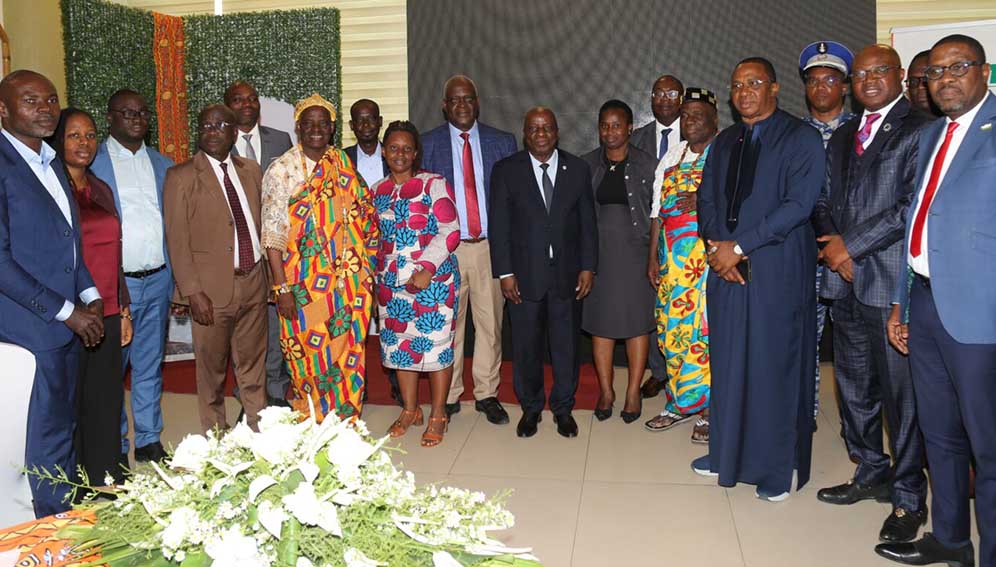
Ivorian researchers develop solutions to illegal gold mining damage
Locally developed technologies for detecting heavy metals in water and restoring contaminated farmland could help Côte d’Ivoire address the environmental and public health consequences of illegal gold mining. Illegal gold mining has affected 29 of Côte d’Ivoire’s 31 regions, threatening water resources, agricultural land and…
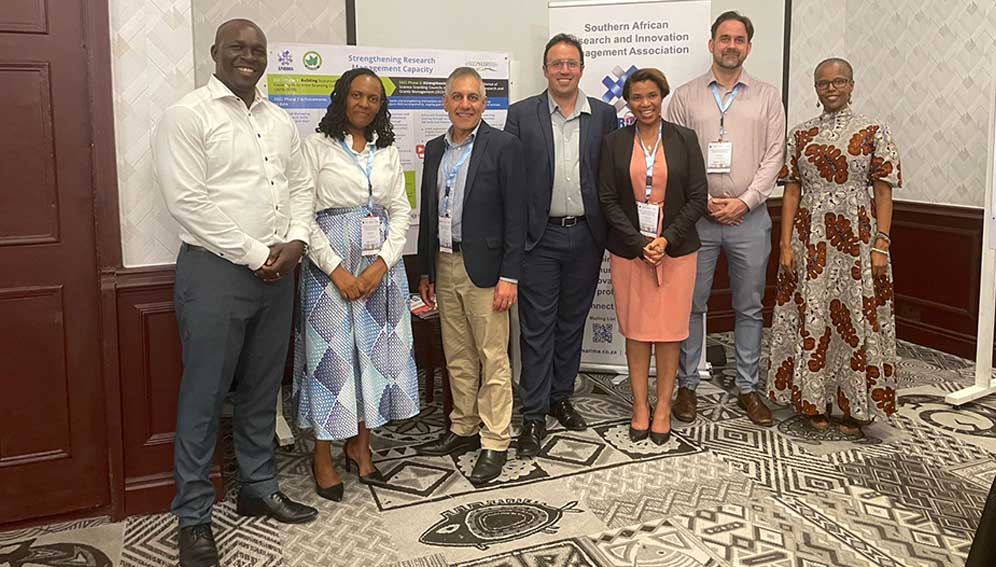
How research management is changing Africa’s science funders
A new grant appeals procedure in Zimbabwe, improved digital grant management in Namibia, and stronger gender inclusion leadership in Zambia are among the institutional changes emerging from efforts to strengthen research management across Sub-Saharan Africa. Theme one of the Science Granting Councils Initiative Phase II…
Can Rwanda’s farm waste help restore its depleted soils?
Locally developed vermicompost and biochar show promise for improving crop yields and soil health, but researchers say further testing is needed before wider adoption. The vermicompost process uses tiger worms to break down prepared organic materials into a dark, crumb-like product, while the biochar is…