Namibia
Science Granting Council
Summary
The National Commission on Research, Science and Technology (NCRST) in Namibia coordinates, monitors, and promotes research, science, and technology to drive national development and foster innovative thinking across all disciplines.
Council details
The National Commission on Research, Science and Technology (NCRST) is Namibia’s lead agency for advancing science, technology, and innovation (STI). It plays a central role in fostering a strong, inclusive research ecosystem that supports sustainable development and evidence-based transformation. By supporting research, encouraging collaboration, and aligning innovation with national goals, NCRST works to ensure that science and technology contribute to a more resilient and equitable society.
NCRST drives national progress by promoting research in high-impact areas such as artificial intelligence in healthcare, food systems, waste management, biomass, and green technologies. These sectors are vital to Namibia’s economic growth, environmental sustainability, and competitiveness within the region.
Advancing Research Through SGCI
Namibia joined the Science Granting Councils Initiative (SGCI) to strengthen its research funding and implementation capacity. Through the SGCI, NCRST has funded projects using AI-powered tools for early disease detection, improving public health systems.
In addition, Namibia has signed Memoranda of Understanding with Zambia and Zimbabwe. These agreements support co-funding and joint implementation of research projects. This intra-African collaboration builds sustainable research ecosystems and reduces reliance on North-South partnerships.
NCRST advocates for greater national investment in research to attract international funders and boost local innovation. As a result of its active engagement, Namibia has gained visibility at the United Nations, African Union, and other global science platforms.
Strengthening Research Systems and Planning Ahead
NCRST emphasises the need to strengthen African SGCs through co-financing, financial planning, and expert exchange programmes. It also promotes the use of Fourth Industrial Revolution (4IR) technologies, especially in areas like green hydrogen and healthcare.
Namibia is also a founding member of the African Innovation Agencies Network, a new initiative that connects innovation agencies across Africa. The network supports startup incubation, knowledge exchange, and capacity building, accelerating innovation and development on the continent.
Key future priorities include expanding internal policy advisory capabilities, forging new strategic partnerships, and building a resilient national innovation framework.
Leadership Perspective: Investing in Flexible and Responsive Research
In a recent interview, Professor Anicia Peters, CEO of NCRST, emphasised the importance of flexible research funding that responds to changing national needs. She identified three essential factors to build a robust science funding system: broad funding themes, cross-country collaboration, and capacity building.
Professor Peters also stressed the importance of investing in food security, clean energy, and rare earth mineral beneficiation. These focus areas will enable Namibia to build a competitive and self-sustaining STI ecosystem.
With the support of SGCI and regional partners, NCRST continues to position Namibia as a leading force in African science and innovation.
Impact we’re having
Stories of change
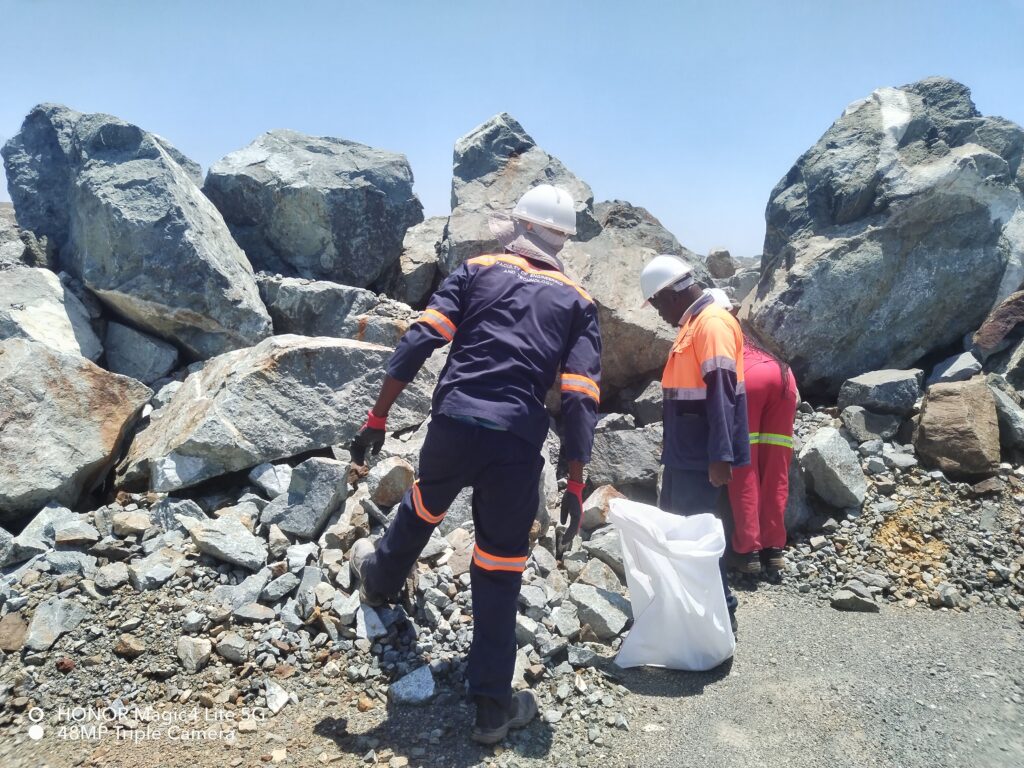
Waste at a Botswana nickel mine may hold battery metals
Researchers say waste material at a Botswana nickel mine contains viable amounts of nickel, cobalt and copper,…
SGCI funded projects
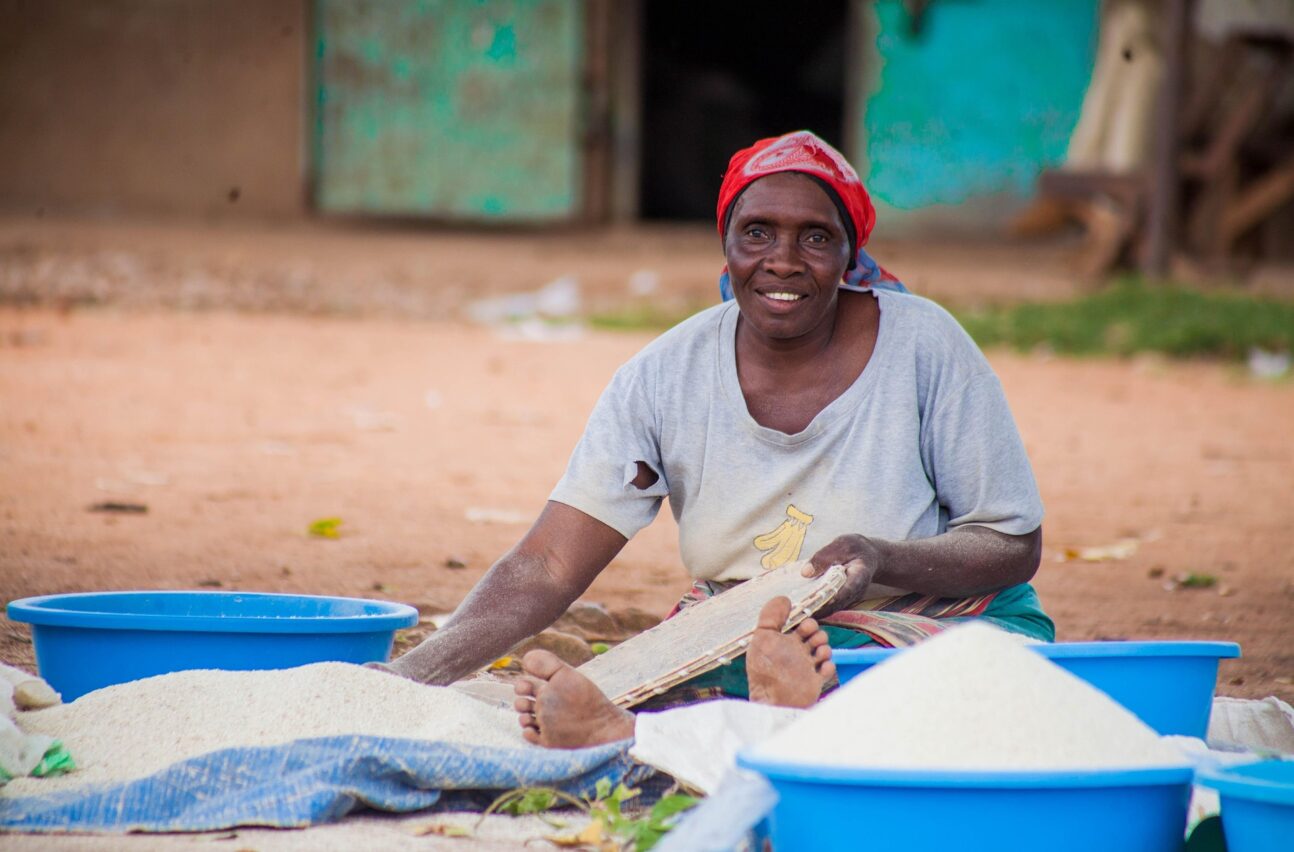
Zambia’s top researchers pioneer solutions for climate resilience, food security, economic growth
Project Titles & Institution Areas of Research Number of Projects being funded Project Duration Grant Amount In-Kind Distribution Council Collaboration with other councils

Namibia explores soil microbe biofertilizer research for sustainable agriculture
Project Titles & Institution Areas of Research Number of Projects being funded Project Duration Grant Amount In-Kind Distribution Council Collaboration with other councils


Related News
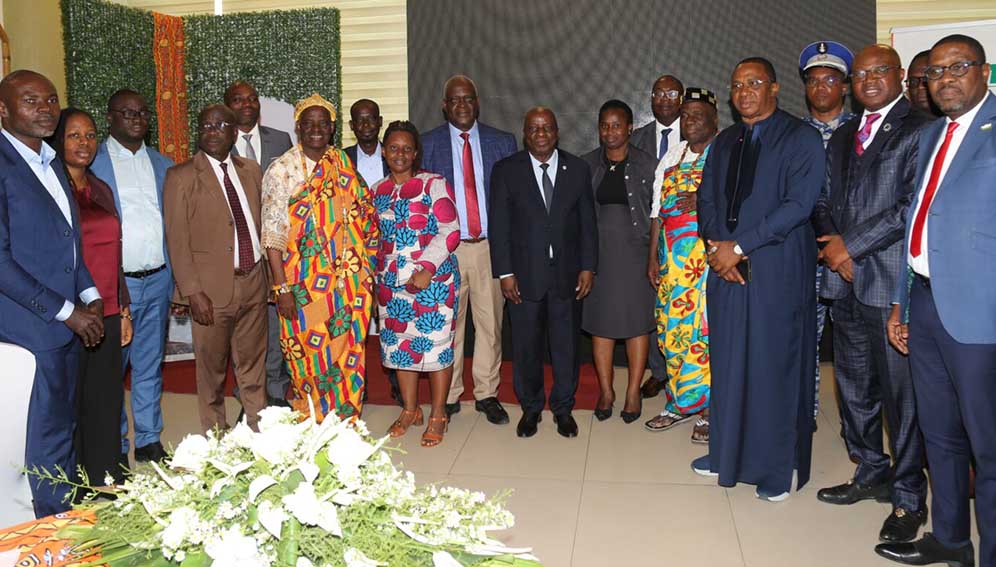
Ivorian researchers develop solutions to illegal gold mining damage
Locally developed technologies for detecting heavy metals in water and restoring contaminated farmland could help Côte d’Ivoire address the environmental and public health consequences of illegal gold mining. Illegal gold mining has affected 29 of Côte d’Ivoire’s 31 regions, threatening water resources, agricultural land and…
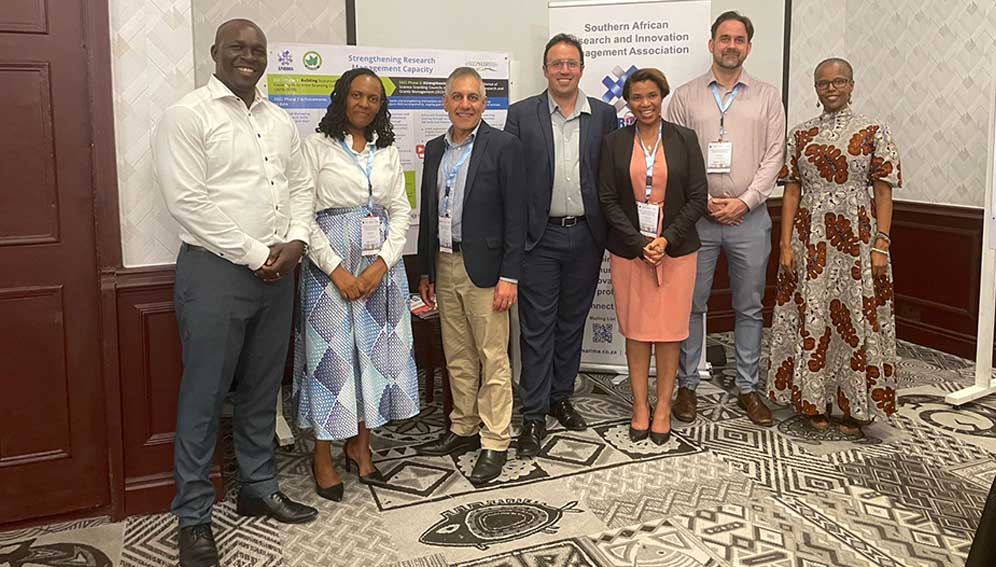
How research management is changing Africa’s science funders
A new grant appeals procedure in Zimbabwe, improved digital grant management in Namibia, and stronger gender inclusion leadership in Zambia are among the institutional changes emerging from efforts to strengthen research management across Sub-Saharan Africa. Theme one of the Science Granting Councils Initiative Phase II…
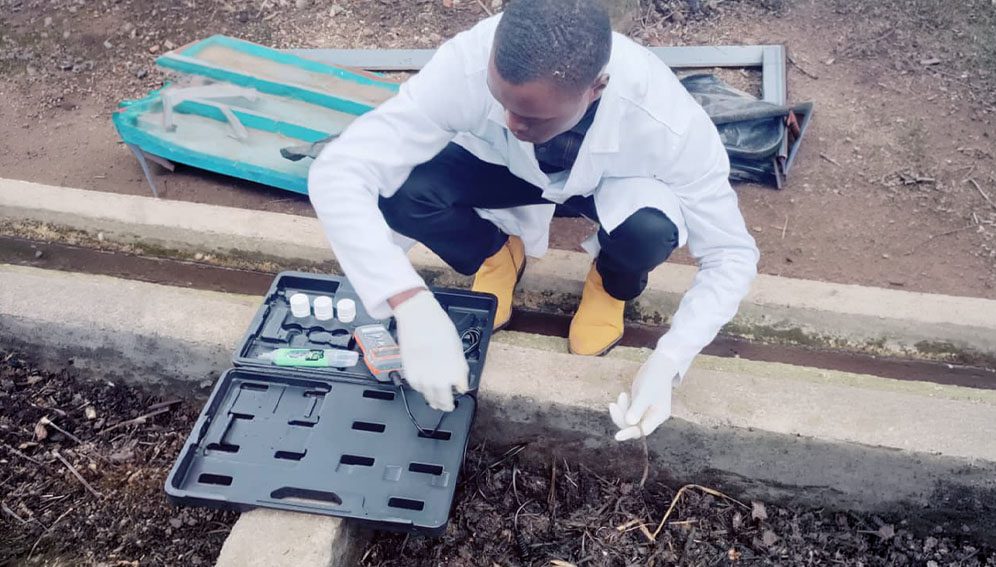
Can Rwanda’s farm waste help restore its depleted soils?
Locally developed vermicompost and biochar show promise for improving crop yields and soil health, but researchers say further testing is needed before wider adoption. The vermicompost process uses tiger worms to break down prepared organic materials into a dark, crumb-like product, while the biochar is…