
Zimbabwe
Science Granting Council
Summary
The Research Council of Zimbabwe (RCZ) was established in 1986 to promote, direct, supervise and coordinate research. One of the major functions of RCZ is advising Government on issues of research for sustainable development. RCZ also provides an exceptional forum for interaction and discussion for the mutual benefit of Government, academia and industrialists.
Council details
The Research Council of Zimbabwe (RCZ), established in 1986, plays a central role in promoting, directing, supervising, and coordinating research across the country. As a key advisor to the Government on research for sustainable development, RCZ bridges academia, industry, and policymakers. Its work fosters collaborative innovation that contributes to Zimbabwe’s socio-economic transformation.
RCZ provides a platform for dialogue between researchers, government, and the private sector. It serves as a conduit for financial and infrastructural support to encourage joint research initiatives among national research institutes and councils. As a catalyst for innovation, RCZ identifies national priority areas, consults experts, and helps develop work programmes while securing necessary resources.
To enhance its work, RCZ maintains strong partnerships with professional bodies and international centres of excellence. These collaborations are instrumental in advancing its facilitative role in national and international research efforts.
Advancing Innovation through the SGCI
As an active member of the Science Granting Councils Initiative (SGCI), RCZ has benefited from targeted funding and capacity development. With SGCI support, RCZ has strengthened its management of research calls in high-impact areas such as climate-smart technologies, artificial intelligence, renewable energy, and mining technologies.
Through SGCI, RCZ has partnered with the National Commission for Science and Technology of Malawi, Botswana’s Digital and Innovation Hub, and Tanzania’s Commission for Science and Technology to drive cross-border collaboration. These partnerships aim to build strong research ecosystems while fostering gender inclusion and private sector engagement.
RCZ has also completed over 16 SGCI-funded research projects, including those that tackle water scarcity and food insecurity by engaging tertiary institutions and local communities.
Leadership Perspective: Driving National Impact through Science
In a recent interview, Partson Chikudza, Executive Director of the Research Council of Zimbabwe, reflected on RCZ’s national role and regional impact. He emphasised how the council has become a strategic driver of Zimbabwe’s research agenda, ensuring science and innovation are central to sustainable development. Through SGCI collaborations, RCZ continues to scale up its influence and promote research that delivers tangible results for the people of Zimbabwe and beyond.
Impact we’re having

Stories of change
Low-tech health app engages
Five years after its launch, PENSA – a mobile app developed in Mozambique— has been accessed by…
SGCI funded projects

Namibia explores soil microbe biofertilizer research for sustainable agriculture
Project Titles & Institution Areas of Research Number of Projects being funded Project Duration Grant Amount In-Kind Distribution Council Collaboration with other councils

Empowering Malawi’s rural communities through renewable energy, sustainable agriculture
Project Titles & Institution Areas of Research Number of Projects being funded Project Duration Grant Amount In-Kind Distribution Council Collaboration with other councils

Zimbabwe, Botswana, and Malawi collaborate on science and technology projects
Project Titles & Institutions Areas of Research Biotechnology, mining technology, space science, digital communication technologies, climate smart technologies, AI, agro-processing and renewable energy Number of Projects being funded In-kind Distribution In-kind support (~USD 5K each) covering…
Research and Resources

Related News
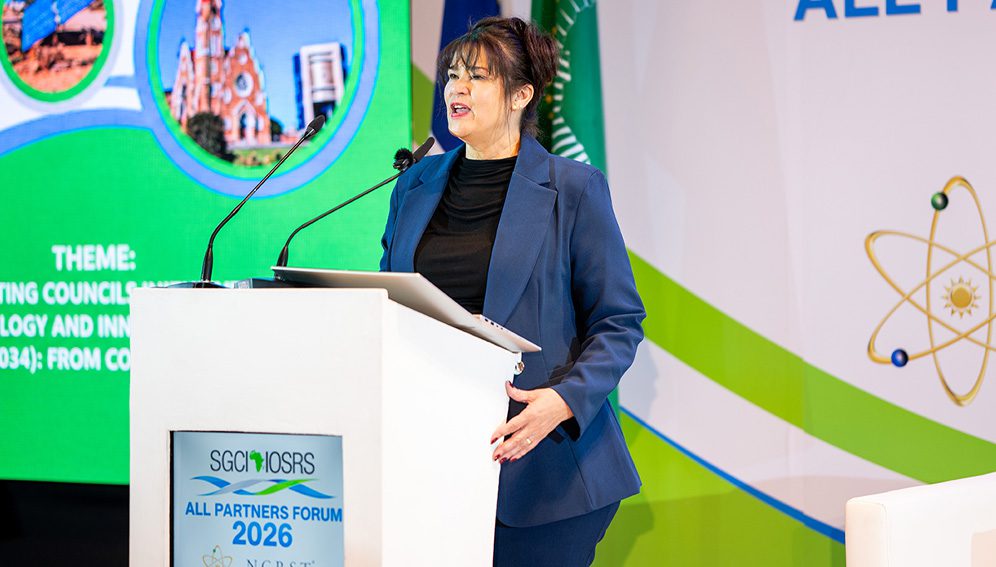
Windhoek Declaration: African science funders pledge to act as one
Science granting councils say Africa’s research systems need African ownership, steadier funding and less fragmentation. Here is what they agreed in Windhoek. African science granting councils adopted a collective declaration in Windhoek, Namibia, on 1 October 2026, as part of the Science Granting Councils Initiative…
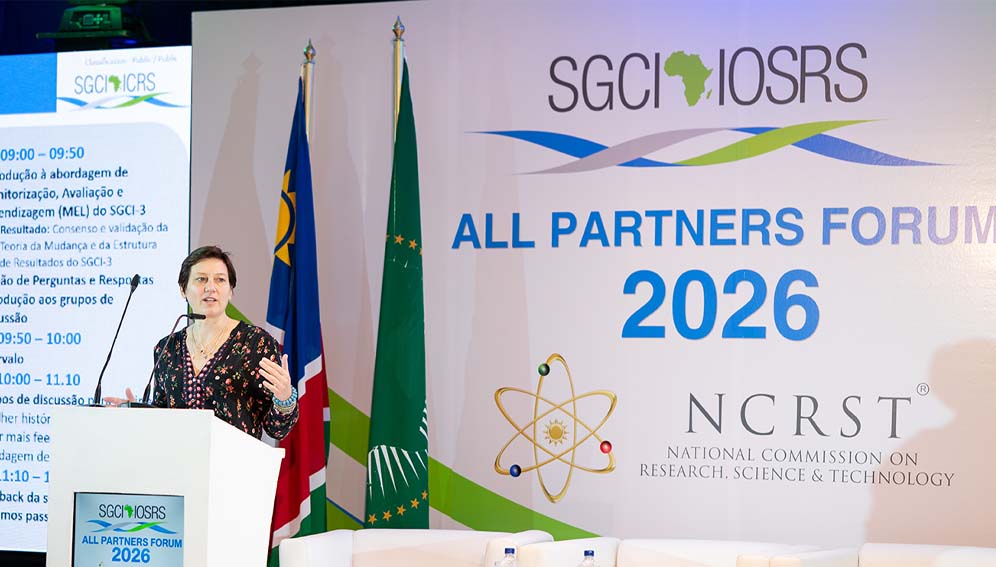
Africa’s science councils urged to turn pledges into real impact
[NAMIBIA] African countries must strengthen collaboration, invest in research and scientists, and take greater ownership of science, technology and innovation if research is to deliver lasting development impact, participants at the 2026 Science Granting Councils Initiative (SGCI) All Partners Forum have said. The call came…
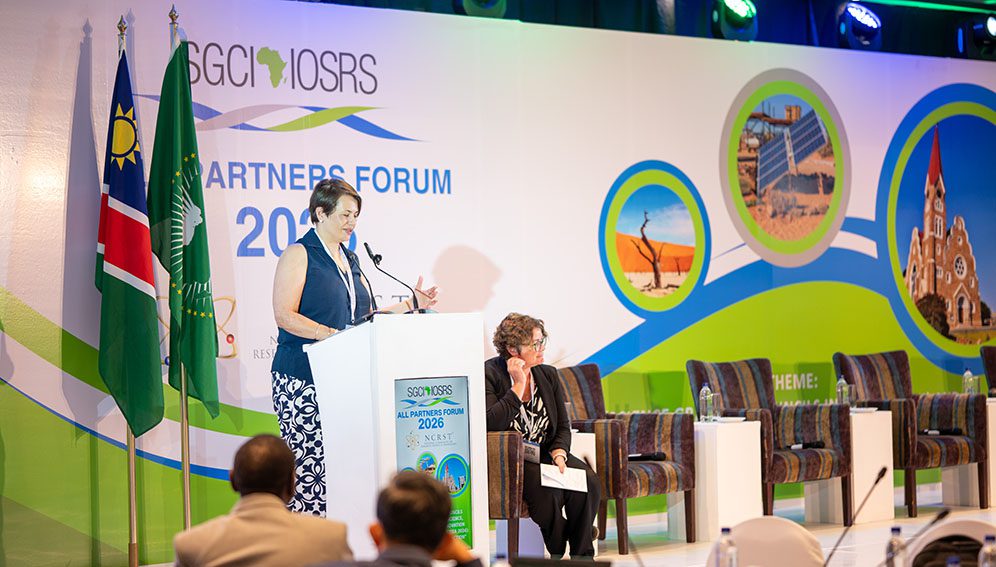
Councils urged to take ownership of SGCI-3 as forum turns to systems
[NAMIBIA]Science Granting Councils have been urged to take greater ownership of the third phase of the Science Granting Councils Initiative (SGCI-3), as partners turned their attention to the institutional systems and partnerships needed to translate the initiative’s ambitions into results. The call came during Day…