
SGCI News
Young people in Namibia are gaining practical innovation skills to tackle real-world challenges, thanks to a hands-on programme led by the National Commission on Research, Science and Technology (NCRST). From…
Young people in Namibia are gaining practical innovation skills to tackle real-world challenges, thanks to a hands-on programme led by the National Commission on Research, Science and Technology (NCRST).
From 13 to 17 July 2026, the NCRST, in partnership with the Namibia Chamber of Environment (NCE), hosted the Learners Can Innovate (LCI) Workshop at Tangeni Shilongo Namibia under the Open Doors Education Centre (ODEC) in Swakopmund.
The five-day workshop brought together 25 learners from Grades 8 to 12 to strengthen their creativity, critical thinking and problem-solving abilities through practical innovation training.
Participants were introduced to design thinking, teamwork and innovation methodologies before working in groups to identify environmental challenges affecting their schools and communities. They then designed, built and tested prototypes aimed at addressing these local issues, demonstrating how science, technology and innovation can be applied to create practical solutions.
The initiative is NCRST’s commitment to cultivating the next generation of innovators by equipping young people with the skills to address environmental and societal challenges. Beyond encouraging creativity, the programme also helps learners develop collaboration and leadership skills that are increasingly important in today’s knowledge-based economy.
By exposing learners to real-world problem-solving at an early stage, the workshop supports Namibia’s broader efforts to strengthen science, technology, engineering, arts and mathematics (STEAM) education while inspiring greater participation in research and innovation.

The workshop also prepares participants for future opportunities, including the National Science Fair and other STEAM programmes that provide young innovators with platforms to showcase their ideas and contribute to sustainable development.
Ready to contribute to Africa’s science and innovation future?
The SGCI-STISA-2034 Multilateral Research Call is supported through a partnership of African Science Granting Councils, the International Development Research Centre (IDRC), the Government of Norway, the UK’s Foreign, Commonwealth & Development Office (FCDO), and Wellcome.
By aligning its investments with STISA-2034, SGCI is helping transform Africa’s science and innovation ambitions into practical action, supporting research that advances knowledge and contributes to policies, technologies and solutions that improve lives across the continent.
Researchers and eligible institutions are invited to explore the SGCI-STISA-2034 Multilateral Research Call, connect with potential partners through the Research Matchmaking platform, and submit expressions of interest.
Researchers are encouraged to build strong partnerships and prepare their Expressions of Interest ahead of the 25 September 2026 deadline.
Visit the link below to learn more about the opportunity, eligibility requirements, and application process:
Please check out the stories and let us know what you think. We would love to hear from you!
Let’s continue the conversation on our social media
Published on 23 July 2026
By Jackie Opara-Fatoye
Related News
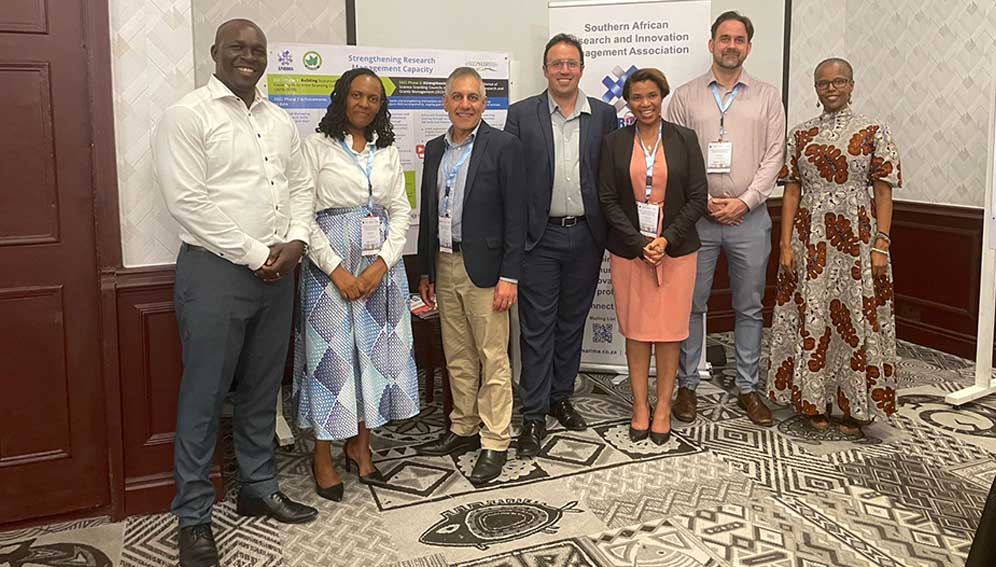
How research management is changing Africa’s science funders
A new grant appeals procedure in Zimbabwe, improved digital grant management in Namibia, and stronger gender inclusion leadership in Zambia are among the institutional changes emerging from efforts to strengthen research management across Sub-Saharan Africa. Theme one of the Science Granting Councils Initiative Phase II…
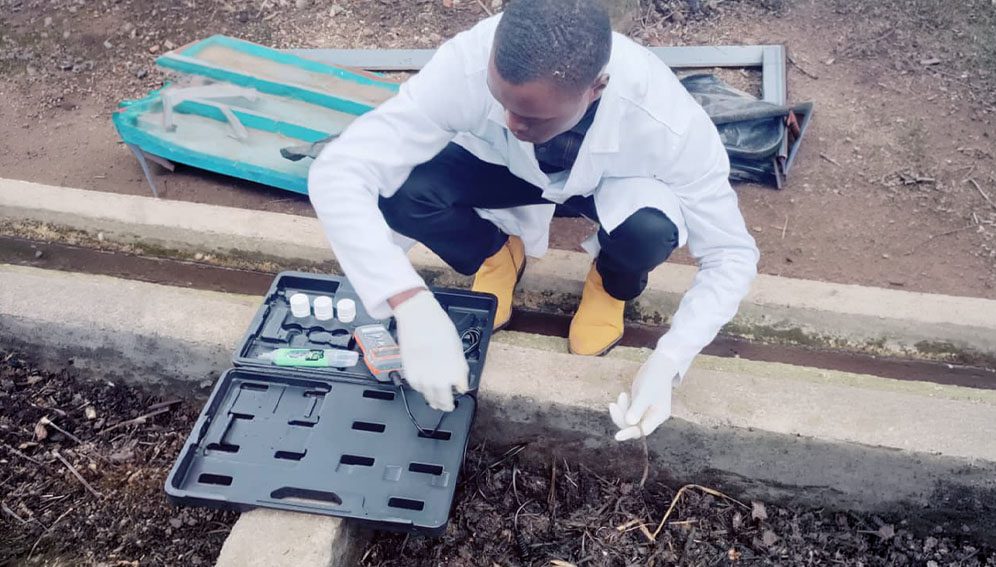
Can Rwanda’s farm waste help restore its depleted soils?
Locally developed vermicompost and biochar show promise for improving crop yields and soil health, but researchers say further testing is needed before wider adoption. The vermicompost process uses tiger worms to break down prepared organic materials into a dark, crumb-like product, while the biochar is…
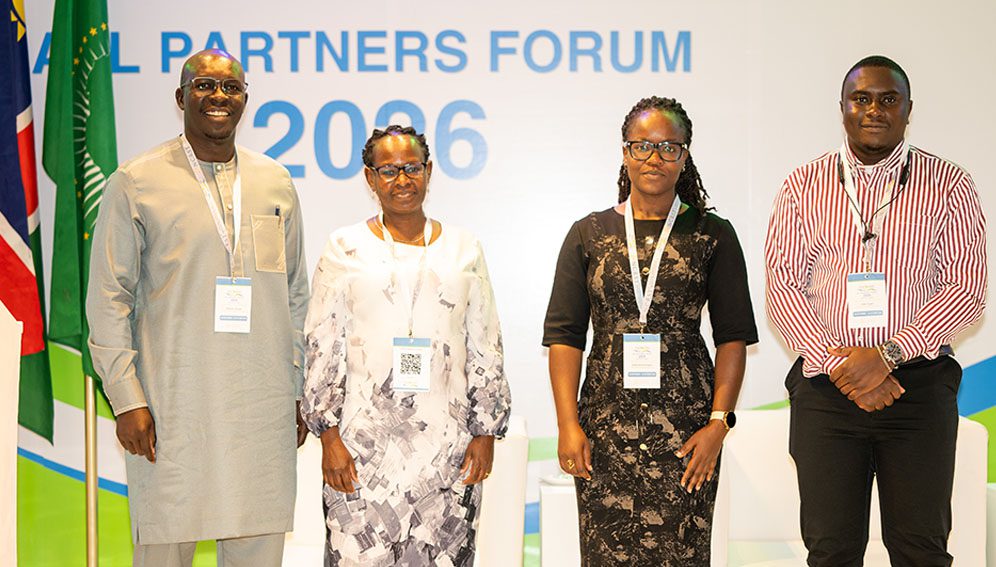
Voices from the SGCI Forum: Building an African-led science system
From calls for African-led research funding to stronger engagement with communities and governments, participants at the 2026 Science Granting Councils Initiative (SGCI) All Partners Forum left Windhoek with a shared sense that Africa’s science and innovation systems are entering a new phase. Held from 28…


SGCI funded projects
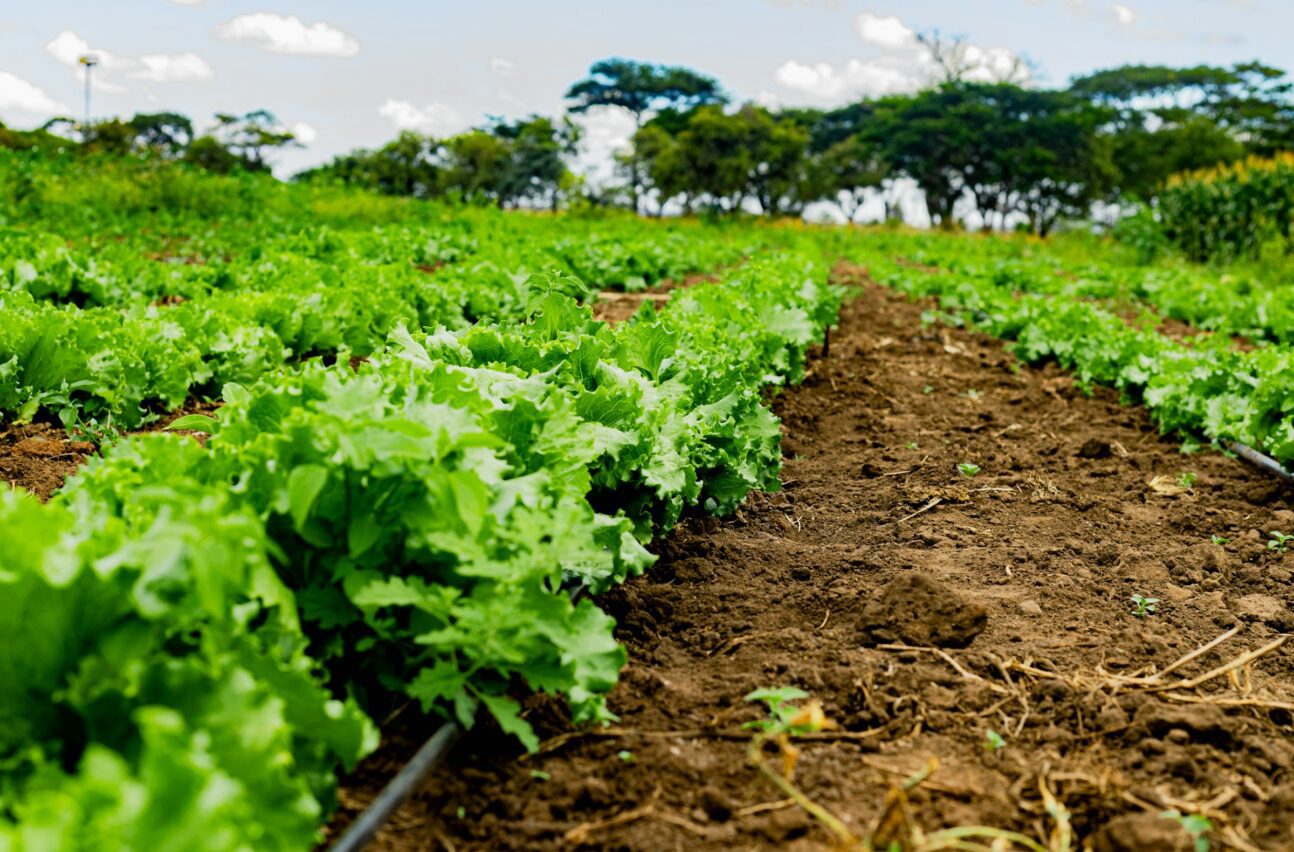
Rwanda’s integrated approach to sustainable agriculture and nutrition
Project Titles & Institution Areas of Research Number of Projects being funded Project Duration Grant Amount In-Kind Distribution Council Collaboration with other councils