SGCI News
Language plays a crucial role in education, shaping how students learn and connect with the world. Yet, according to UNESCO, 40 per cent of the global population does not have access to…
AFRICA SCIENCE FOCUS | Season 4, Episode 54
- Listen to the podcast now
Language plays a crucial role in education, shaping how students learn and connect with the world.
Yet, according to UNESCO, 40 per cent of the global population does not have access to education in a language they speak or understand.
This gap presents a significant barrier to effective learning, particularly in science education, where technical terms and complex concepts are often difficult to understand in unfamiliar languages.
In our first podcast episode of 2025, our reporter, Michael Kaloki, explores the importance of teaching science in local languages in Africa where multiple indigenous languages are spoken.
Adeyemi Ademowo, a Nigerian professor of social anthropology and African cultural studies at Afe Babalola University in Nigeria’s Ekiti state, wants to see children in rural areas taught in their local language.
Grace Kago, a Kenyan post-doctoral fellow in biomedical sciences at the University of Texas, says teaching science in indigenous languages can foster public trust in science and encourage community participation in scientific discussions.
How can multilingual education systems be implemented in countries with numerous languages? Algerian researcher Zehlia Babaci-Wilhite proposes some innovative solutions, including bilingual and multilingual education models.
Please tune in to the episode to find out how she suggests implementing this approach.
This podcast was supported by the Science Granting Councils Initiative which aims to strengthen the institutional capacities of 18 public science funding agencies in Sub-Saharan Africa.
Do you have any comments, questions or feedback about our podcast episodes? Let us know at podcast@scidev.net
Africa Science Focus is produced by SciDev.Net and distributed in association with your local radio station
Related News
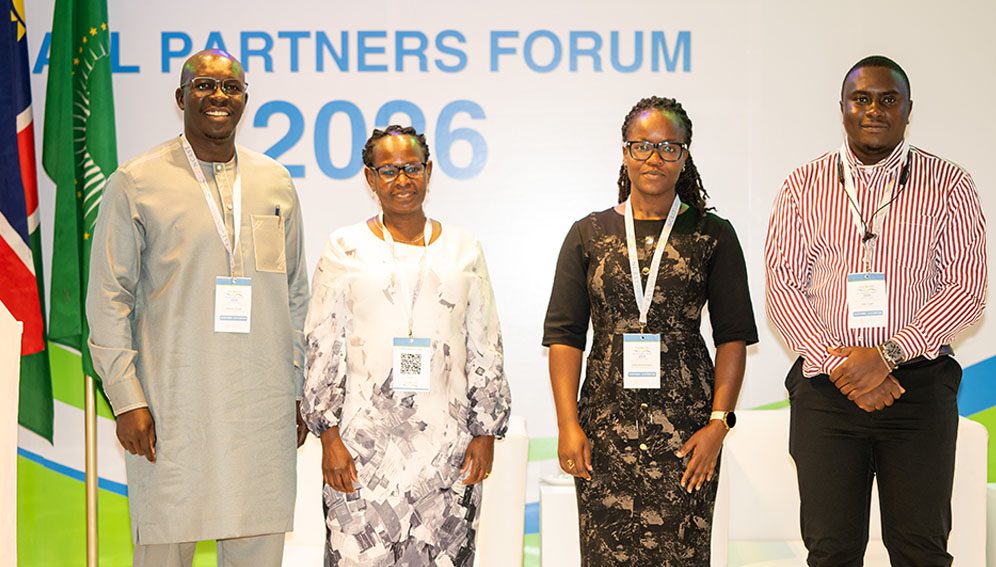
Voices from the SGCI Forum: Building an African-led science system
From calls for African-led research funding to stronger engagement with communities and governments, participants at the 2026 Science Granting Councils Initiative (SGCI) All Partners Forum left Windhoek with a shared sense that Africa’s science and innovation systems are entering a new phase. Held from 28…
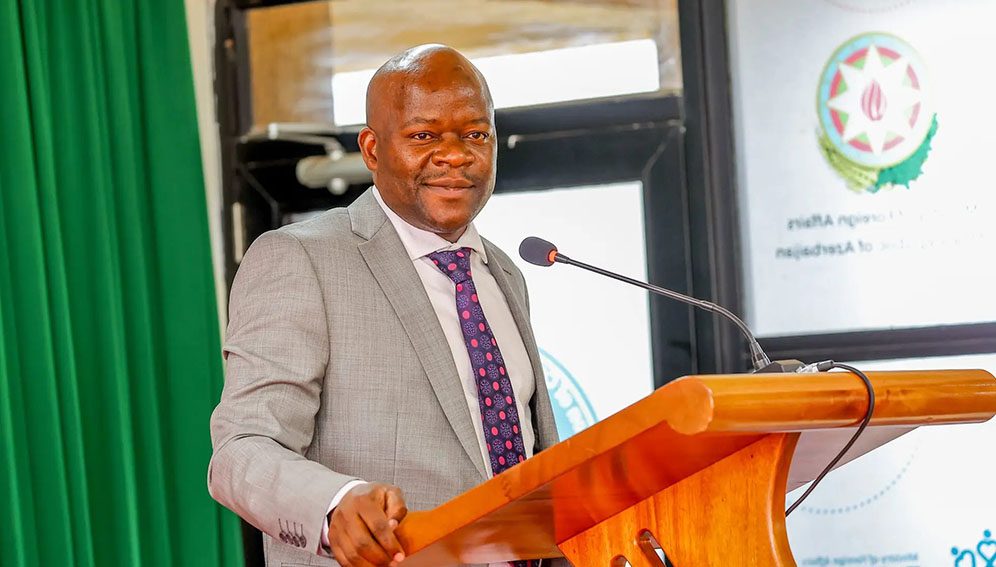
NRF champions science, climate action and youth empowerment
Kenya’s National Research Fund (NRF) is strengthening efforts to connect scientific research, innovation and youth participation with practical responses to climate and environmental challenges. NRF chief executive officer Dickson Andala represented the fund at the launch of the Climate Policy and Advocacy Training – Cohort…
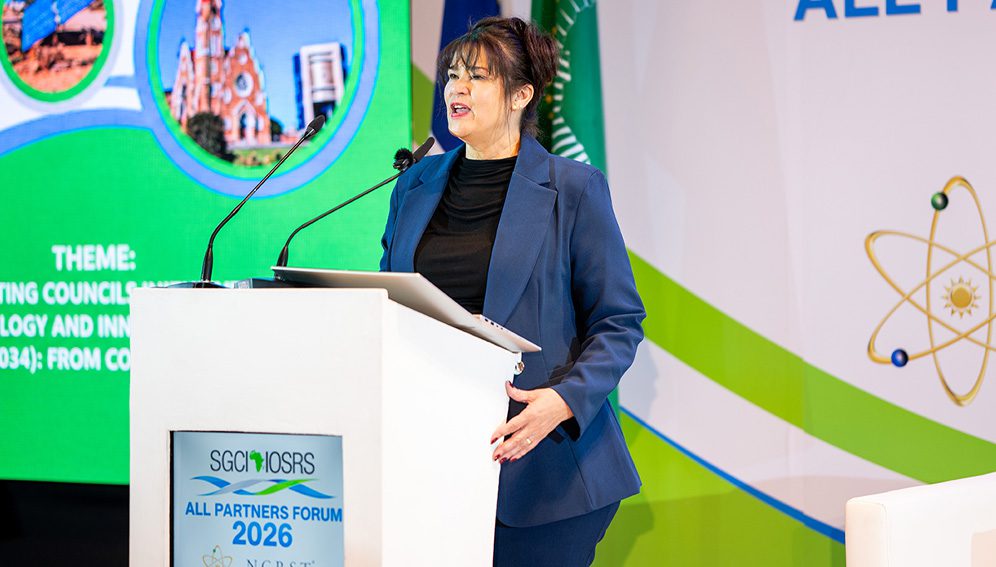
Windhoek Declaration: African science funders pledge to act as one
Science granting councils say Africa’s research systems need African ownership, steadier funding and less fragmentation. Here is what they agreed in Windhoek. African science granting councils adopted a collective declaration in Windhoek, Namibia, on 1 October 2026, as part of the Science Granting Councils Initiative…


SGCI funded projects
Rwanda’s integrated approach to sustainable agriculture and nutrition
Project Titles & Institution Areas of Research Number of Projects being funded Project Duration Grant Amount In-Kind Distribution Council Collaboration with other councils