
SGCI News
The African Centre for Technology Studies (ACTS), in collaboration with Côte d’Ivoire’s Fonds pour la Science, la Technologie et l’Innovation (FONSTI), recently convened the second annual Research and Innovation Management…
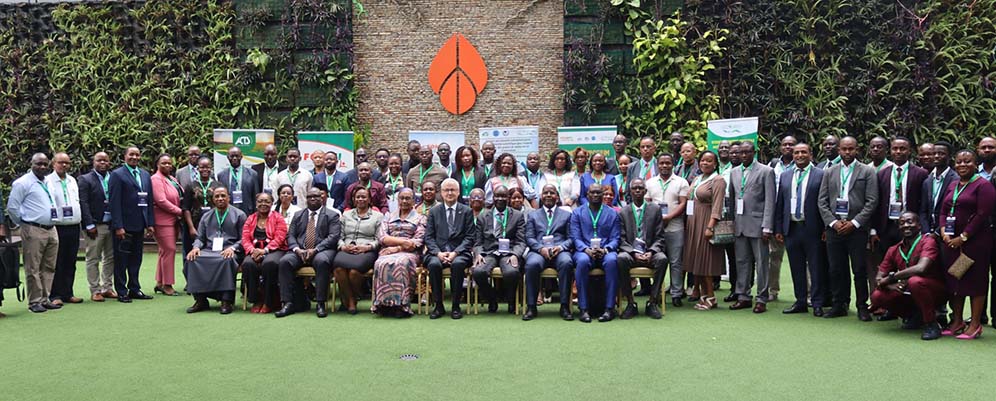
The African Centre for Technology Studies (ACTS), in collaboration with Côte d’Ivoire’s Fonds pour la Science, la Technologie et l’Innovation (FONSTI), recently convened the second annual Research and Innovation Management (RIM) Symposium in Abidjan.
The symposium gathered Science Granting Councils (SGCs), researchers, development partners, and policy leaders to take stock of progress and lessons from the ongoing RIM project, which runs from 2023 to 2025.
The RIM project is led by ACTS, the Association of African Universities, and Université Cheikh Anta Diop de Dakar (UCAD).
The project supports 17 African SGCs in improving how research is funded, managed, and aligned with national priorities.
At the core of the project is a commitment to building stronger, more inclusive research ecosystems that address development needs and advance gender equity.
RIM is part of the Science Granting Councils Initiative (SGCI) effort to strengthen national science funding institutions and support knowledge that improves lives.
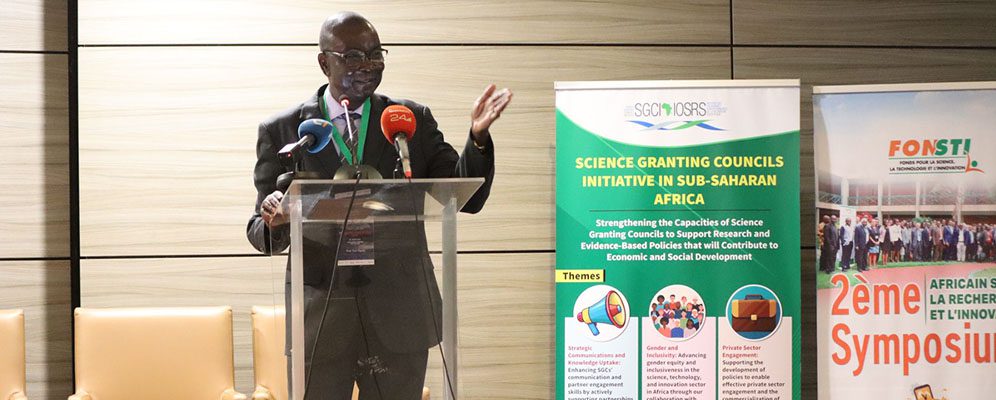
Opening remarks from FONSTI secretary general Yaya Sangaré and RIM leads Tom Ogada and Almamy Konté set the tone for the symposium.
Thematic discussions delved into agriculture in the face of climate change and gender and inclusion, addressing urgent challenges through an interdisciplinary lens.
The gender and inclusion session was facilitated by representatives from the National Commission for Science and Technology, Malawi, and the Commission for Science and Technology, Tanzania
These sessions emphasised the need to strengthen the science–policy–innovation interface across sectors and borders.
Nicholas Odongo from ACTS reflected on the journey from planning to execution, noting the emergence of a powerful movement for African-led science rooted in collaboration and shared purpose.
He highlighted how cross-border knowledge exchange, interdisciplinary partnerships, and stronger links between science, policy, and innovation are necessary.
The symposium showcased a range of impactful research innovations, including solar-powered biosensors for water purification in Nigeria, AI-driven malaria diagnostics in Ghana, and risk prediction models for maternal health in Southern Africa.
Eco-friendly tomato stalk packaging in Ethiopia, biomass energy solutions in Mozambique, and sustainable transport and pollution tracking tools innovations were also showcased.
These projects, developed in diverse African contexts, exemplify how local expertise can drive global relevance.
The symposium created a vibrant space for dialogue, collaboration, and strategic reflection. It reinforced the importance of African leadership in shaping research agendas and translating knowledge into tangible societal benefits.
As part of SGCI’s broader mission, the RIM Symposium marked another step forward in building resilient, inclusive, and responsive science systems across the continent.
Please check out the stories and let us know what you think. We would love to hear from you!
Let’s continue the conversation on our social media
Published on 8 August 2025
Related News
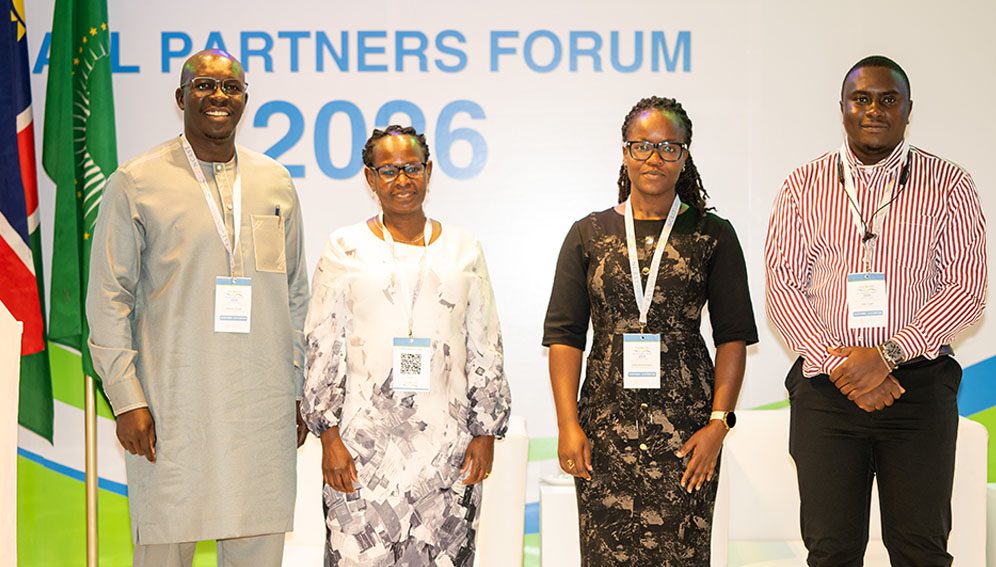
Voices from the SGCI Forum: Building an African-led science system
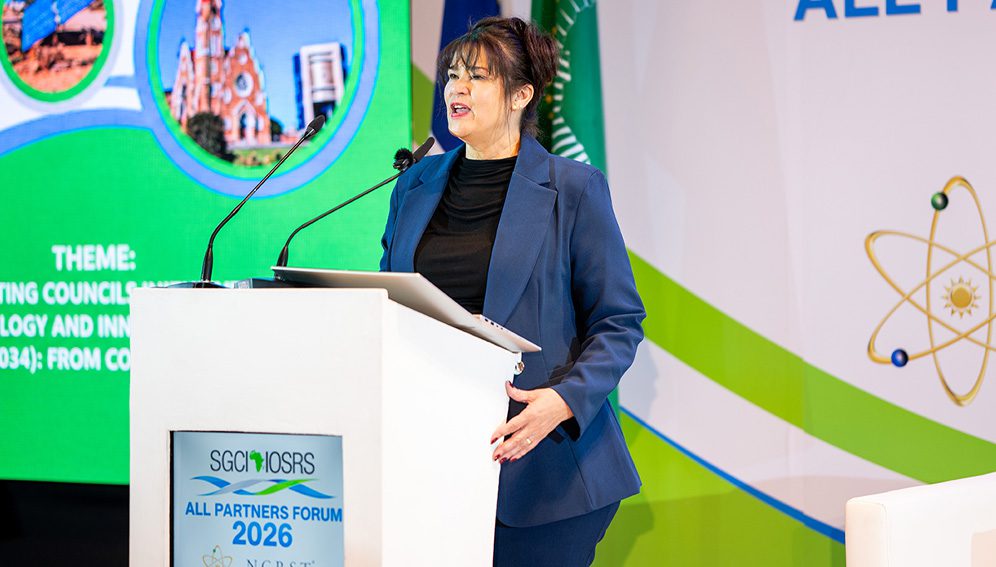
From calls for African-led research funding to stronger engagement with communities and governments, participants at the 2026 Science Granting Councils Initiative (SGCI) All Partners Forum left Windhoek with a shared sense that Africa’s science and innovation systems are entering a new phase. Held from 28…
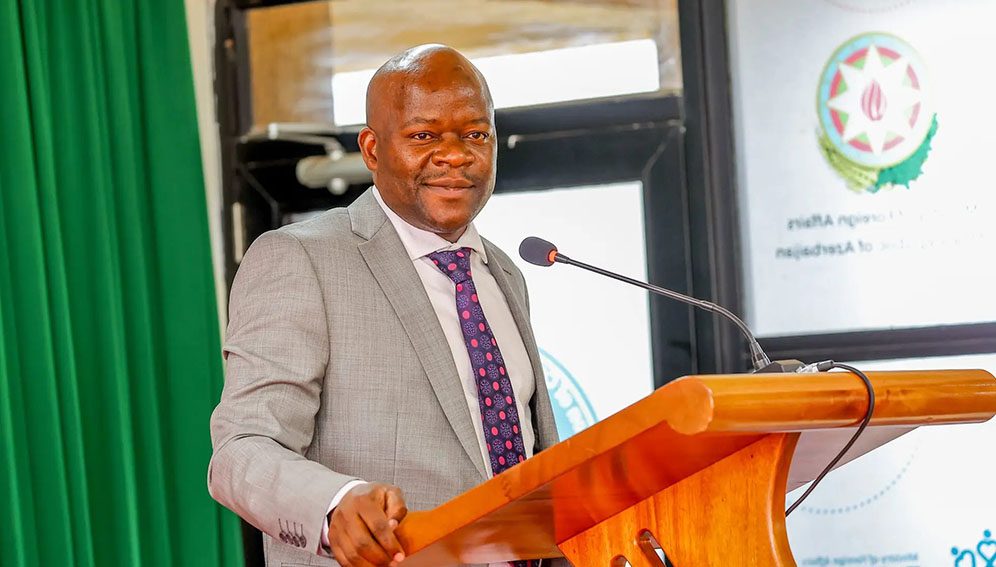
NRF champions science, climate action and youth empowerment
Kenya’s National Research Fund (NRF) is strengthening efforts to connect scientific research, innovation and youth participation with practical responses to climate and environmental challenges. NRF chief executive officer Dickson Andala represented the fund at the launch of the Climate Policy and Advocacy Training – Cohort…
Windhoek Declaration: African science funders pledge to act as one
Science granting councils say Africa’s research systems need African ownership, steadier funding and less fragmentation. Here is what they agreed in Windhoek. African science granting councils adopted a collective declaration in Windhoek, Namibia, on 1 October 2026, as part of the Science Granting Councils Initiative…


SGCI funded projects

Rwanda’s integrated approach to sustainable agriculture and nutrition
Project Titles & Institution Areas of Research Number of Projects being funded Project Duration Grant Amount In-Kind Distribution Council Collaboration with other councils