
SGCI News
The Fund for Science, Technology, and Innovation (FONSTI) has made a significant move in strengthening Côte d’Ivoire’s national research system by officially launching eight institutional policies. The polices were launched…
The Fund for Science, Technology, and Innovation (FONSTI) has made a significant move in strengthening Côte d’Ivoire’s national research system by officially launching eight institutional policies.
The polices were launched during a high-level workshop in Grand-Bassam held from 15 to 16 July under the theme “strengthening scientific governance through the structuring of FONSTI’s policies.
A cross-section of stakeholders included members of FONSTI’s board of directors and scientific council, national and international experts, university leaders, and development partners.
Vangah Hubert chaired the workshop on behalf of the Minister of Higher Education and Scientific Research.
Vangah said that the new policies represent a turning point for Côte d’Ivoire’s research system, grounding it in ethics, transparency, and performance.
Throughout the two-day workshop, participants engaged in discussions on how to embed these new frameworks across Côte d’Ivoire’s national research landscape.
On the second day, sessions delved into topics such as scientific integrity, open access to knowledge, and the protection and promotion of research outputs.
Cécile Coulibaly presented FONSTI’s open science policy, highlighting its role in democratising access to research and fostering greater transparency and reproducibility.

Yao Benjamin and Soro Yaya explored strategies for ensuring that scientific discoveries translate into solutions that meet the country’s socio-economic needs.
The African Intellectual Property Organization guided legal frameworks to protect innovation and researchers’ rights.
Discussions on conflict of interest policies, led by experts including Zeinebou Ouattara and Tra Bi Tra Eric Bienvenu, addressed the need for impartiality and credibility in funded research.
The workshop concluded with recommendations and a forward-looking discussion on implementation mechanisms.
The polices
The policies are the gender and inclusivity policy, which promotes equity and equal opportunity in research funding and participation. Anti-money laundering and counter-terrorism financing policy that will ensure institutional integrity and compliance.
Open science policy, which encourages transparency and public access to scientific results, policy on prevention and the fight against harassment that secures professional environments in research spaces.
FONSTI’s ethics charter will embed ethical principles across the research cycle. Research transfer and impact policy to boost the application of research for socio-economic development.
Intellectual property management policy recognises and protects innovations, and conflict of interest management policy ensuring objectivity and fairness in decision-making processes.
FONSTI secretary general, Mamadou Sangaré, described the policies as ethical compasses that will guide the Fund in supporting research that is useful, inclusive, and sustainable.
FONTI and SGCI – a strategic partnership for science
The policies were developed through an inclusive and consultative process supported by the Science Granting Councils Initiative (SGCI), one of FONSTI’s key technical and financial partners.
They are designed to address a wide spectrum of institutional and scientific priorities, including gender and inclusivity, research ethics, open science, intellectual property, and safe working environments.
As well as regional collaboration, funding, policy design training, and mobilising and allocating resources effectively.

Each policy reinforces FONSTI’s broader vision of a well-regulated, credible, and impactful research ecosystem.
As a member of the SGCI, FONSTI has benefited from sustained collaboration with other African science granting bodies.
It works closely with counterparts in Mozambique, Uganda, and South Africa to promote cross-border knowledge exchange, shared funding calls, and joint capacity-strengthening initiatives.
These partnerships have not only enhanced FONSTI’s operational capacity but have also fostered regional solidarity in science and innovation policy.
With the launch of these institutional policies, FONSTI reaffirms how SGCI is helping shape a more ethical, open, and high-performing research environment, one that positions Côte d’Ivoire as a model of good governance in science on the continent.
Please check out the stories and let us know what you think. We would love to hear from you!
Let’s continue the conversation on our social media
Published on 31 July 2025
Related News
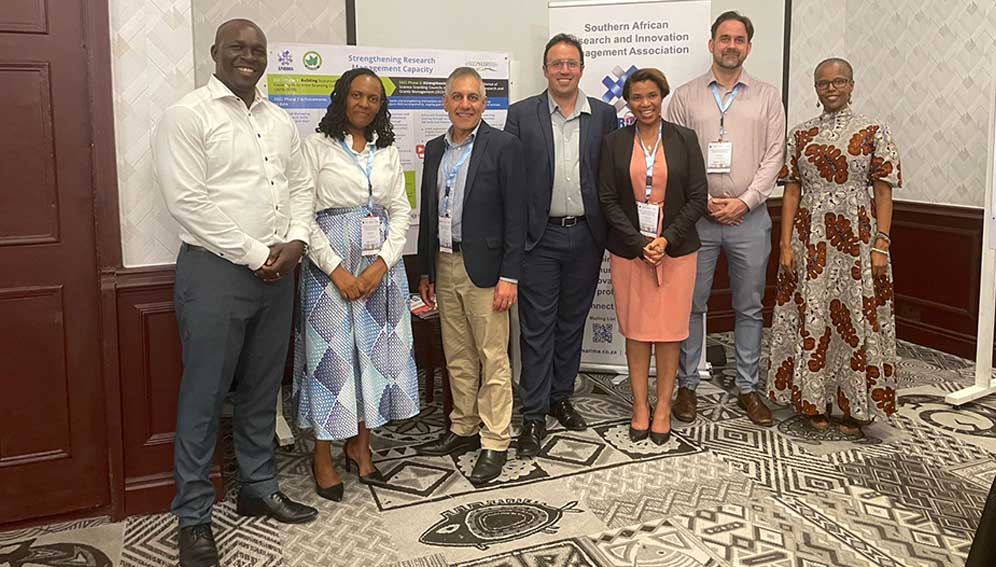
How research management is changing Africa’s science funders
A new grant appeals procedure in Zimbabwe, improved digital grant management in Namibia, and stronger gender inclusion leadership in Zambia are among the institutional changes emerging from efforts to strengthen research management across Sub-Saharan Africa. Theme one of the Science Granting Councils Initiative Phase II…
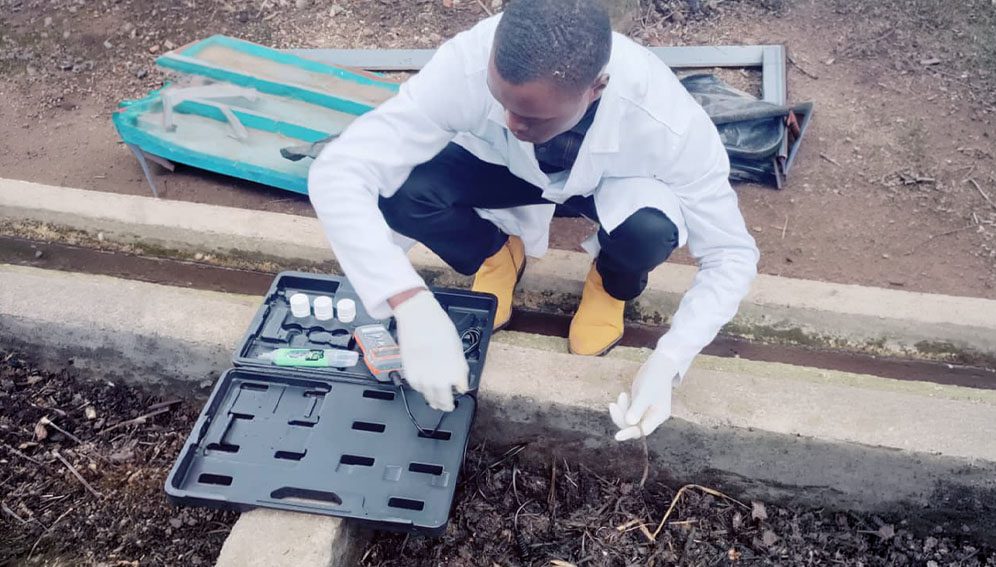
Can Rwanda’s farm waste help restore its depleted soils?
Locally developed vermicompost and biochar show promise for improving crop yields and soil health, but researchers say further testing is needed before wider adoption. The vermicompost process uses tiger worms to break down prepared organic materials into a dark, crumb-like product, while the biochar is…
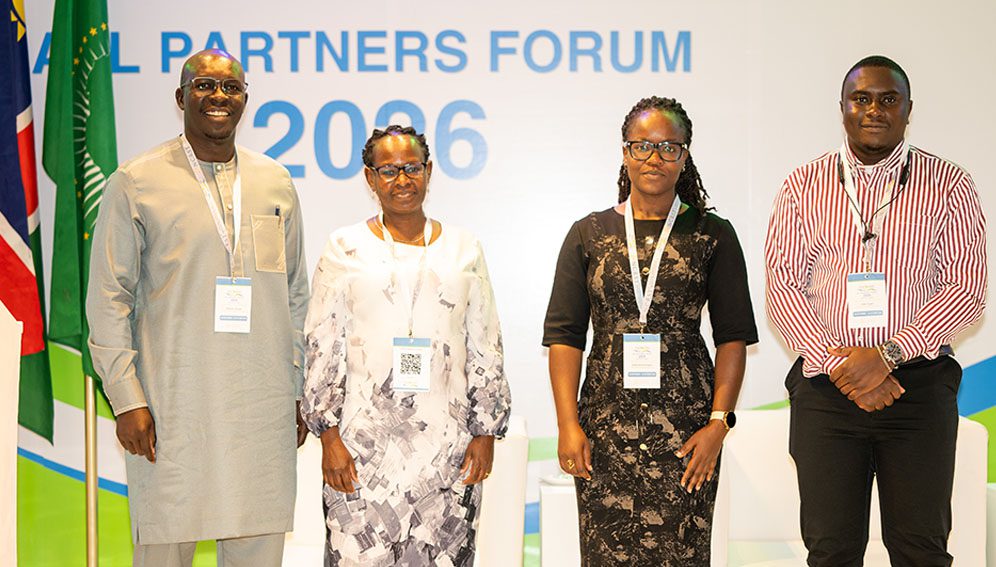
Voices from the SGCI Forum: Building an African-led science system
From calls for African-led research funding to stronger engagement with communities and governments, participants at the 2026 Science Granting Councils Initiative (SGCI) All Partners Forum left Windhoek with a shared sense that Africa’s science and innovation systems are entering a new phase. Held from 28…


SGCI funded projects

Rwanda’s integrated approach to sustainable agriculture and nutrition
Project Titles & Institution Areas of Research Number of Projects being funded Project Duration Grant Amount In-Kind Distribution Council Collaboration with other councils