
SGCI News
Across Africa, women are contributing to science, technology, engineering, and mathematics (STEM) and leading transformative projects that tackle some of the continent’s most pressing challenges. Through their work, they are…
Across Africa, women are contributing to science, technology, engineering, and mathematics (STEM) and leading transformative projects that tackle some of the continent’s most pressing challenges.
Through their work, they are breaking stereotypes, solving real-world problems, and inspiring the next generation of girls to see themselves as scientists, innovators, and changemakers.
With funding from the Science Granting Councils Initiative (SGCI), these leaders are proving that women in STEM are essential to Africa’s sustainable future.
Here are some of the women whose research projects were featured in the SGCI newsletter
Nurturing food security in Kenya
In Kenya, Professor Mary Abukutsa from Jomo Kenyatta University of Agriculture and Technology is leading the Upscaling African Indigenous Vegetables Climate Smart Technologies project.
Working in Kakamega and Kiambu counties, her team promotes the cultivation of nutrient-rich African nightshade and jute mallow using climate-smart farming techniques.
By boosting commercialisation and seed quality, Mary’s work is creating climate-resilient food systems that nourish communities while offering new income streams for farmers, particularly women growers.
Turning invasive weeds into clean energy in Ethiopia
When Yezbie Kassa saw water hyacinth choking Ethiopia’s Lake Tana, she turned a crisis into an opportunity.
Her research converts the invasive plant into biogas and natural fertiliser, improving energy access, protecting the lake’s ecosystem, and reducing women’s time spent gathering firewood.
The project has already transformed lives in pilot communities, proving that environmental challenges can spark sustainable innovation.
Fighting food waste in Ghana
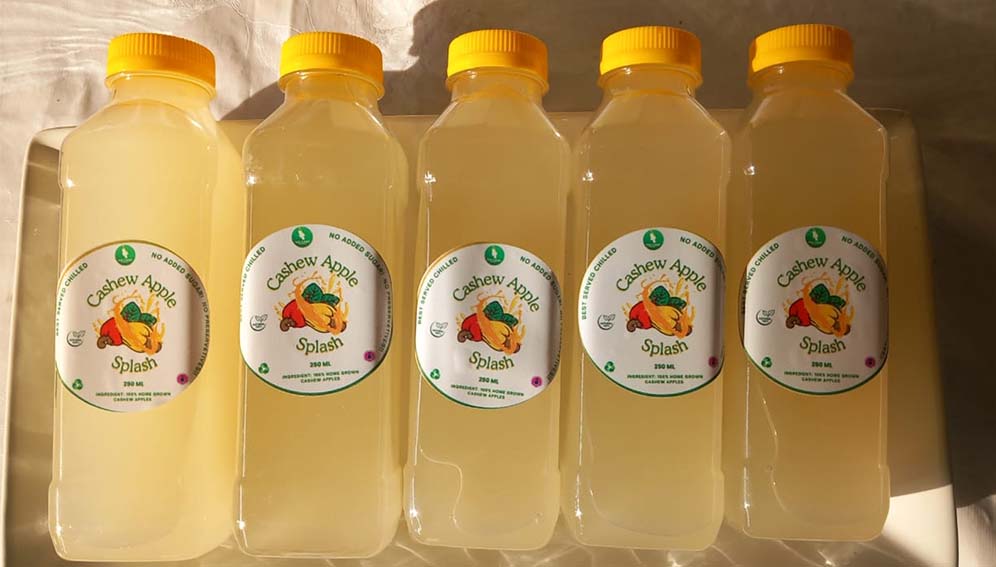
In Ghana’s Bono Region, crop scientist Francisca Aba Ansah is changing perceptions about the cashew apple – a fruit often discarded during nut harvesting.
Through the MA-CASH project, she trains young people to turn the fruit into juice, protein-rich foods, compost, and animal feed.
By reducing waste and creating income opportunities, Francisca’s work addresses food security, climate resilience, and youth employment.
Bridging rural health gaps in Ghana
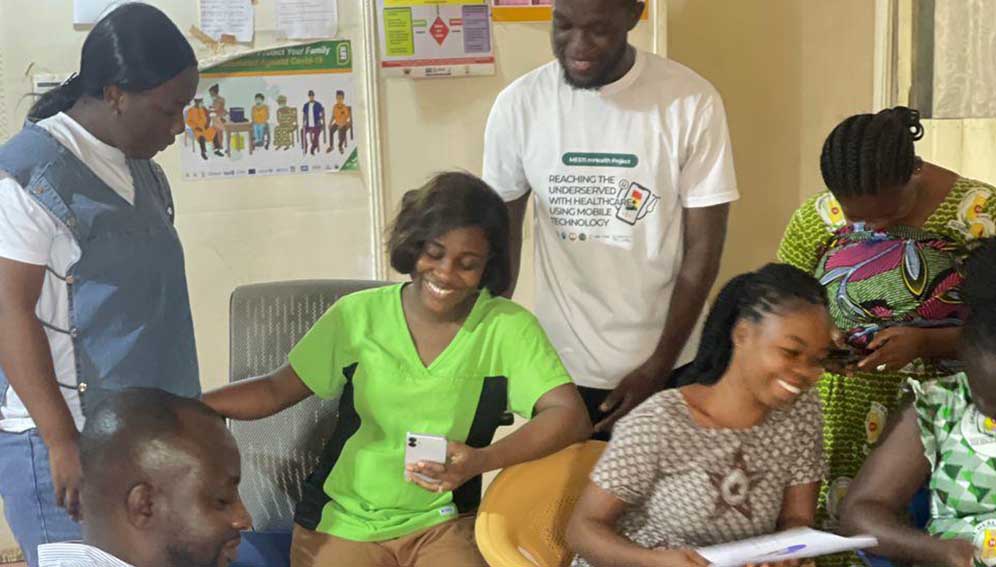
At Kwame Nkrumah University of Science and Technology, Rose-Mary Owusuaa Mensah Gyening developed the National Health Access Platform, a mobile app that helps rural communities connect to medical care.
With real-time referrals, local-language health information, and offline functionality, the app ensures no one is left behind due to geography or connectivity barriers.
Unlocking the value of bees in Uganda
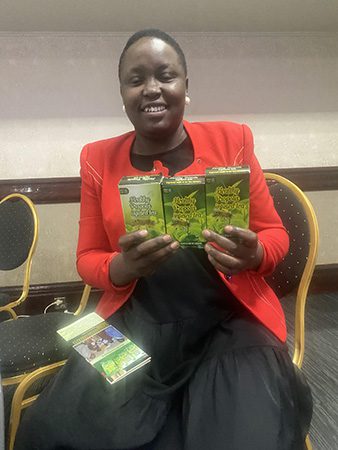
Uganda’s Deborah Amulen has pioneered the country’s first propolis powder extraction facility.
Propolis, a bee by-product with antibacterial and antioxidant properties, is now being turned into teas, cosmetics, and medicines, creating new income streams for beekeepers and reducing reliance on honey alone.
From agriculture to health technology to clean energy to STEM mentorship, these women are proof that when women lead in STEM, communities thrive. Their stories are powerful reminders to young girls everywhere: science is not only for you — it needs you.
Please check out the stories and let us know what you think. We would love to hear from you!
Let’s continue the conversation on our social media
Published on 14 August 2025
Main image caption: Farmers in Shianda Kakamega county being trained on the vegetable preservation technologies using the solar dryer and the charcoal coolant on 7 March 2025.
Related News
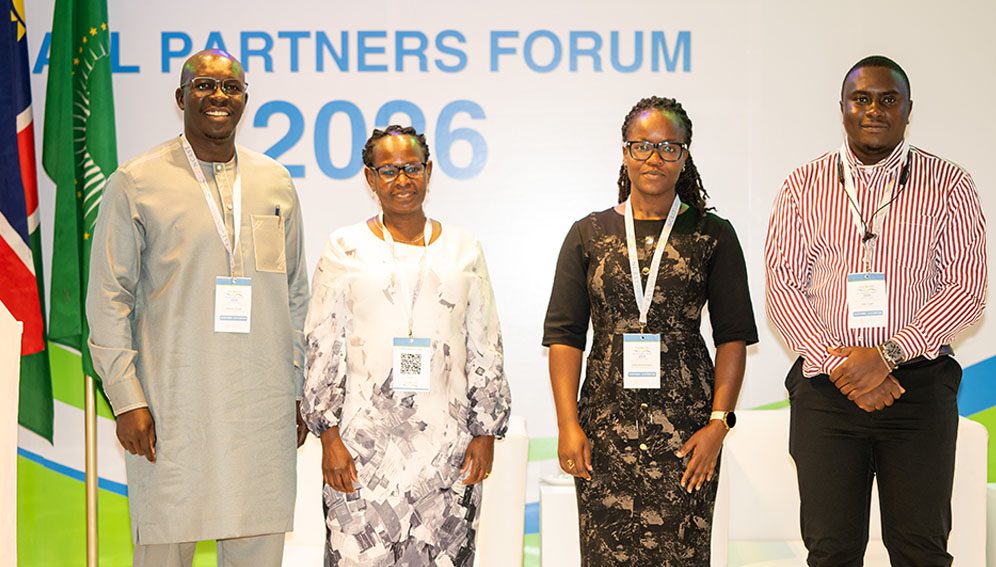
Voices from the SGCI Forum: Building an African-led science system
From calls for African-led research funding to stronger engagement with communities and governments, participants at the 2026 Science Granting Councils Initiative (SGCI) All Partners Forum left Windhoek with a shared sense that Africa’s science and innovation systems are entering a new phase. Held from 28…
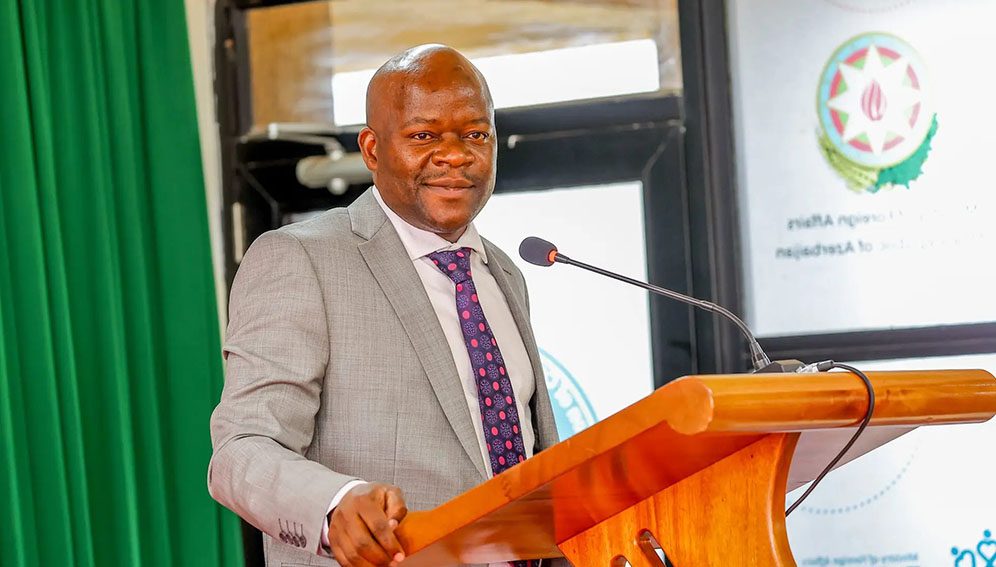
NRF champions science, climate action and youth empowerment
Kenya’s National Research Fund (NRF) is strengthening efforts to connect scientific research, innovation and youth participation with practical responses to climate and environmental challenges. NRF chief executive officer Dickson Andala represented the fund at the launch of the Climate Policy and Advocacy Training – Cohort…
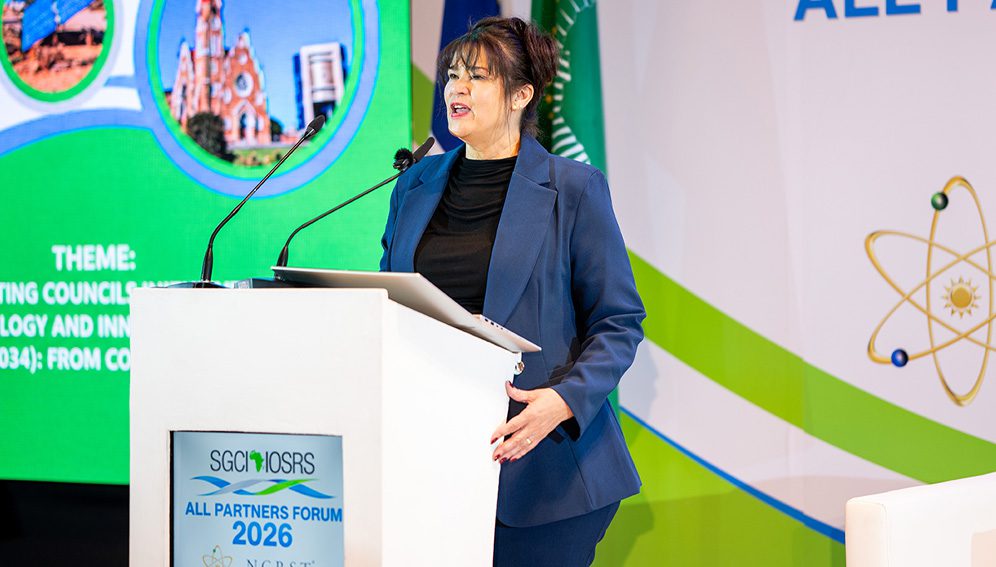
Windhoek Declaration: African science funders pledge to act as one
Science granting councils say Africa’s research systems need African ownership, steadier funding and less fragmentation. Here is what they agreed in Windhoek. African science granting councils adopted a collective declaration in Windhoek, Namibia, on 1 October 2026, as part of the Science Granting Councils Initiative…


SGCI funded projects
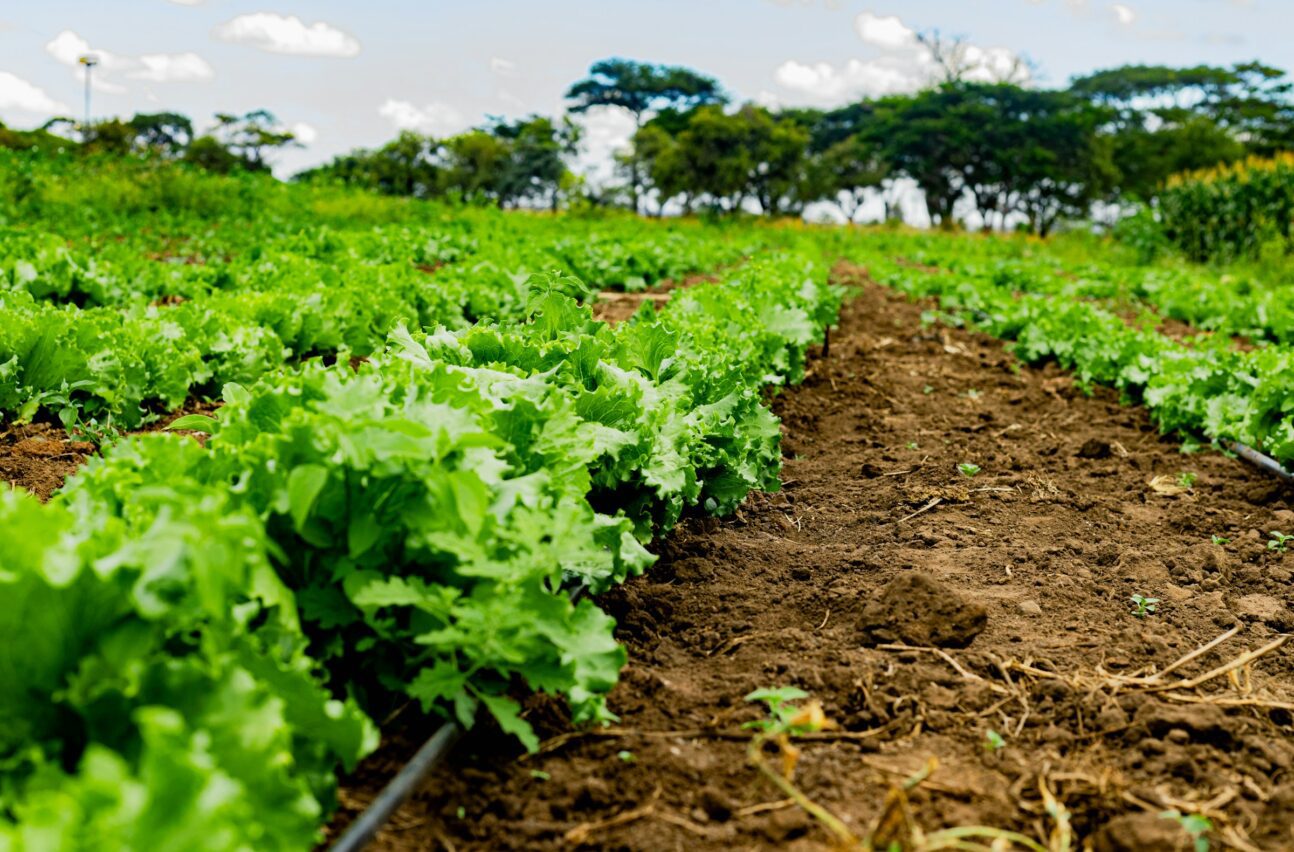
Rwanda’s integrated approach to sustainable agriculture and nutrition
Project Titles & Institution Areas of Research Number of Projects being funded Project Duration Grant Amount In-Kind Distribution Council Collaboration with other councils