SGCI News
With the deadline for the SGCI/STISA-2034 Multilateral Call approaching on 25 September, research institutions and consortia that have not yet submitted their expressions of interest have until the end of…
With the deadline for the SGCI/STISA-2034 Multilateral Call approaching on 25 September, research institutions and consortia that have not yet submitted their expressions of interest have until the end of the day to do so.
The Call seeks collaborative research approaches to some of Africa’s pressing development priorities, with opportunities spanning health, agriculture, artificial intelligence, energy, and the environment.
For those who have already submitted, the focus now shifts to what stronger collaboration can deliver beyond individual research proposals.
From 28 September to 2 October, science granting councils and partners from across Africa will gather in Windhoek, Namibia, for the SGCI Annual Forum. The meeting will provide an opportunity to strengthen collaboration across the continent’s research and innovation ecosystem and consider a broader question: What can 20 African science granting councils achieve through greater coordination?
That question lies at the heart of the opportunity behind SGCI-3.
Africa’s science granting councils operate within different national research systems, but many face common challenges. These include strengthening research funding systems, supporting researchers and institutions, improving the use of evidence in policy and practice, and ensuring that research responds to national and regional development priorities.
Greater coordination can create opportunities for councils to learn from one another, share approaches and build partnerships that extend beyond national boundaries.
The SGCI-3 framework provides a platform for this. With 20 science granting councils involved, the initiative brings together institutions with different experiences and capacities but a shared interest in strengthening Africa’s research and innovation landscape.
The Annual Forum in Windhoek comes at a significant moment. Just days after the close of the SGCI/STISA-2034 Multilateral Call, councils and partners will have an opportunity to reflect on how collaborative research can be supported by stronger institutional relationships and systems.
The Multilateral Call encourages researchers and institutions to work across boundaries and develop collaborative responses to challenges that affect countries and communities across Africa. The Forum creates space for the institutions that fund and support that research to consider how they can also work together more effectively.
Such coordination could help councils share lessons from funding programmes, strengthen institutional capacity and identify opportunities for joint approaches to research and innovation funding. It can also support greater alignment between research investment and Africa’s broader science, technology and innovation priorities.
For SGCI-3, therefore, collaboration is about bringing researchers together around particular projects and strengthening the institutions and relationships that make sustained research collaboration possible.
As the Call closes on 25 September, attention will turn to Windhoek, where the conversation moves from the immediate task of submitting collaborative research proposals to a broader discussion about building stronger and more connected science granting systems.
The opportunity is to ensure that the momentum generated through collaborative research is matched by stronger coordination among the institutions supporting it and helping position Africa’s science granting councils to contribute more collectively to the continent’s research and innovation ambitions.
Please check out the stories and let us know what you think. We would love to hear from you!
Let’s continue the conversation on our social media
Published on 24 September 2026
By Jackie Opara-Fatoye
Related News
Uganda seeks stronger STI ties to drive its $500bn economy
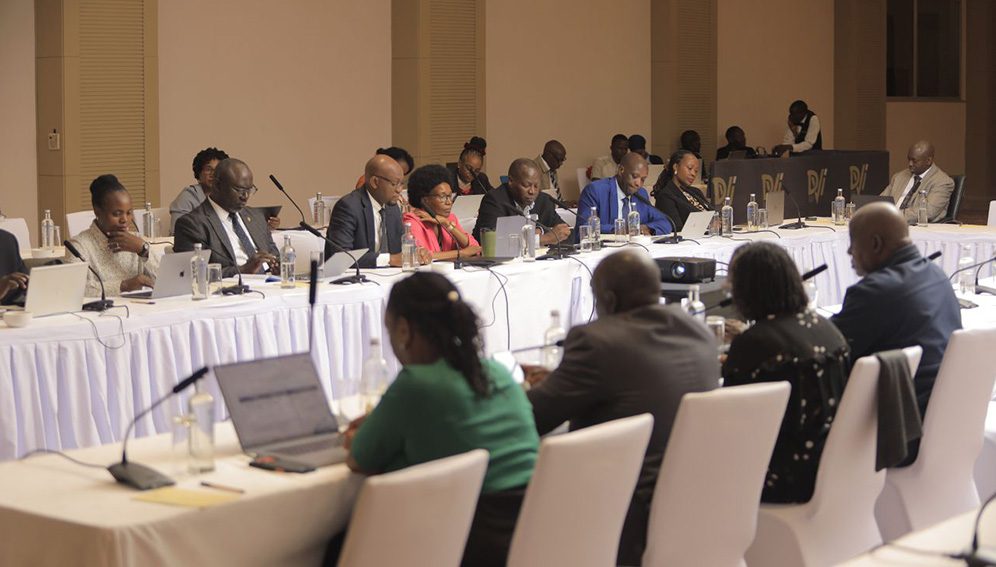
Uganda’s ambition to grow its economy to US$500 billion will depend partly on stronger collaboration across its science, technology and innovation (STI) ecosystem, the country’s science and technology council has said. The Uganda National Council for Science and Technology (UNCST) is calling for closer coordination…
African Union backs science councils to drive STISA-2034 agenda
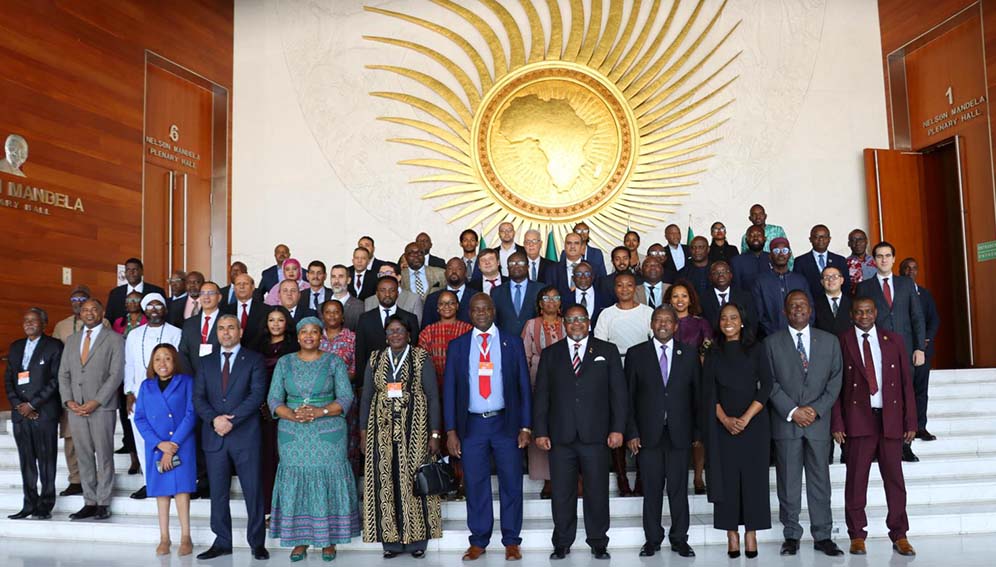
African Union ministers have recognised Science Granting Councils Initiative (SGCI) member institutions as primary vehicles for implementing Africa’s new science, technology and innovation strategy, strengthening the role of national research funding agencies in driving the continent’s development priorities. The recognition was made during the 6th…
Ghana strengthens safeguards for emerging malaria gene-drive research
As Ghana explores gene-drive technology as a potential tool for malaria control, stronger regulatory oversight and collaboration between research institutions and government will be essential to ensuring that scientific innovation does not compromise public health or environmental safety. Ghana is considering the scientific and regulatory…


SGCI funded projects
Rwanda’s integrated approach to sustainable agriculture and nutrition
Project Titles & Institution Areas of Research Number of Projects being funded Project Duration Grant Amount In-Kind Distribution Council Collaboration with other councils