SGCI News
For a continental research opportunity to deliver impact, researchers need to know whether they are eligible, understand how the opportunity fits their work, find the right partners, and navigate the…
For a continental research opportunity to deliver impact, researchers need to know whether they are eligible, understand how the opportunity fits their work, find the right partners, and navigate the application process.
This is where Africa’s Science Granting Councils have a critical role to play.
As partners in the SGCI–STISA 2034 Multilateral Research Call, the councils are helping to translate a continental funding announcement into national research communities, connecting universities, public research organisations and government research institutions with an opportunity designed to strengthen Africa-led research and innovation.
The role is particularly important because the call is built around multi-country collaboration.
Eligible institutions are expected to build or join consortia, bringing together researchers and institutions from different African countries to address shared development challenges across health, agriculture and food systems, artificial intelligence and digital technologies, energy, and environment and climate resilience.
For researchers, finding the right partners can be one of the most challenging parts of developing a competitive multi-country proposal. Science Granting Councils can help bridge that gap by directing researchers to the call’s matchmaking platform, where they can explore the opportunity and identify potential consortium partners.
But their role goes beyond distributing information.
The Councils are encouraged to adapt communication about the call to their national research priorities, institutional environments and the needs of potential applicants. This allows councils to translate a continental funding opportunity into messages that are relevant to researchers in their own countries.
They can also reach potential applicants through networks that researchers already trust, including universities, public research organisations, government institutions, professional associations, newsletters, mailing lists, WhatsApp groups and communities of practice.
Researchers and eligible institutions now have little time to waste. Those considering the opportunity should move quickly to confirm their eligibility, identify potential consortium partners and begin developing their Expressions of Interest.
Is your consortium ready?
Full eligibility requirements, participating countries, and consortium-building resources are available on the call’s official landing page. Applicants are encouraged to review these details closely before beginning a proposal, and to use the matchmaking platform to confirm potential partners meet the call’s country and institutional criteria.
The Call is supported through a partnership of African Science Granting Councils, the International Development Research Centre (IDRC), the Government of Norway, the UK’s Foreign, Commonwealth & Development Office (FCDO), and Wellcome.
Explore the full eligibility requirements and access the application portal at https://call.sgci.africa/. Expressions of interest are due September 25, 2026
Please check out the stories and let us know what you think. We would love to hear from you!
Let’s continue the conversation on our social media
Published on 7 September 2026
By Jackie Opara-Fatoye
Related News
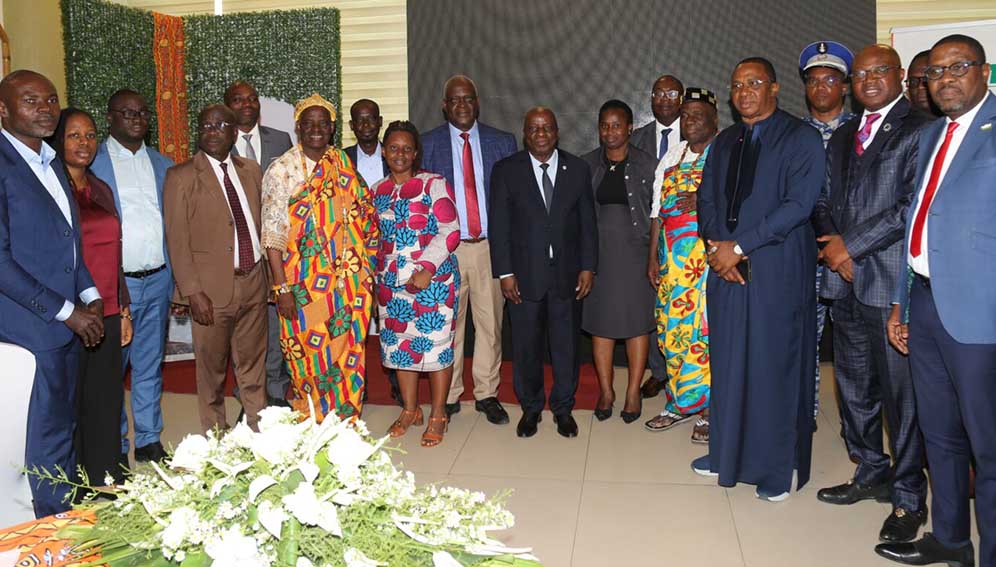
Ivorian researchers develop solutions to illegal gold mining damage
Locally developed technologies for detecting heavy metals in water and restoring contaminated farmland could help Côte d’Ivoire address the environmental and public health consequences of illegal gold mining. Illegal gold mining has affected 29 of Côte d’Ivoire’s 31 regions, threatening water resources, agricultural land and…
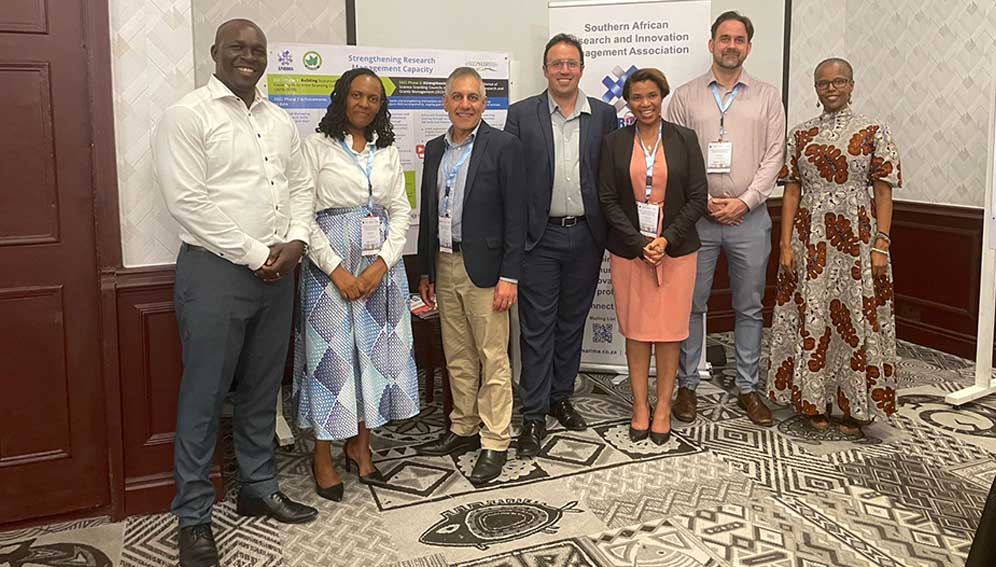
How research management is changing Africa’s science funders
A new grant appeals procedure in Zimbabwe, improved digital grant management in Namibia, and stronger gender inclusion leadership in Zambia are among the institutional changes emerging from efforts to strengthen research management across Sub-Saharan Africa. Theme one of the Science Granting Councils Initiative Phase II…
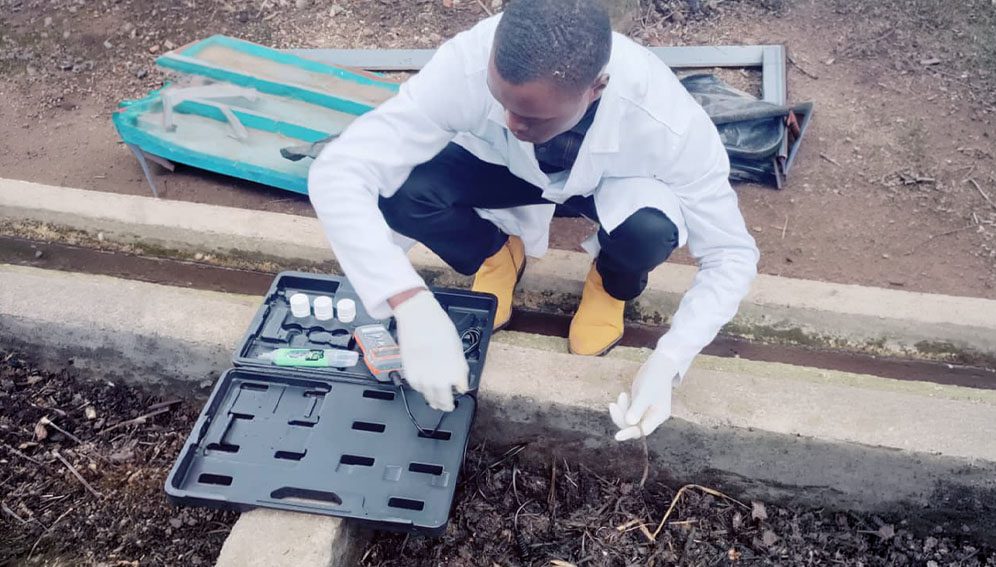
Can Rwanda’s farm waste help restore its depleted soils?
Locally developed vermicompost and biochar show promise for improving crop yields and soil health, but researchers say further testing is needed before wider adoption. The vermicompost process uses tiger worms to break down prepared organic materials into a dark, crumb-like product, while the biochar is…


SGCI funded projects
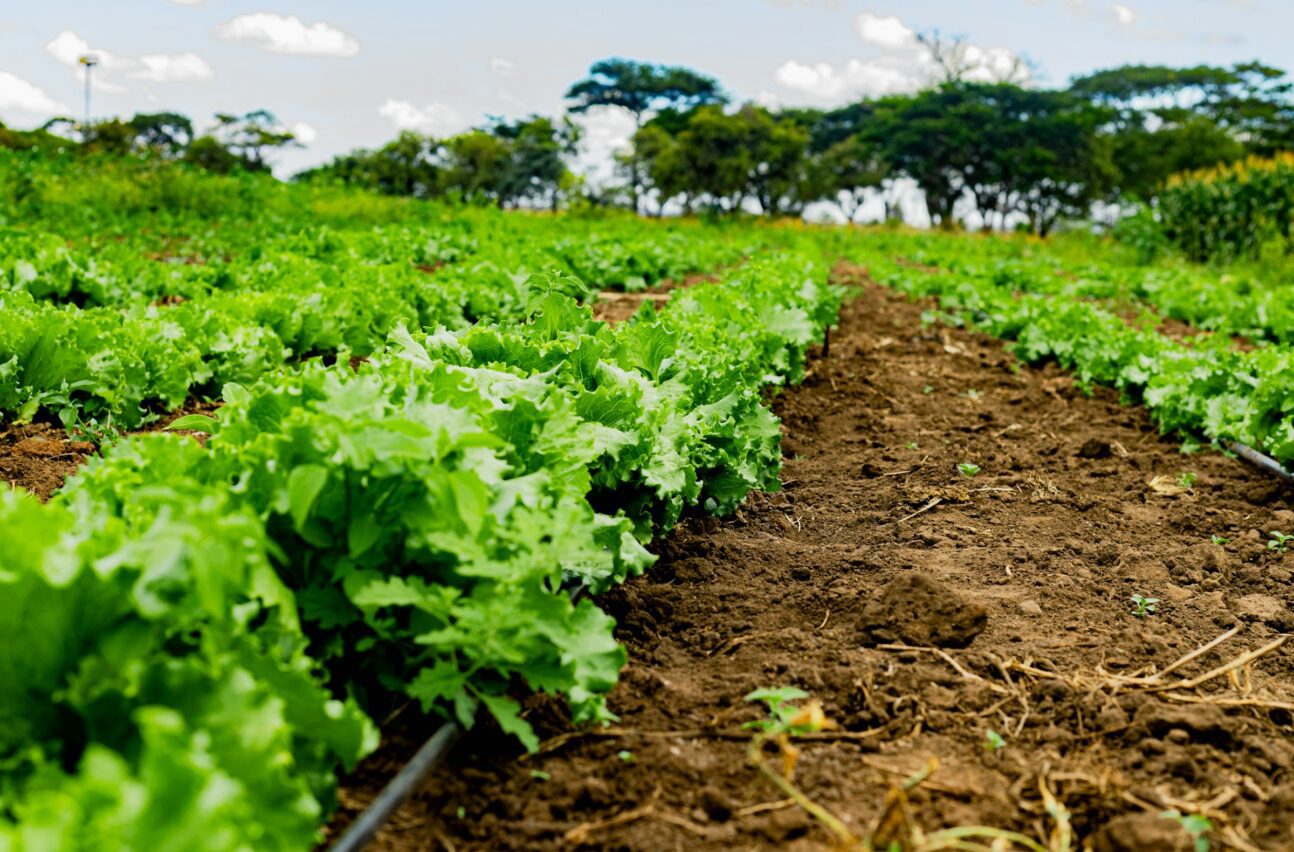
Rwanda’s integrated approach to sustainable agriculture and nutrition
Project Titles & Institution Areas of Research Number of Projects being funded Project Duration Grant Amount In-Kind Distribution Council Collaboration with other councils