
SGCI News
When partners gather in Windhoek, Namibia, for the 2026 Science Granting Councils Initiative (SGCI) All Partners Forum, they will meet at an important point in the evolution of Africa’s science,…
When partners gather in Windhoek, Namibia, for the 2026 Science Granting Councils Initiative (SGCI) All Partners Forum, they will meet at an important point in the evolution of Africa’s science, technology and innovation landscape.
The Forum will be held from 28 September to 1 October 2026.
The Forum comes less than a year after Science Granting Councils (SGCs) collectively reaffirmed their commitment to supporting the implementation of the African Union’s Science, Technology and Innovation Strategy for Africa 2034 (STISA-2034). It also follows the launch of the third phase of SGCI (SGCI-3), which runs from 2026 to 2030, and the establishment of the SGCI Alliance as a platform for stronger African leadership and coordination.
The task now is to turn these commitments into coordinated delivery.
This makes the 2026 Forum more than an annual gathering. It provides an opportunity for African science granting councils, funders, development partners and other stakeholders to align around how SGCI-3 will work in practice and how partnerships can translate shared priorities into sustained action.
From a decade of foundations to system-level action
Since 2015, SGCI has worked with African science granting councils to strengthen institutional capacity, research funding systems, grant management, policy engagement and collaboration. The first two phases established important foundations for councils to operate as more effective institutions within national research and innovation systems.
SGCI-3 builds on this experience while placing greater emphasis on system-level change, coordinated investment and partnership-driven implementation.
Its focus includes co-funding high-quality research and innovation aligned with development priorities, strengthening councils’ strategic positioning in STI policy, and reinforcing national and regional research and innovation systems.
The shift matters because the challenges addressed through STISA-2034 do not sit within the boundaries of individual institutions or countries. Health security, food and nutritional security, climate resilience, energy transitions and digital transformation require research collaboration, aligned investment and stronger connections between national and continental priorities.
The Windhoek Forum therefore provides a space to consider how the structures and partnerships created under SGCI-3 can deliver against these ambitions.
Making the SGCI Alliance work
A central part of this transition is the SGCI Alliance.
The Alliance represents a new approach to governance and coordination, placing African Science Granting Councils more firmly at the centre of the initiative’s strategic direction. Its governance architecture includes a Councils Leadership Forum, which provides strategic oversight, and a Councils Coordination Group responsible for operational coherence between annual gatherings.
This structure is designed to address a practical challenge: as partnerships, funders and continental priorities grow, informal coordination is no longer enough.
The Alliance also introduces mechanisms that can connect strategy with implementation. These include thematic working groups aligned with STISA-2034 priorities, a Funders’ Collaborative to strengthen coordination among funding partners, a Policy Hub to support councils’ role as STI policy actors, and a Capacity Strengthening Committee focused on longer-term institutional development.
The All Partners Forum is therefore an important setting for these mechanisms to move from architecture to practice.
Aligning partnerships around shared priorities
Partnerships will be central to this next phase.
Africa’s research and innovation ambitions require contributions from science granting councils, governments, funders, research institutions, innovation agencies, technical partners and other stakeholders. Each brings different resources, expertise and networks.
The question is how these contributions can be better aligned.
Co-investment offers one pathway. By bringing national, regional and international resources around shared priorities, partners can support larger multi-country initiatives, reduce fragmentation and strengthen the sustainability of investments in research and innovation.
This is particularly relevant as SGCI-3 seeks to support research collaborations that cross institutional and national boundaries.
The SGCI–STISA-2034 Multilateral Research Call provides an early example of this approach, bringing African Science Granting Councils and international partners together around research priorities linked to the continent’s development agenda.
From shared commitments to coordinated delivery
The significance of Windhoek ultimately lies in what happens beyond the meeting room.
For SGCI-3 to achieve its ambitions, partners will need shared priorities, clear roles and mechanisms for coordination, learning and accountability. African ownership will remain central, while international funding and technical partnerships can help extend the reach and sustainability of locally led priorities.
This is also where the lessons of the first decade of SGCI become important. The experience of strengthening individual councils can now inform a more connected approach to strengthening national and regional STI systems.
The 2026 All Partners Forum provides an opportunity to build that connection.
As partners come together in Windhoek, the focus is therefore not simply on what SGCI-3 aims to achieve, but on how the collective partnership will deliver it.
The transition from commitment to action requires coordinated investment, stronger partnerships, African leadership and mechanisms that can turn agreed priorities into programmes, research collaborations, policy influence and lasting institutional change.
For SGCI and its partners, Windhoek represents an opportunity to take that next step together.
Please check out the stories and let us know what you think. We would love to hear from you!
Let’s continue the conversation on our social media
Published on 17 September 2026
By Jackie Opara-Fatoye
Related News
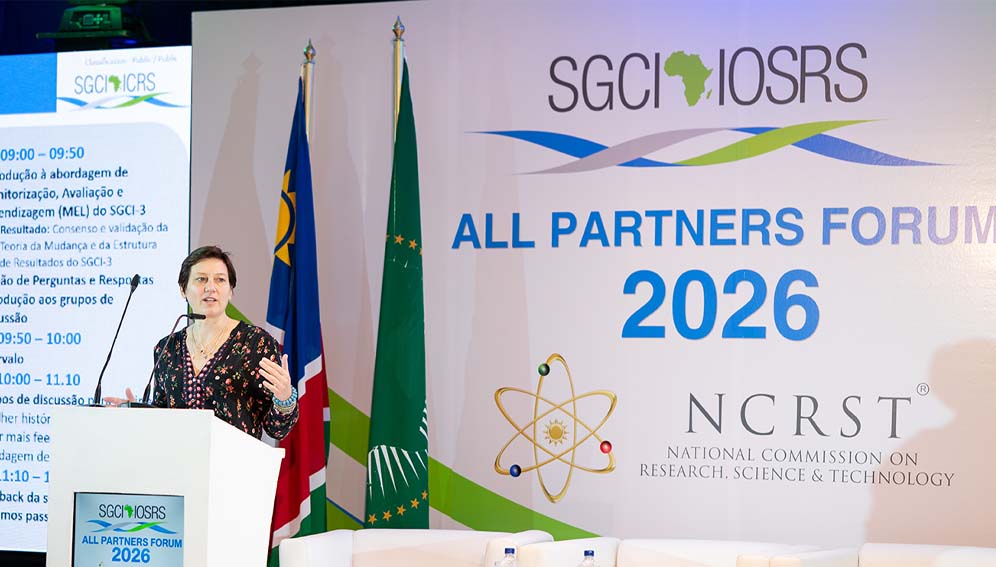
Africa’s science councils urged to turn pledges into real impact
[NAMIBIA] African countries must strengthen collaboration, invest in research and scientists, and take greater ownership of science, technology and innovation if research is to deliver lasting development impact, participants at the 2026 Science Granting Councils Initiative (SGCI) All Partners Forum have said. The call came…
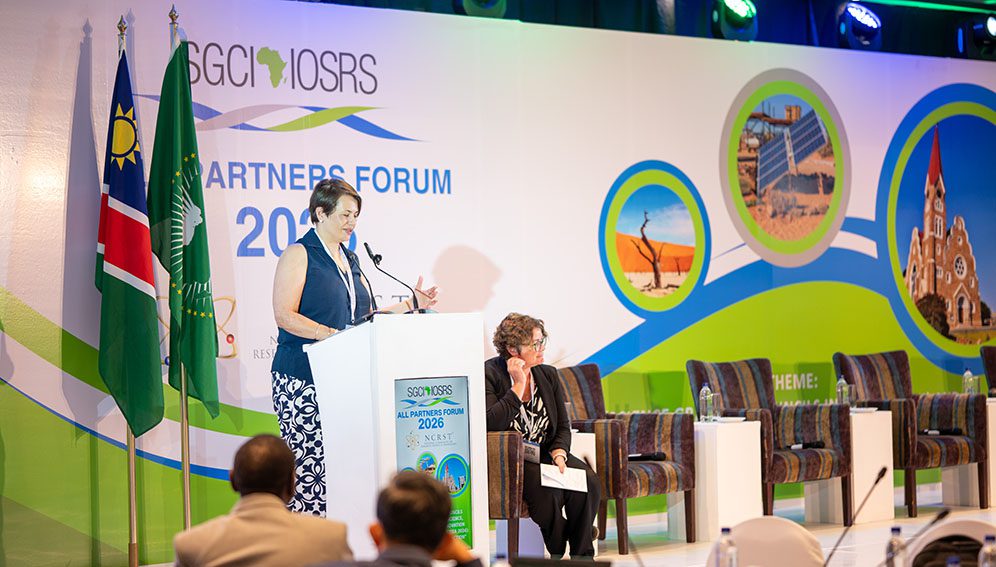
Councils urged to take ownership of SGCI-3 as forum turns to systems
[NAMIBIA]Science Granting Councils have been urged to take greater ownership of the third phase of the Science Granting Councils Initiative (SGCI-3), as partners turned their attention to the institutional systems and partnerships needed to translate the initiative’s ambitions into results. The call came during Day…
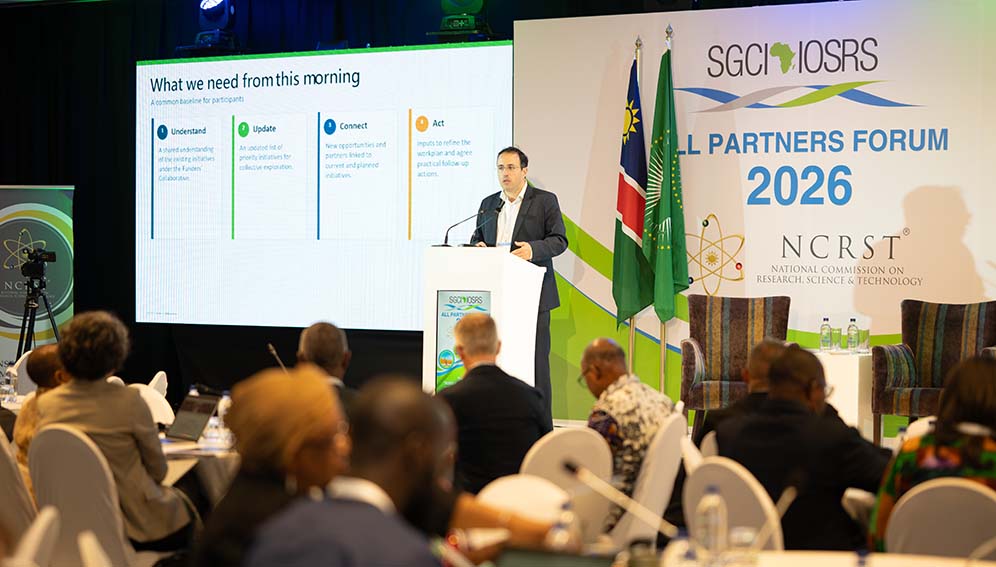
SGCI All Partners Forum highlights Africa’s research funding needs
[NAMIBIA] African science granting councils are examining their reliance on international research funding as a new dashboard reveals the flow of science, technology and innovation (STI) funding into Africa. More than 170 delegates from across the world are attending the 2026 Science Granting Councils Initiative…
Research and Resources

SGCI funded projects
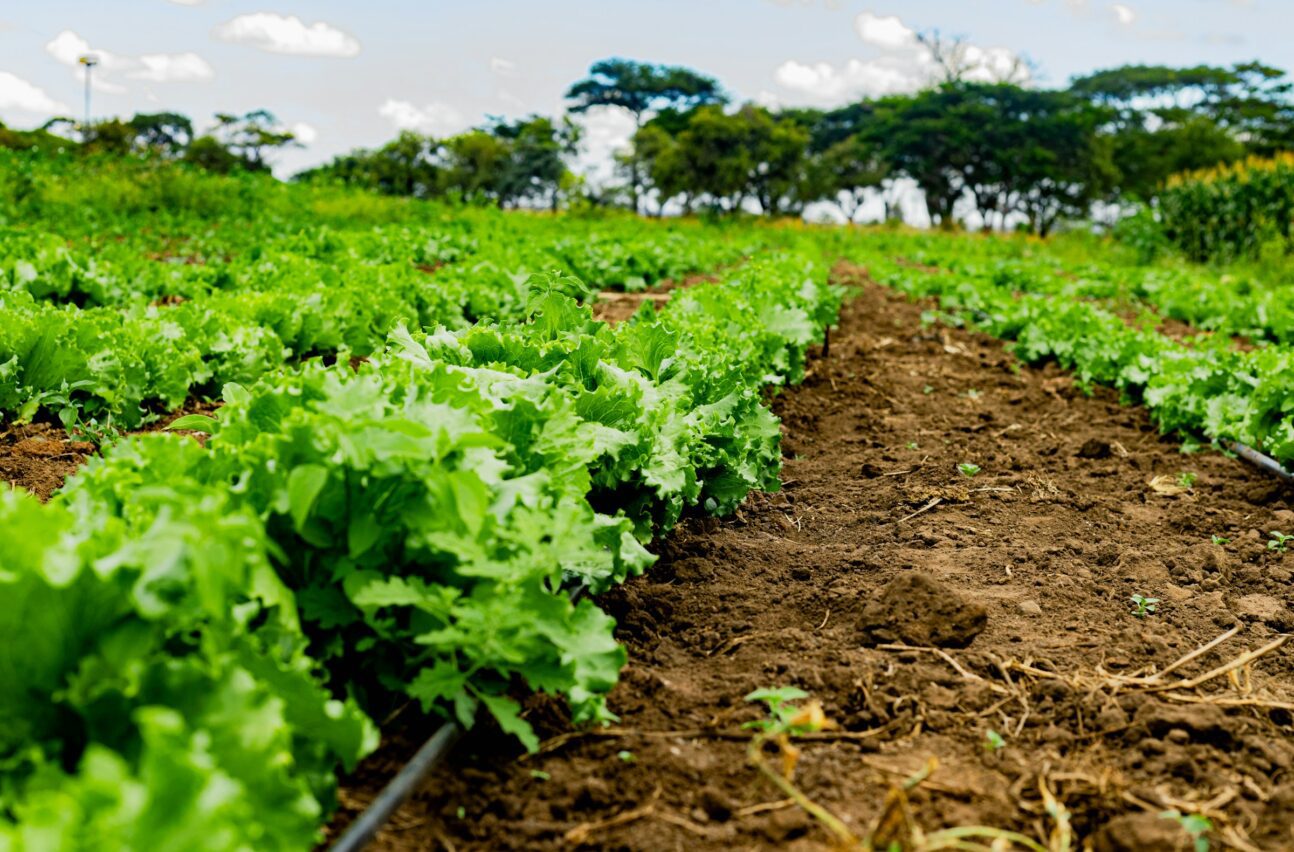
Rwanda’s integrated approach to sustainable agriculture and nutrition
Project Titles & Institution Areas of Research Number of Projects being funded Project Duration Grant Amount In-Kind Distribution Council Collaboration with other councils