SGCI News
The Science Granting Councils Initiative (SGCI) opened its multilateral research call to advance Africa’s Science, Technology and Innovation Strategy for Africa (STISA 2034), and interest from applicants is building across…
The Science Granting Councils Initiative (SGCI) opened its multilateral research call to advance Africa’s Science, Technology and Innovation Strategy for Africa (STISA 2034), and interest from applicants is building across the continent’s research community. Before diving into a proposal, here’s what determines whether your institution and consortium qualify.
Who is eligible
The call is open to African universities, public research organisations, and government research institutions. Private sector companies, NGOs, and international partners are welcome to join a consortium as collaborators, but funding under the call is restricted to African institutions. This means non-African or non-eligible partners can contribute expertise and capacity, but the funded consortium members must be African institutions.
Consortium requirements
This is a multi-country call by design. Applicants must build or join a consortium of three to five institutions drawn from three different SGCI countries. Consortia are expected to run for three years, reflecting the scale of collaborative work the call is intended to support.
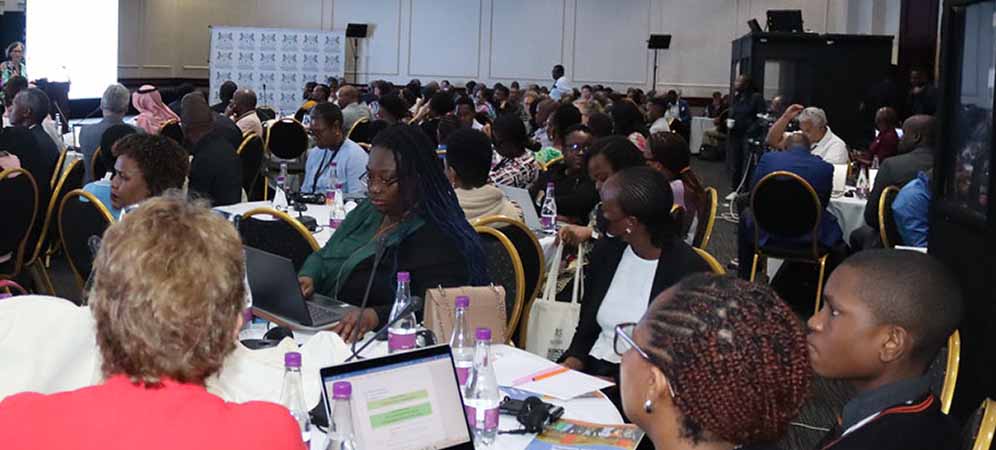
Councils and partners are encouraged to use the STISA-2034 Research Matchmaking platform, available on the call’s landing page, to connect with potential collaborators and begin forming a consortium.
What the call is looking for
Beyond institutional and consortium eligibility, the call prioritises research and innovation that is Africa-led and generates evidence for vulnerable and underserved populations. It favours interdisciplinary, policy-relevant work with strong connections between research, policy, and development impact, carried out by teams with the capacity to manage funding and deliver impact at scale.
Proposals should align with one or more of the five priority research areas: health; agriculture and food systems; artificial intelligence and digital technologies; energy; and environment and climate resilience.
Confirming your eligibility
Full eligibility requirements, participating countries, and consortium-building resources are available on the call’s official landing page. Applicants are encouraged to review these details closely before beginning a proposal, and to use the matchmaking platform to confirm potential partners meet the call’s country and institutional criteria.
The call is supported through a partnership of African Science Granting Councils, the International Development Research Centre (IDRC), the Government of Norway, the UK’s Foreign, Commonwealth & Development Office (FCDO), and Wellcome.
Ready to check your fit for this opportunity? Explore the full eligibility requirements and access the application portal at https://call.sgci.africa/. Expressions of interest are due September 25, 2026.
Please check out the stories and let us know what you think. We would love to hear from you!
Let’s continue the conversation on our social media
Published on 24 August 2026
By Jackie Opara-Fatoye
Related News
Voices from the SGCI Forum: Building an African-led science system
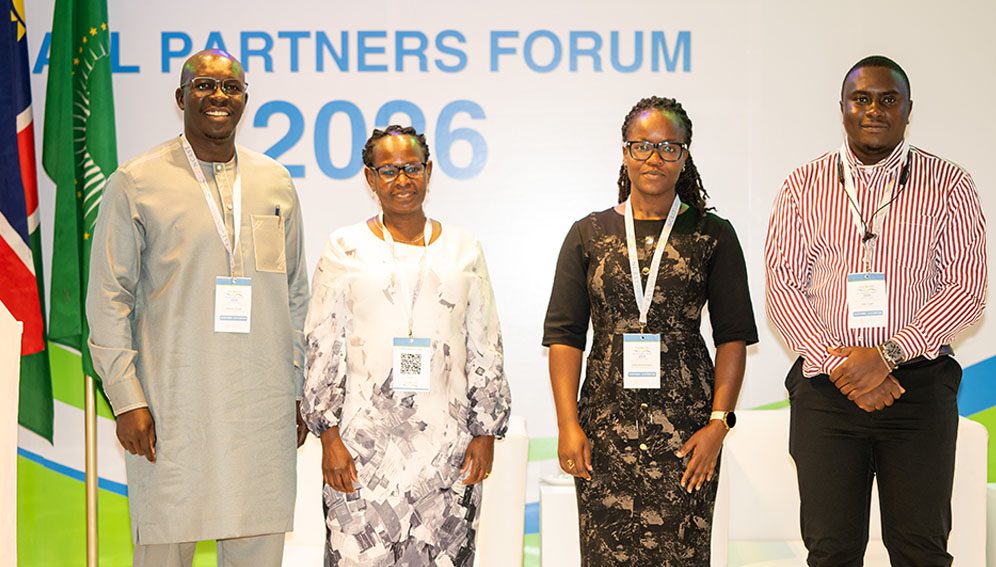
From calls for African-led research funding to stronger engagement with communities and governments, participants at the 2026 Science Granting Councils Initiative (SGCI) All Partners Forum left Windhoek with a shared sense that Africa’s science and innovation systems are entering a new phase. Held from 28…
NRF champions science, climate action and youth empowerment
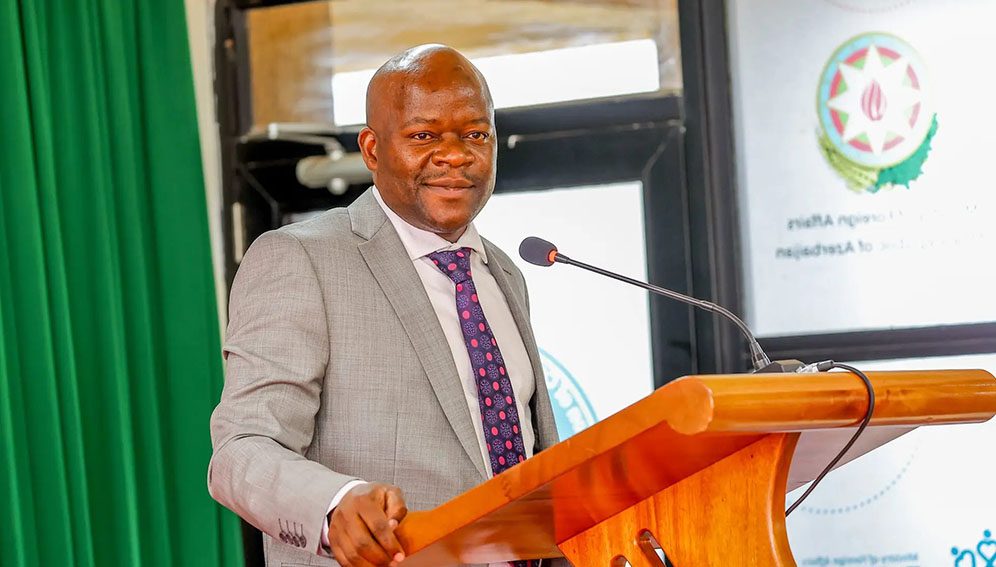
Kenya’s National Research Fund (NRF) is strengthening efforts to connect scientific research, innovation and youth participation with practical responses to climate and environmental challenges. NRF chief executive officer Dickson Andala represented the fund at the launch of the Climate Policy and Advocacy Training – Cohort…
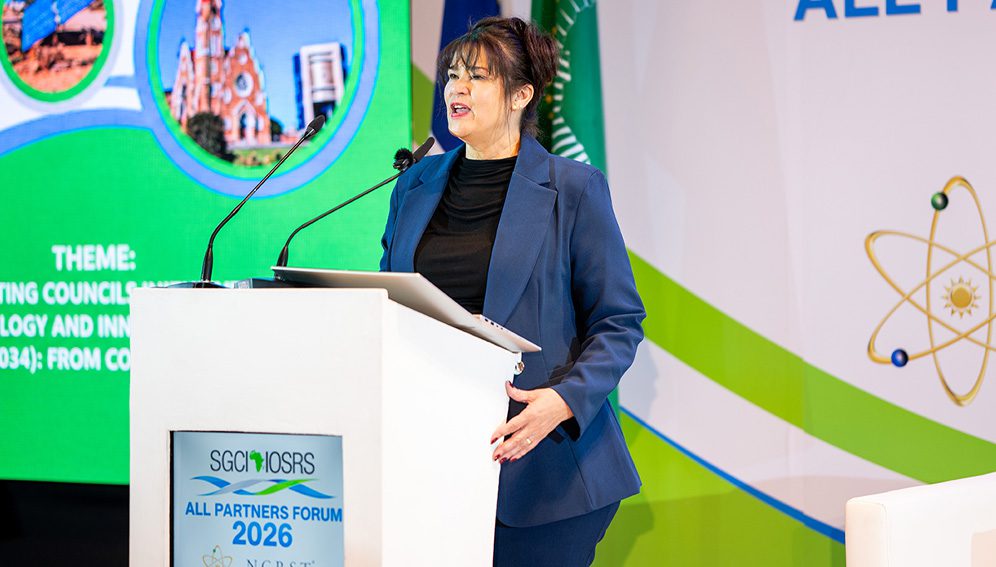
Windhoek Declaration: African science funders pledge to act as one
Science granting councils say Africa’s research systems need African ownership, steadier funding and less fragmentation. Here is what they agreed in Windhoek. African science granting councils adopted a collective declaration in Windhoek, Namibia, on 1 October 2026, as part of the Science Granting Councils Initiative…


SGCI funded projects
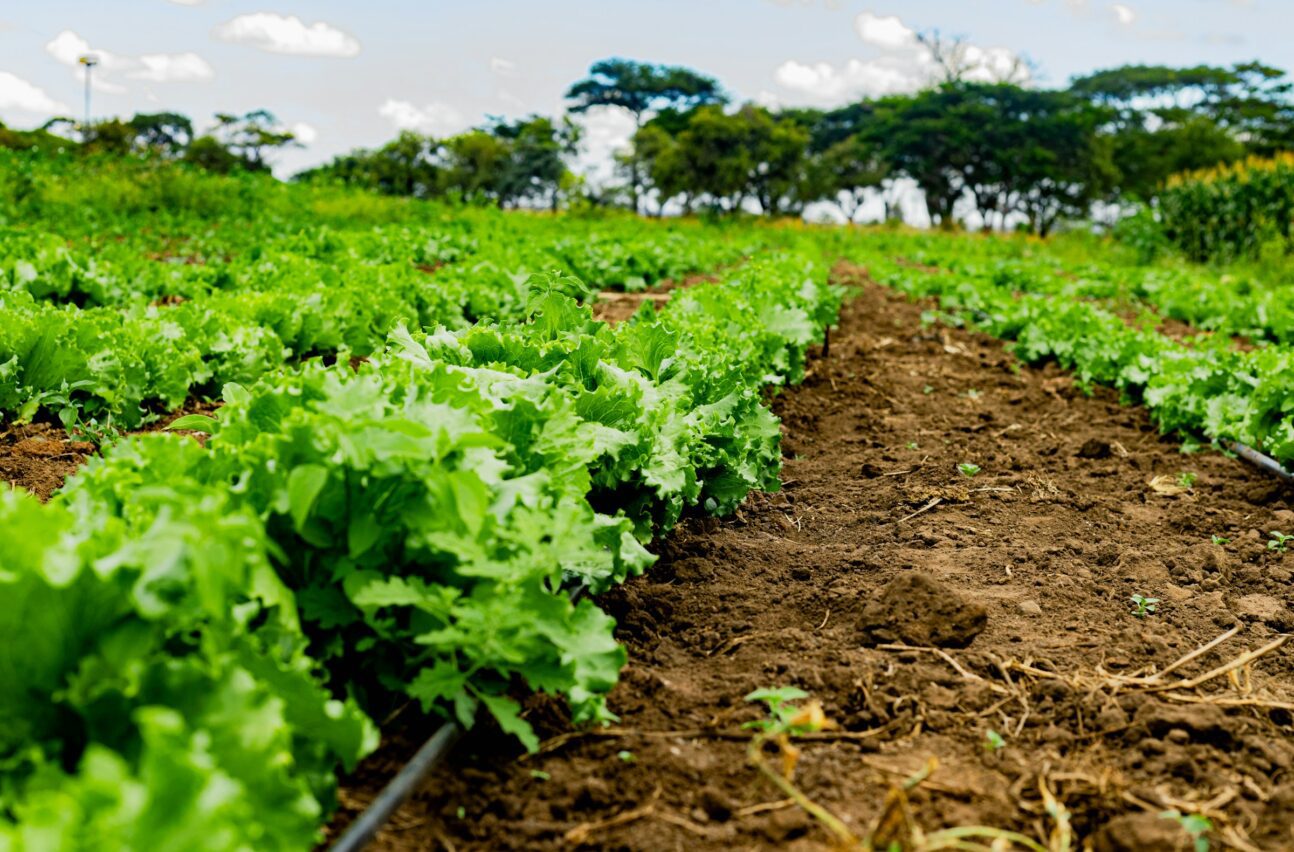
Rwanda’s integrated approach to sustainable agriculture and nutrition
Project Titles & Institution Areas of Research Number of Projects being funded Project Duration Grant Amount In-Kind Distribution Council Collaboration with other councils