SGCI News
Africa produces a growing body of research on the challenges shaping everyday life, yet a persistent gap remains between generating evidence and putting it to use. Research findings may be…
Africa produces a growing body of research on the challenges shaping everyday life, yet a persistent gap remains between generating evidence and putting it to use.
Research findings may be published in journals, presented at conferences and archived in institutional repositories, but too often they stop short of reaching the policymakers, practitioners and communities who could act on them.
Closing this knowledge uptake gap is central to ensuring that research translates into real development impact.
Knowledge uptake is the process by which research findings move beyond academic circles and inform decisions.
It could mean a health ministry using evidence to adjust a treatment protocol, an agriculture department revising extension services, or a national utility rethinking its approach to energy access.
Research needs to be timely, relevant to a specific policy or development question, and communicated in forms that decision-makers can use.
Without deliberate attention to uptake, even rigorous research can remain unused.
Policymakers may be unaware that relevant evidence exists, may not see its relevance to their context, or may lack a clear pathway for incorporating findings into planning, budgeting or implementation. Bridging that distance requires engagement, partnerships and resources.
This connection between research, policy and development impact is particularly important for Africa’s science and innovation systems.
The SGCI–STISA 2034 Multilateral Research Call is designed to support Africa-led research and innovation that contributes to sustainable development and socio-economic transformation, while strengthening science and innovation systems across the continent.
Its focus explicitly includes generating evidence for policy and development impact.
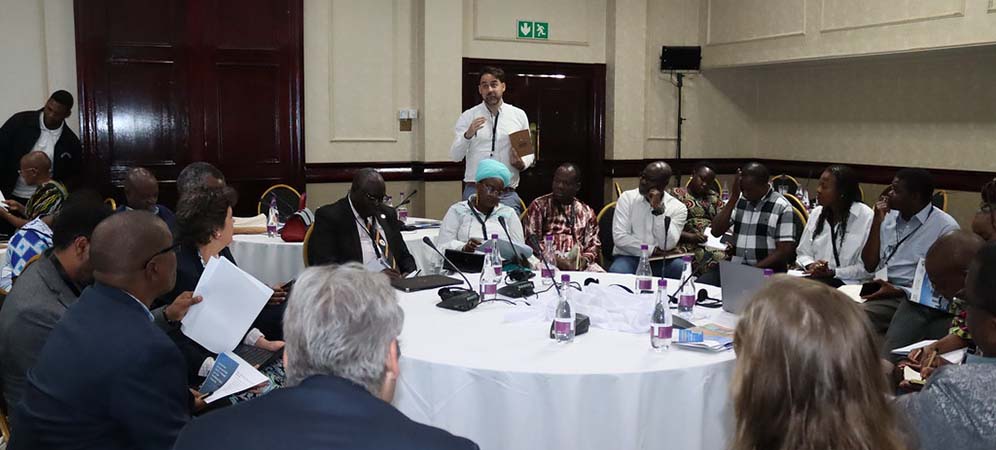
Research with a stronger pathway to policy impact often begins by engaging potential users of evidence early. Government departments, regulators, public agencies and other stakeholders can help researchers understand the questions that matter and the evidence needed to address them.
Research aligned with existing national or regional priorities also has a clearer entry point into decision-making than research that has no identified policy audience.
Communication matters too. Policy briefs, plain-language summaries, stakeholder discussions and other forms of knowledge translation can help move findings from research institutions into policy conversations.
Multi-country research can strengthen this pathway by bringing together institutions from different African countries; researchers can generate evidence around shared challenges and produce findings that speak to more than one national context.
The SGCI–STISA 2034 call supports multi-country consortia across at least three African countries, creating opportunities for collaboration around continental priorities.
Across health, agriculture and food systems, artificial intelligence and digital technologies, energy, and environment and climate resilience, the goal is to ensure that knowledge can travel beyond the institutions that generate it and contribute to decisions that improve lives.
For African researchers and institutions, the Call offers an opportunity to design collaborative research with this pathway from evidence to action in mind.
The Call is supported through a partnership of African Science Granting Councils, the International Development Research Centre (IDRC), the Government of Norway, the UK’s Foreign, Commonwealth & Development Office (FCDO), and Wellcome.
Expressions of interest close on September 25, 2026, at 23:59 EDT. Explore the call, eligibility requirements, matchmaking opportunities, and application portal at https://call.sgci.africa/.
Please check out the stories and let us know what you think. We would love to hear from you!
Let’s continue the conversation on our social media
Published on 14 September 2026
By Jackie Opara-Fatoye
Related News
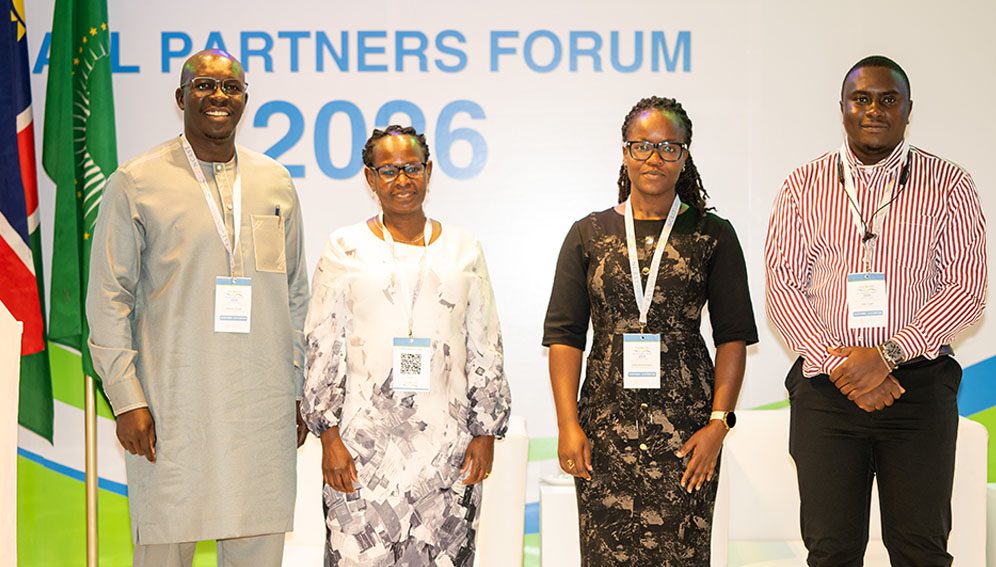
Voices from the SGCI Forum: Building an African-led science system
From calls for African-led research funding to stronger engagement with communities and governments, participants at the 2026 Science Granting Councils Initiative (SGCI) All Partners Forum left Windhoek with a shared sense that Africa’s science and innovation systems are entering a new phase. Held from 28…
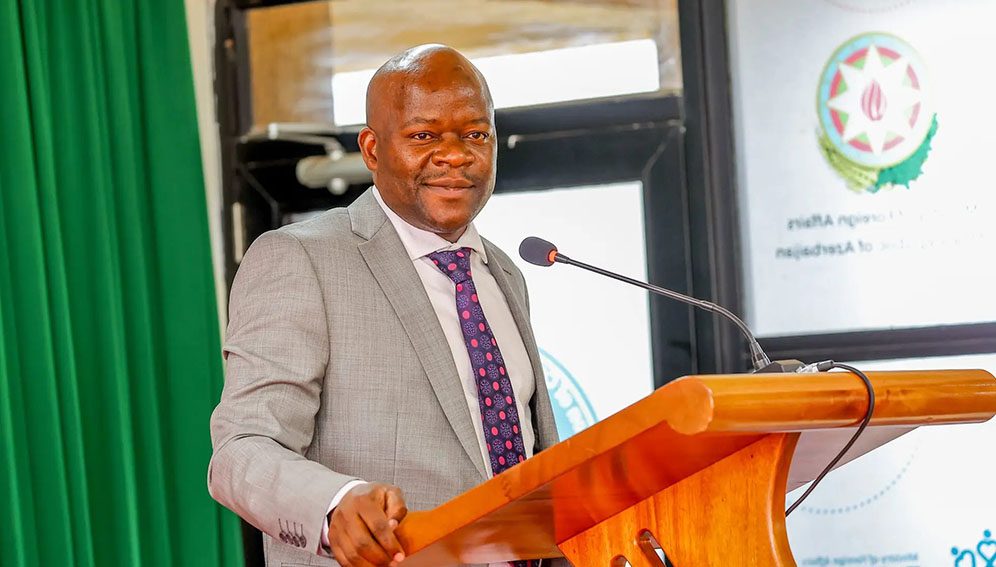
NRF champions science, climate action and youth empowerment
Kenya’s National Research Fund (NRF) is strengthening efforts to connect scientific research, innovation and youth participation with practical responses to climate and environmental challenges. NRF chief executive officer Dickson Andala represented the fund at the launch of the Climate Policy and Advocacy Training – Cohort…
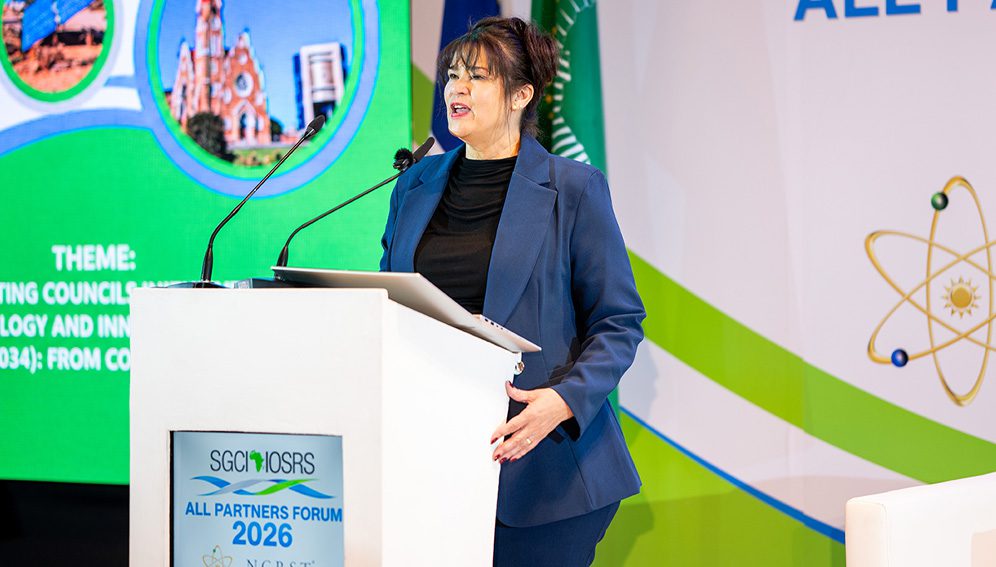
Windhoek Declaration: African science funders pledge to act as one
Science granting councils say Africa’s research systems need African ownership, steadier funding and less fragmentation. Here is what they agreed in Windhoek. African science granting councils adopted a collective declaration in Windhoek, Namibia, on 1 October 2026, as part of the Science Granting Councils Initiative…


SGCI funded projects
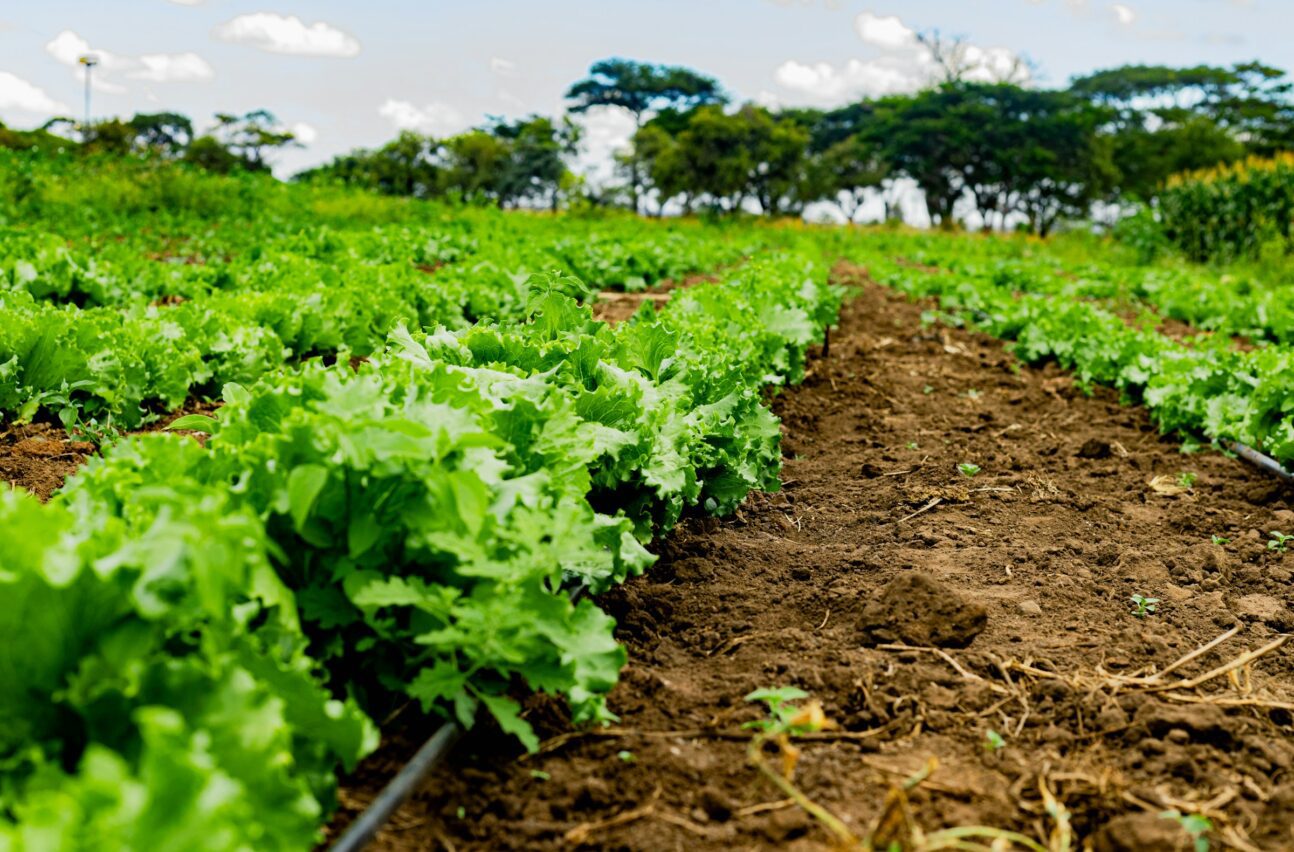
Rwanda’s integrated approach to sustainable agriculture and nutrition
Project Titles & Institution Areas of Research Number of Projects being funded Project Duration Grant Amount In-Kind Distribution Council Collaboration with other councils