SGCI News
Ethiopia has joined 28 other countries in establishing a new international body to promote cooperation and governance in artificial intelligence (AI), highlighting the country’s growing focus on using science, technology…
Ethiopia has joined 28 other countries in establishing a new international body to promote cooperation and governance in artificial intelligence (AI), highlighting the country’s growing focus on using science, technology and innovation to drive development.
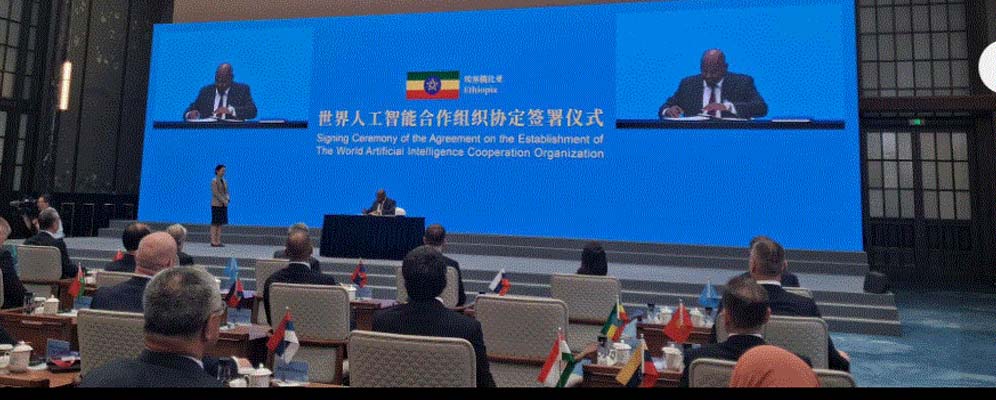
Ethiopia’s Minister of Innovation and Technology, Belete Mola, signed the establishment agreement for the World Artificial Intelligence Cooperation Organization (WAICO) on behalf of the country during the 2026 World Artificial Intelligence Conference (WAIC), held in Shanghai, China, from 17–20 July.
The conference brought together government leaders, scientists, technology experts, businesses and representatives of international organisations from more than 100 countries and organisations.
The establishment of WAICO was one of the key developments at the conference, with 29 countries signing the agreement to create the new intergovernmental organisation. Its focus is on strengthening international cooperation on AI development and governance.
Speaking at the launch, Mola said Ethiopia recognised the importance of AI to the country’s development and security. He highlighted Ethiopia’s efforts to establish an AI institute and implement a national AI policy, while stressing the country’s willingness to learn from other countries, share its experience and collaborate internationally.
Building Ethiopia’s science and innovation system
Ethiopia’s growing engagement in AI and international technology cooperation also reflects efforts to strengthen its national research and innovation system.
The country has been a partner in the Science Granting Councils Initiative (SGCI), which works with science granting councils and related institutions across Sub-Saharan Africa to strengthen research funding systems, research management and evidence-informed policymaking.
Through SGCI, more than 30 Ethiopian universities have benefited from online training in research management aimed at strengthening institutional capacity and research governance. Ethiopia has also used its participation in the initiative to pursue regional and international research partnerships and joint funding opportunities.
SGCI has also supported the development of institutional frameworks for a research funding agency in Ethiopia, contributing to efforts to strengthen the country’s capacity to fund and manage research and innovation.
Such capacity is increasingly relevant as countries seek to ensure that emerging technologies such as AI are supported by effective research systems, appropriate policies and institutions capable of translating scientific knowledge into development outcomes.
Linking AI to development priorities
Ethiopia’s participation in WAICO also aligns with SGCI’s broader emphasis on strengthening African science systems to respond to national and continental development priorities.
The country is currently involved in SGCI-supported research covering areas including climate-smart agriculture, renewable energy, biotechnology and water treatment. Nine projects under the initiative are addressing challenges ranging from climate-resilient crop production and biogas to microalgae, drinking water and agricultural biotechnology.
The wider SGCI agenda is also placing greater emphasis on digital technologies and AI. Its new multilateral research call supporting implementation of the African Union’s Science, Technology and Innovation Strategy for Africa (STISA-2034) identifies AI and digital technologies as one of five priority areas, alongside health, agriculture, energy and environment.
The call is designed to strengthen multi-country research partnerships and connect research investment to Africa’s development priorities.
The call is supported through a partnership of African Science Granting Councils, the International Development Research Centre (IDRC), the Government of Norway, the UK’s Foreign, Commonwealth & Development Office (FCDO), and Wellcome.
Explore the full eligibility requirements and access the application portal at https://call.sgci.africa/. Expressions of interest are due September 25, 2026.
Please check out the stories and let us know what you think. We would love to hear from you!
Let’s continue the conversation on our social media
Published on 27 August 2026
By Jackie Opara-Fatoye
Related News
Africa’s science councils urged to turn pledges into real impact
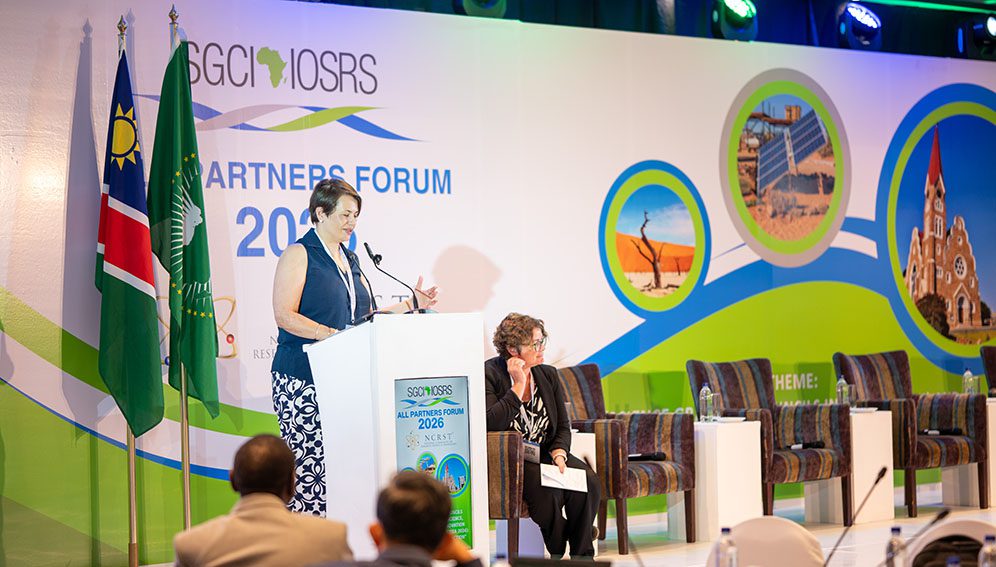
[NAMIBIA] African countries must strengthen collaboration, invest in research and scientists, and take greater ownership of science, technology and innovation if research is to deliver lasting development impact, participants at the 2026 Science Granting Councils Initiative (SGCI) All Partners Forum have said. The call came…
Councils urged to take ownership of SGCI-3 as forum turns to systems
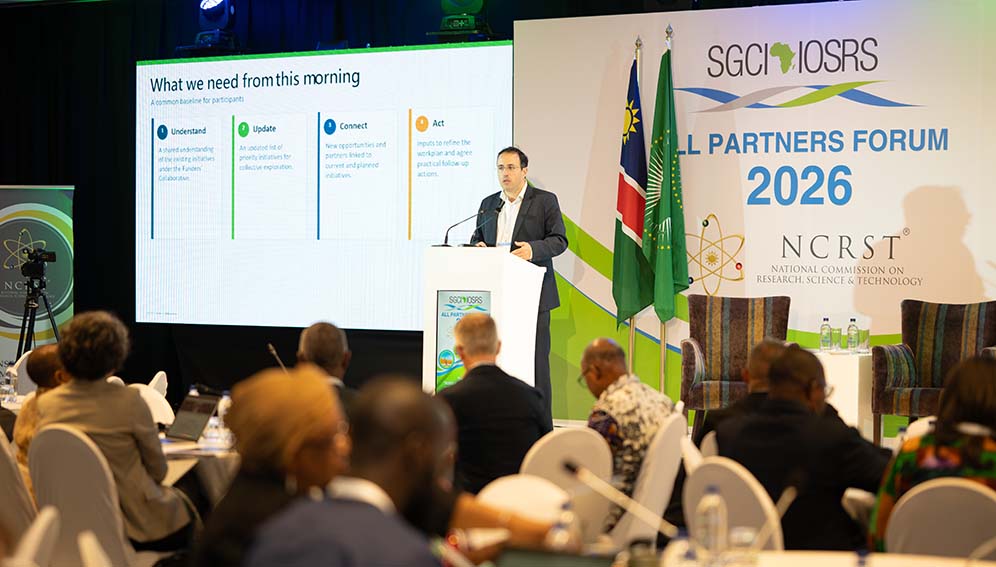
[NAMIBIA]Science Granting Councils have been urged to take greater ownership of the third phase of the Science Granting Councils Initiative (SGCI-3), as partners turned their attention to the institutional systems and partnerships needed to translate the initiative’s ambitions into results. The call came during Day…
SGCI All Partners Forum highlights Africa’s research funding needs
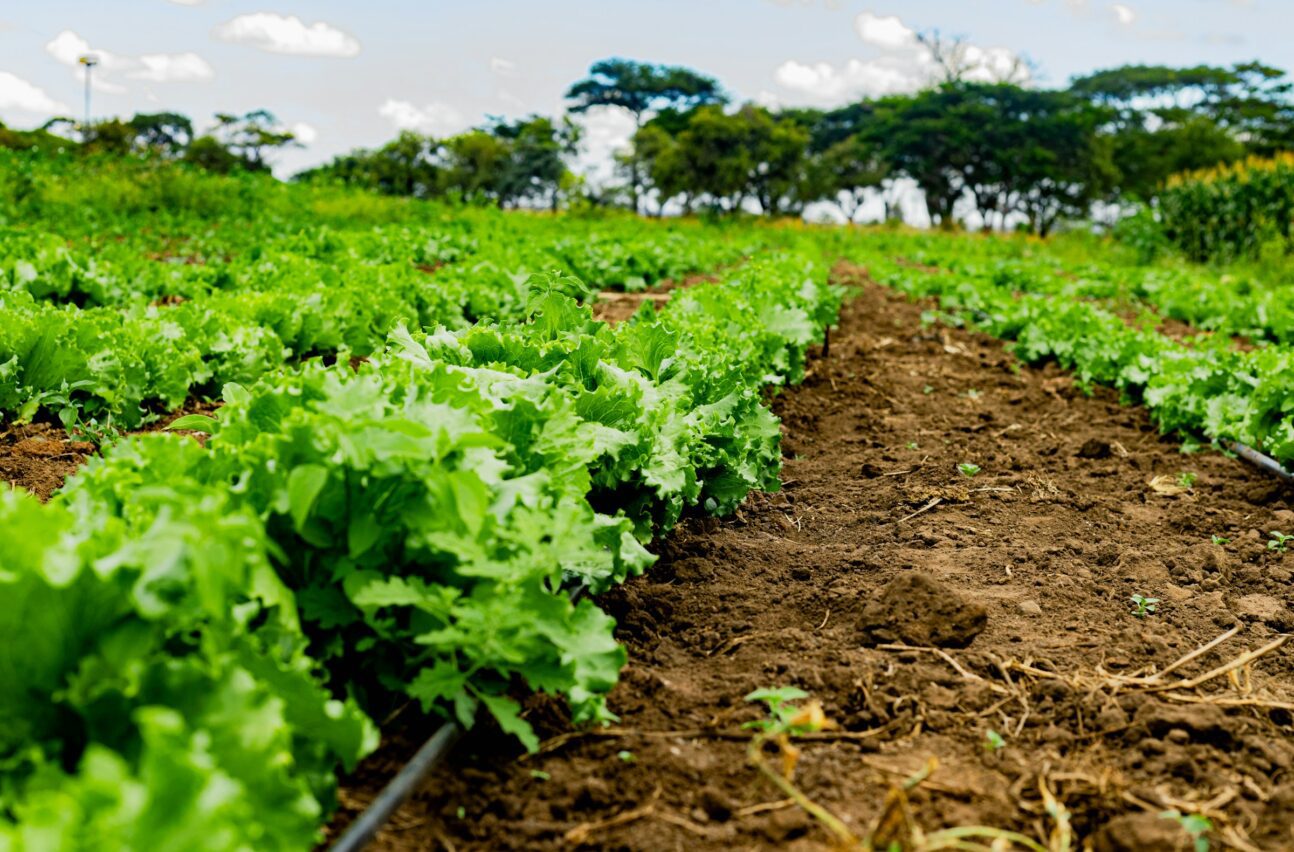
[NAMIBIA] African science granting councils are examining their reliance on international research funding as a new dashboard reveals the flow of science, technology and innovation (STI) funding into Africa. More than 170 delegates from across the world are attending the 2026 Science Granting Councils Initiative…
Research and Resources

SGCI funded projects
Rwanda’s integrated approach to sustainable agriculture and nutrition
Project Titles & Institution Areas of Research Number of Projects being funded Project Duration Grant Amount In-Kind Distribution Council Collaboration with other councils