
SGCI News
For those who missed our recent newsletter, here is a roundup of stories we published. We covered three ground-breaking initiatives that are transforming agricultural challenges into economic opportunities across East…
For those who missed our recent newsletter, here is a roundup of stories we published.
We covered three ground-breaking initiatives that are transforming agricultural challenges into economic opportunities across East and Southern Africa.
Eco-friendly kilns help Malawi’s fish curers cut losses
A study assessing the economic impact of post-harvest fisheries losses found staggering wastage: 43 per cent at the beach, 54 per cent during processing, and 69 per cent during marketing.
While the economic losses may be relatively modest, the study warned of high potential for health risks and loss of nutritional value.
With funding from the Science Granting Councils Initiative through Malawi’s National Commission for Science and Technology, researchers launched a project in 2024 to reduce these losses and improve the livelihoods of processors.
The project also targets women and young people.
Banana fibres refined for textiles, hair extensions
Ugandan researchers are transforming discarded banana stems into textiles, hair extensions, and sanitary pads, positioning the East African nation to capitalise on growing global demand for sustainable fibres.
The Banatex-EA (Banana Textiles in East Africa) project at Busitema University, eastern Uganda, has created spinnable banana fibre that can be used in textile production, presenting an alternative to cotton and synthetic materials, the researchers say.
Project leader Edwin Kamalha, a lecturer in textile engineering at the university, says the initiative will make banana production less wasteful and provide an extra source of revenue for farmers.
New cassava plant boosts income for Kenyan farmers
Kenya’s Masinde Muliro University of Science and Technology (MMUST) established a processing plant in Busia County, as part of a pilot project funded by Kenya’s National Research Fund to develop resilient crop varieties.
Vitalis Ogemah, the project’s principal researcher and a professor of agriculture at MMUST, says the project aimed to address the rising costs of energy-rich foods and animal feed, primarily caused by an overdependence on maize, a crop increasingly vulnerable to climate change-induced droughts.
He said the initiative seeks to diversify food sources and enhance food and nutrition security by promoting cassava cultivation and developing nutrient-rich cassava-based products for human and animal consumption.
Please check out the stories and let us know what you think. We would love to hear from you!
Let’s continue the conversation on our social media
Follow us on LinkedIn
Published on 20 May 2025
Related News
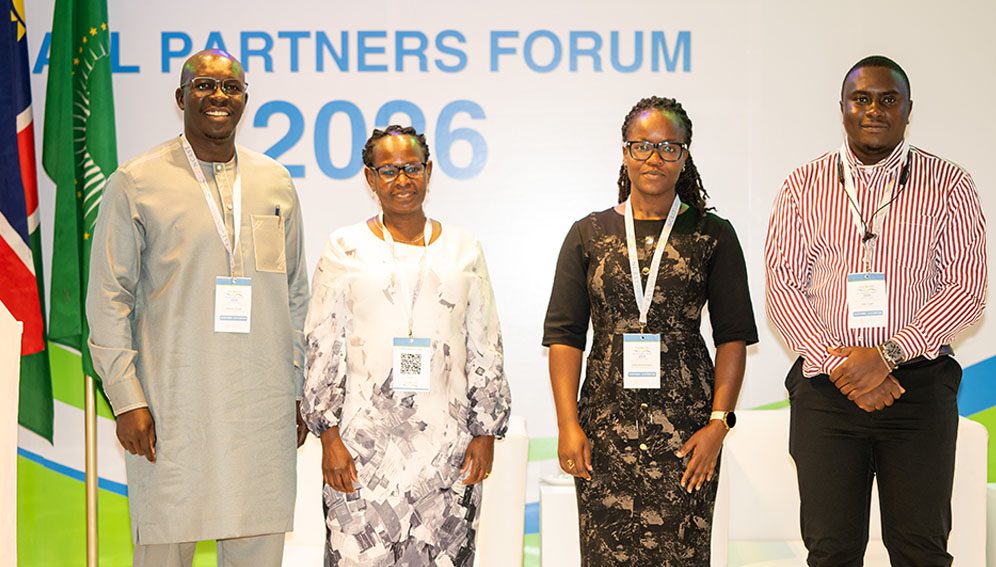
Voices from the SGCI Forum: Building an African-led science system
From calls for African-led research funding to stronger engagement with communities and governments, participants at the 2026 Science Granting Councils Initiative (SGCI) All Partners Forum left Windhoek with a shared sense that Africa’s science and innovation systems are entering a new phase. Held from 28…
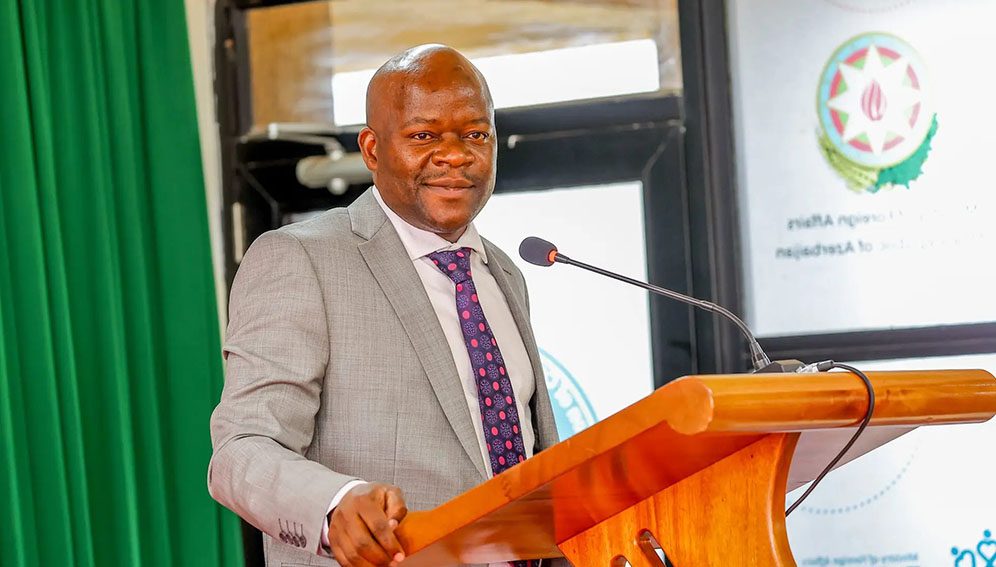
NRF champions science, climate action and youth empowerment
Kenya’s National Research Fund (NRF) is strengthening efforts to connect scientific research, innovation and youth participation with practical responses to climate and environmental challenges. NRF chief executive officer Dickson Andala represented the fund at the launch of the Climate Policy and Advocacy Training – Cohort…
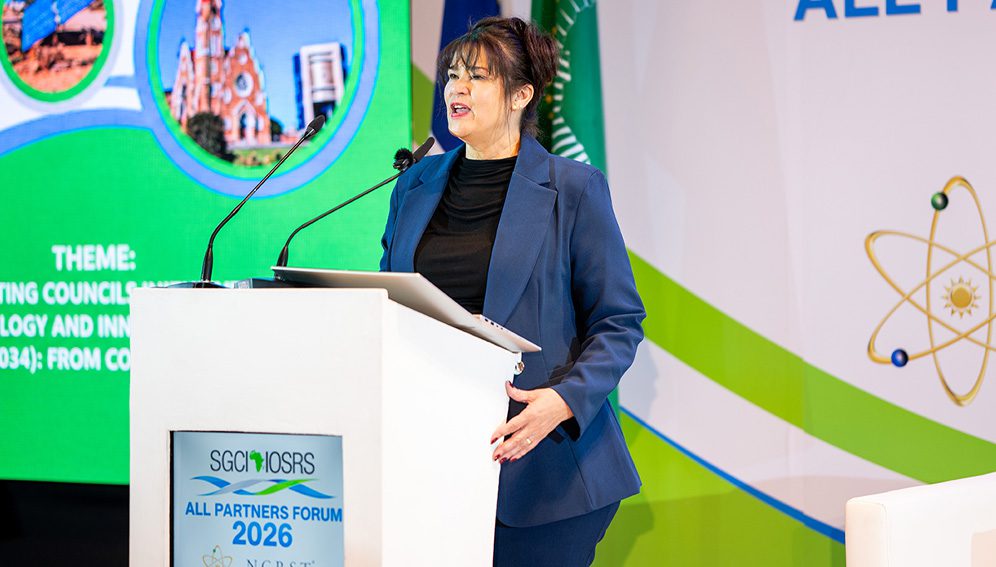
Windhoek Declaration: African science funders pledge to act as one
Science granting councils say Africa’s research systems need African ownership, steadier funding and less fragmentation. Here is what they agreed in Windhoek. African science granting councils adopted a collective declaration in Windhoek, Namibia, on 1 October 2026, as part of the Science Granting Councils Initiative…


SGCI funded projects
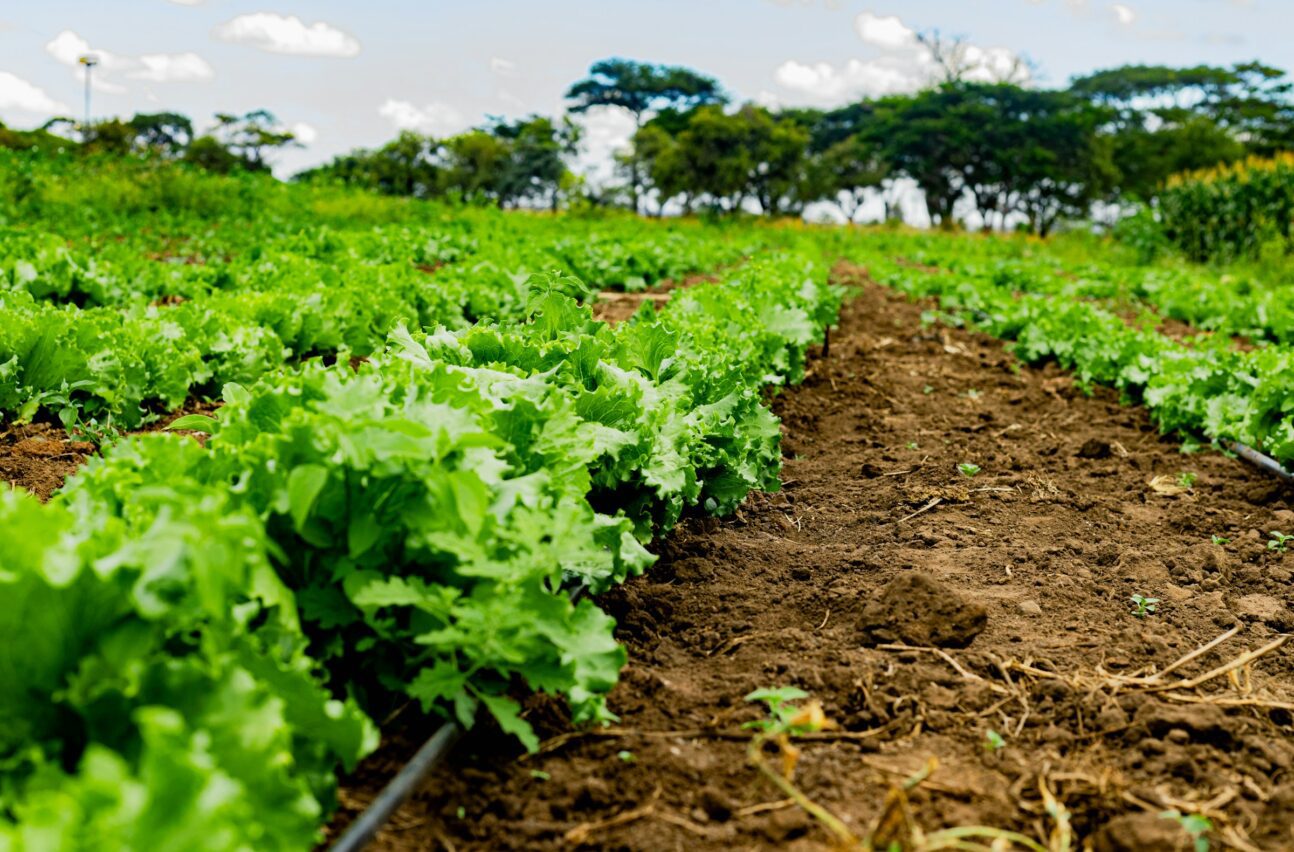
Rwanda’s integrated approach to sustainable agriculture and nutrition
Project Titles & Institution Areas of Research Number of Projects being funded Project Duration Grant Amount In-Kind Distribution Council Collaboration with other councils