
SGCI News
[KAMPALA] Ugandan researchers are transforming discarded banana stems into textiles, hair extensions and sanitary pads, positioning the East African nation to capitalise on growing global demand for sustainable fibres. The…
- Researchers in Uganda turn banana waste into fibre for textiles and hair extensions
- Research shows indigenous ‘Kayinja’ variety produces strong, spinnable fibre
- Regulatory barriers and high production costs currently limit market expansion
[KAMPALA] Ugandan researchers are transforming discarded banana stems into textiles, hair extensions and sanitary pads, positioning the East African nation to capitalise on growing global demand for sustainable fibres.
The Banatex-EA (Banana Textiles in East Africa) project at Busitema University, eastern Uganda, has created spinnable banana fibre that can be used in textile production, presenting an alternative to cotton and synthetic materials, the researchers say.
Project leader Edwin Kamalha, a lecturer in textile engineering at the university, says the initiative will make banana production less wasteful and provide an extra source of revenue for farmers.
“It’s a plant that generates a lot of waste, and if people can tap into that waste to earn an extra income, what was once discarded can become a valuable resource,” he says.
Banana fibres share several desirable properties with cotton, Uganda’s most widely used natural textile fibre, Kamalha explains. He believes the global impact of using it in textiles could be significant.
The team began their research in March 2024. They received funding of £600,600 (around 3 billion Ugandan shillings) from the Uganda National Council for Science and Technology under the Science Granting Councils Initiative (SGCI). Additional support came from partners including the UK’s Foreign, Commonwealth and Development Office.
Bananas are one of the most widely grown staple food crops in Uganda, cultivated by about three quarters of farmers. However, a significant amount of the harvested plant becomes post-harvest waste.
Most farmers, like Michael Ssali, currently leave banana pseudo-stems – the stems that transports nutrients from the soil to the fruit – in their gardens after harvest.
“They act as fertiliser when they decompose,” says Ssali.
Fibre quality
A major hurdle for the Banatex-EA project has been making banana fibre suitable for textile production.
“Banana fibre is naturally stiff and coarse, making spinning it into thread more difficult,” Kamalha explains.
His team focused on developing techniques to soften the fibre, making it more like cotton. This enabled them to produce spinnable banana fibre for cloth and hair extensions.
The researchers partnered with TEXFAD, a Ugandan textile producer, to commercialise these products.
They are also working with the Uganda National Bureau of Standards to develop official quality standards for banana fibre products.
Research by the National Agricultural Research Laboratories has identified specific varieties that work best for fibre production.
Abdullah Kaggwa, project coordinator at the laboratories, said: “We piloted products using existing banana varieties. It became very clear, however, that our indigenous variety, Musa or Kayinja, performed the best.”
“The Kayinja variety, locally used to make banana brew, was found to have stronger fibre and has a shinier appearance, making it more visually appealing and ideal for products like textiles and hair. It also yielded more fibre during extraction compared to other varieties.”
Legislative challenges
Despite technical progress, the project faces significant challenges.
Uganda has yet to pass a biotechnology bill, limiting options for genetic improvement of banana varieties for fibre production.
“You could introduce a variety specifically bred for fibre, not food, that might be allowed. But without a law on genetic engineering, progress is limited,” says Kaggwa.
“If you’re transferring genes from a banana variety used for food to one intended for fibre, the law currently does not permit that.”
Market entry presents another hurdle for banana fibre products.
According to Kamalha, banana fibre is relatively new in global trade, so lacks specific identifiers like harmonised system (HS) codes, which are used to classify products internationally. “Without these codes, entering certain markets becomes very difficult,” he says.
Consumer acceptance poses another challenge.
Carol Namuli, who has used banana fibre hair extensions, says she prefers human hair, even if it is more expensive, because it can be reused multiple times and lasts longer without getting damaged.
Kamalha’s team is working with Moi University in Kenya to assess market potential.
“Our preliminary findings show that consumers are generally open to sustainable products like banana fibre — the interest is there,” he said, while acknowledging that high production costs remain a challenge.
Future growth
Despite these hurdles, industry partners say banana fibre is the next best thing.
“I can say that banana fibre is the next fibre for everything,” says Kimani Muturi, executive director at TEXFAD.
His company has trained young people in fibre processing techniques, and is confident that banana fibre can drive growth in the textile industry.
Andrew Kiggundu, a biotechnology consultant, believes market demand will be crucial.
“Nothing develops without a strong market foundation,” he says. “If we can re-develop the market so that people actively seek out these products, then production will naturally accelerate.”
This article was written by Esther Nakazzi
Related News
](https://sgciafrica.org/wp-content/uploads/2026/09/Windhoek.jpg)
Namibia’s role in advancing Africa’s science, technology, and innovation agenda
From commitment to action – Namibia and the SGCI All Partners Forum 2026 Namibia is an important player in African research, and from 28 September to 2 October 2026, the country will host the Science Granting Councils Initiative’s (SGCI) All Partners Forum in Windhoek. With…
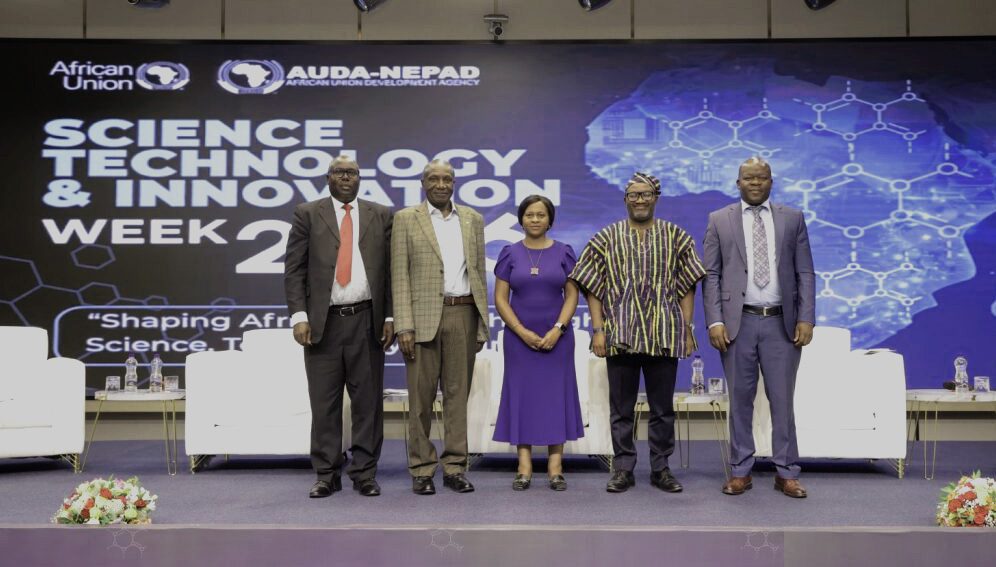
As STISA-2034 call closes, Africa’s research councils look ahead
With the deadline for the SGCI/STISA-2034 Multilateral Call approaching on 25 September, research institutions and consortia that have not yet submitted their expressions of interest have until the end of the day to do so. The Call seeks collaborative research approaches to some of Africa’s…
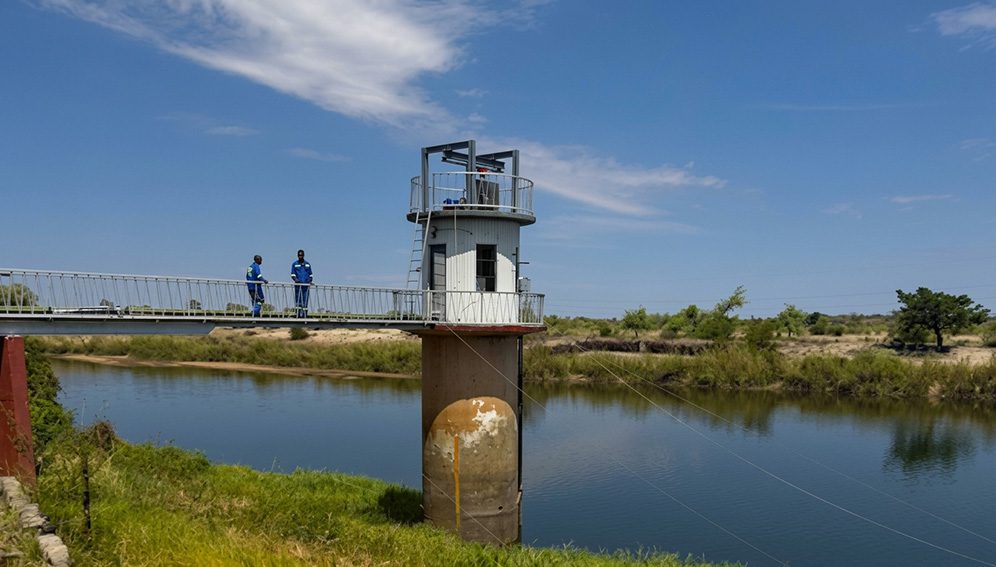
Namibia project uses household data, smart meters to rethink water
In Namibia, having water nearby does not always mean having reliable water at home. In Rundu, a growing urban centre on the perennial Okavango River, households reported the highest level of water insecurity among three towns studied by researchers. The finding illustrates a wider challenge…
Research and Resources

SGCI funded projects
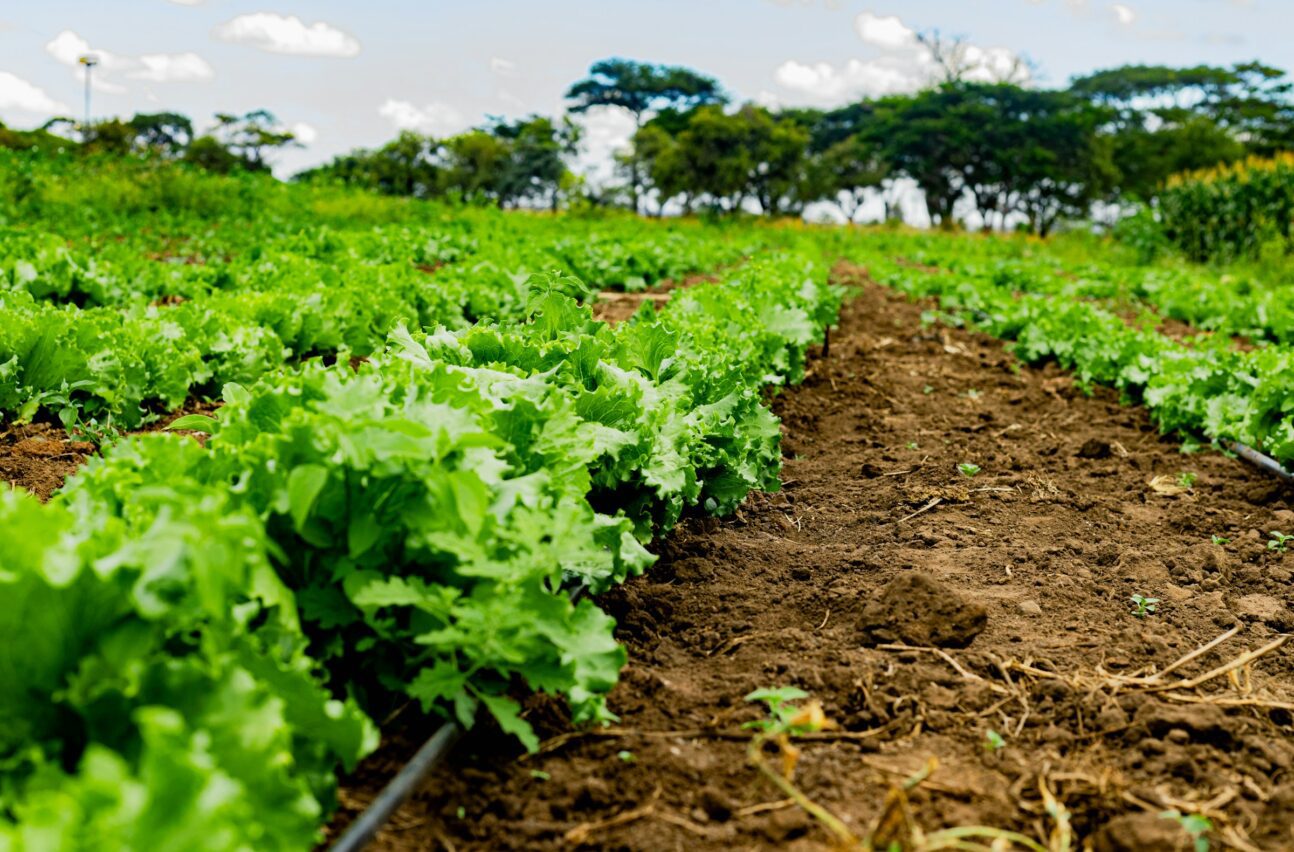
Rwanda’s integrated approach to sustainable agriculture and nutrition
Project Titles & Institution Areas of Research Number of Projects being funded Project Duration Grant Amount In-Kind Distribution Council Collaboration with other councils