
Zambia
Science Granting Council
Summary
The National Science and Technology Council (NSTC) of Zambia promotes, coordinates, and regulates scientific research and technological development in the country. It advises the government on science and technology policies to foster innovation and drive national development.
Council details
The National Science and Technology Council (NSTC) is Zambia’s principal body for promoting, coordinating, and regulating scientific research and technological development. It provides expert policy advice to the government, supporting the integration of science and technology into national development strategies.
NSTC’s mandate is structured around five strategic pillars: promotion of science, technology, and innovation (STI); regulation of research; resource mobilisation; coordination of research efforts; and providing policy guidance to the government. These functions position NSTC at the core of Zambia’s drive to create a knowledge-based, innovation-led economy.
Advancing STI through the SGCI
NSTC has been an active member of the Science Granting Councils Initiative (SGCI) since its inception in 2015. Through SGCI support, NSTC manages competitive research calls focused on sustainable agriculture, energy, climate-smart technologies, and mining value addition. These areas are aligned with Zambia’s Eighth National Development Plan and national priorities for inclusive economic growth.
A key example of SGCI-enabled collaboration is NSTC’s joint implementation of a multi-country research project with Namibia’s National Commission on Research, Science and Technology and Mozambique’s National Research Fund. These cross-border partnerships promote regional learning and strengthen Zambia’s innovation ecosystem.
SGCI engagement has also enhanced NSTC’s visibility, unlocking national funding and improving its influence in Zambia’s research and development landscape. NSTC has benefited from SGCI’s capacity strengthening theme through a partnership with the African Association of Universities to enhance research management practices. Aligned with SGCI’s gender mainstreaming objectives, the Council launched a mentorship programme aimed at encouraging young girls to pursue careers in science and technology.
Leadership Perspective: Driving STI for National Impact
In an interview, Atridah Mulonga, Programme Manager for Grants at NSTC, reflected on the Council’s journey since its establishment in 1997. She highlighted its operational launch in 2000 and ongoing mission to advance STI as a pathway to improving the quality of life for Zambians.
Impact we’re having

Stories of change
Low-tech health app engages
Five years after its launch, PENSA – a mobile app developed in Mozambique— has been accessed by…
SGCI funded projects

Zambia’s top researchers pioneer solutions for climate resilience, food security, economic growth
Project Titles & Institution Areas of Research Number of Projects being funded Project Duration Grant Amount In-Kind Distribution Council Collaboration with other councils

Namibia explores soil microbe biofertilizer research for sustainable agriculture
Project Titles & Institution Areas of Research Number of Projects being funded Project Duration Grant Amount In-Kind Distribution Council Collaboration with other councils
Research and Resources

Related News

Transforming research funding for gender equity in Africa
Decisions about what gets funded, who receives grants, and which questions are considered worth asking shape the very nature of knowledge. And for too long, those decisions have reflected and reinforced deep inequalities, particularly for women, who make up only 30 per cent of researchers…
Microbes offer path to climate-smart farming
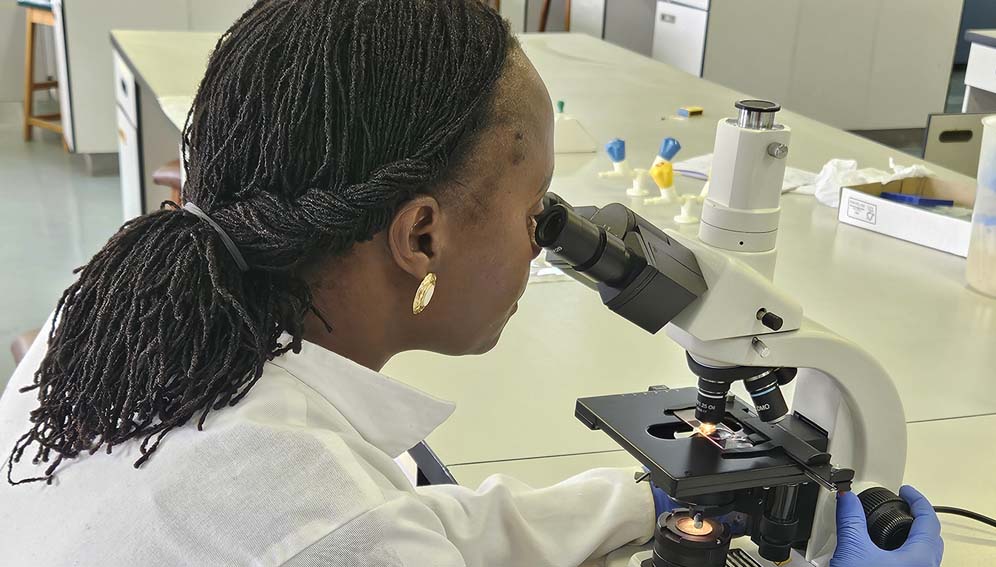
In Namibia’s dry and unpredictable climate, where farmers contend with poor soils and short rainfall seasons, researchers are working to reshape how crops are grown across the country. At the University of Namibia, Moola Nyambe is leading this research with support from the Science Granting Councils Initiative (SGCI) through Namibia’s…
Tiny satellites help warn communities of deadly floods
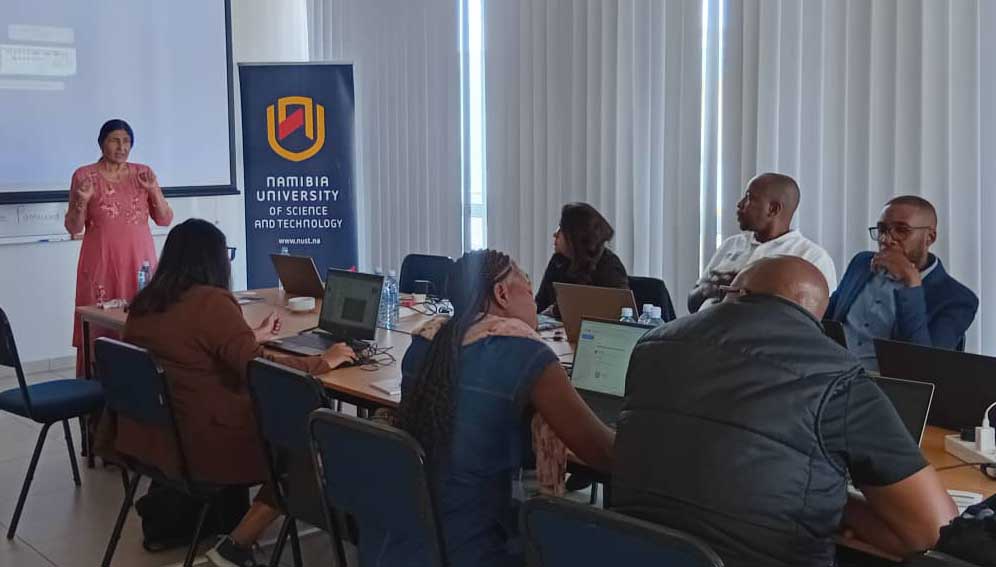
Flash floods have become a recurring threat in parts of Namibia, cutting off communities, trapping school children, and, in some cases, leading to fatalities. But a locally led space-tech initiative is working to change that by bringing faster, more precise disaster warnings closer to home….