
Botswana
Science Granting Council
Summary
The Ministry of Tertiary Education, Research Science and Technology exists to provide and build knowledge and innovation through the development and implementation of Policy on Tertiary Education, Research, Science and Technology to transform Botswana in to a knowledge based society through effective stakeholder collaboration.
Council details
The Ministry of Tertiary Education, Research, Science and Technology leads Botswana’s national efforts to advance research, science, and technology. Its vision is to drive sustainable development through research that benefits the economy and improves the quality of life for all Batswana.
The Ministry aims to build a robust research and innovation ecosystem. This includes effective research management and increasing the impact of science and technology on national development. By promoting collaboration across sectors, the Ministry ensures that research aligns with Botswana’s development goals.
Establishing the Botswana National Research Fund
Plans are underway to launch the Botswana National Research Fund (BNRF). The Fund will serve as a key pillar in the country’s science and innovation ecosystem. Its responsibilities will include developing a national research strategy and fostering partnerships between the government, private sector, and international stakeholders.
The BNRF will also facilitate cross-border collaboration with other countries in Sub-Saharan Africa. Its creation is a significant step toward a coordinated and strategic approach to research funding and innovation in Botswana.
A Member of the SGCI Since 2016
Botswana has been a member of the Science Granting Councils Initiative (SGCI) since 2016. The SGCI works to strengthen the institutional capacities of Science Granting Councils across Sub-Saharan Africa.
Through this partnership, Botswana has benefited from training in research management, ethics, and intellectual property. It has also collaborated with 12 other countries on joint research projects, such as a funding call with the Research Council of Zimbabwe (RCZ).
The SGCI’s strategic support extends beyond financial aid. It builds the institutional capacity needed to manage research effectively. This includes developing skills in grant management, monitoring and evaluation, and policy development.
Botswana hosted the SGCI Annual Forum in Gaborone in 2024, welcoming participants from across the region to exchange insights and best practices.
Leadership Perspective: Research funding creating impactful outcomes in Botswana
In an insightful interview, Lesego Thamae, Deputy Permanent Secretary at the Botswana Ministry of Communications, Knowledge and Technology, highlights how Botswana is making concrete impact through research and innovation.
Impact we’re having
Stories of change
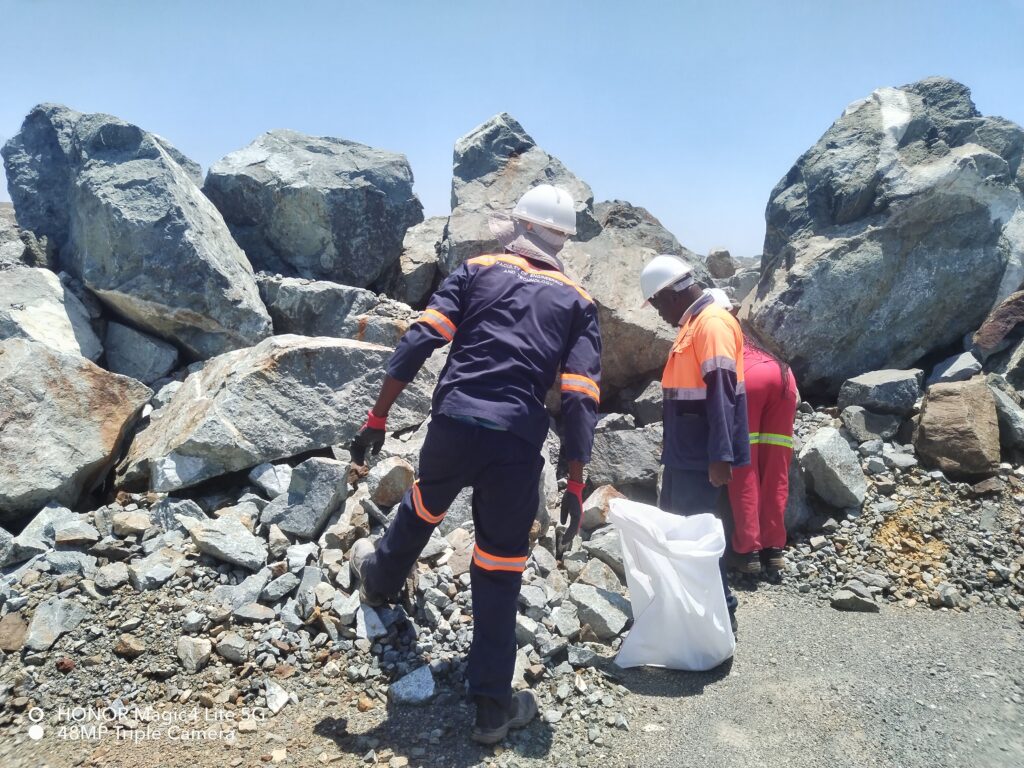
Waste at a Botswana nickel mine may hold battery metals
Researchers say waste material at a Botswana nickel mine contains viable amounts of nickel, cobalt and copper,…
SGCI funded projects

Zimbabwe, Botswana, and Malawi collaborate on science and technology projects
Project Titles & Institutions Areas of Research Biotechnology, mining technology, space science, digital communication technologies, climate smart technologies, AI, agro-processing and renewable energy Number of Projects being funded In-kind Distribution In-kind support (~USD 5K each) covering…

Botswana Institutions pioneer water, mining, and tech solutions
Project Titles & Institution Areas of Research Mineral Technology, value addition, and/or beneficiation Number of Projects being funded 4 projects (2 collaborative and the other two solely by Botswana) Project Duration 19 months Grant Amount…


Related News
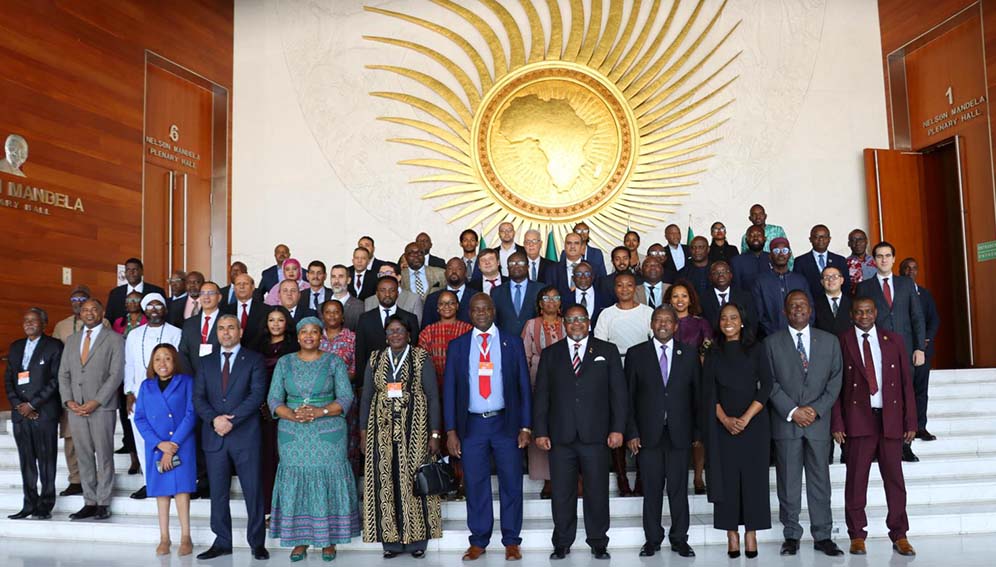
African Union backs science councils to drive STISA-2034 agenda
African Union ministers have recognised Science Granting Councils Initiative (SGCI) member institutions as primary vehicles for implementing Africa’s new science, technology and innovation strategy, strengthening the role of national research funding agencies in driving the continent’s development priorities. The recognition was made during the 6th…

Ghana strengthens safeguards for emerging malaria gene-drive research
As Ghana explores gene-drive technology as a potential tool for malaria control, stronger regulatory oversight and collaboration between research institutions and government will be essential to ensuring that scientific innovation does not compromise public health or environmental safety. Ghana is considering the scientific and regulatory…
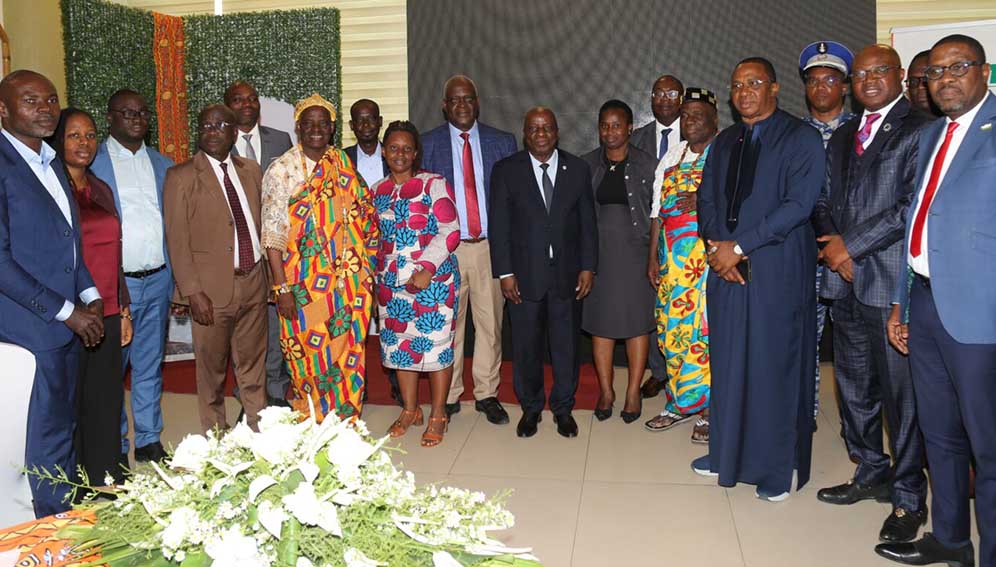
Ivorian researchers develop solutions to illegal gold mining damage
Locally developed technologies for detecting heavy metals in water and restoring contaminated farmland could help Côte d’Ivoire address the environmental and public health consequences of illegal gold mining. Illegal gold mining has affected 29 of Côte d’Ivoire’s 31 regions, threatening water resources, agricultural land and…