
SGCI News
[NAIROBI] A solar-powered, “pay-as-you-go” irrigation system being piloted in Mozambique and Zambia is reducing farmers’ dependence on rainfall and easing the burden of water collection on women. The two countries…
- Solar-powered irrigation system trialled in Zambia and Mozambique
- Project seeks to ease burden for women affected by drought
- Pay-as-you-go model designed to be sustainable
[NAIROBI] A solar-powered, “pay-as-you-go” irrigation system being piloted in Mozambique and Zambia is reducing farmers’ dependence on rainfall and easing the burden of water collection on women.
The two countries are prone to both floods and droughts, which are becoming more frequent and intense due to climate change. Since early 2024, Zambia has been in the grip of its worst drought in two decades.
With limited access to land, water, and farming technologies, women are often the hardest hit.
“We want to increase the penetration of climate-smart agriculture that is not rainfall-dependent in rural communities,” says lead researcher Sam Sichilalu, a renewable energy expert at the University of Zambia.
Sichilalu’s team, along with researchers in Mozambique, have developed a solar-powered photovoltaic irrigation system, which uses solar panels to generate electricity, powering a pump to deliver water for irrigation.
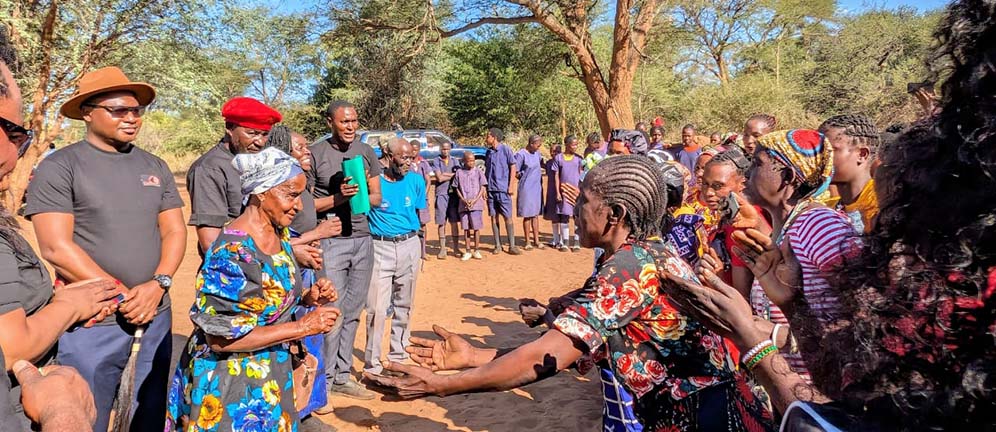
The pump is used to get water from boreholes, enabling villagers — often women and girls — to access clean water for domestic use and farming, without having to walk miles to fetch it.
“Some villages in Zambia do not have a single stream passing through, and women have to walk over 10 kilometres to fetch water from the nearest one,” says Sichilalu.
“There are a few dams in some remote villages, but many of them have dried up.”
Since March last year, the researchers have piloted the system in two villages, one in Zambia and one in Mozambique. Working with the communities to implement it, they have reached more than 1,000 households with clean water and energy.
The setup also includes charging stations to power lighting for people’s homes.
“In Zambia, we get electricity for only four hours a day, meaning we lose 20 hours of production daily due to power rationing,” Sichilalu adds.
Pay-as-you-go
As part of the pilot, the researchers introduced a sustainable financial model where users pay for the water they consume — a strategy designed to ensure long-term access, ownership, and empowerment, particularly for women.
The project is funded by the Science Granting Councils Initiative through Zambia’s National Science and Technology Council. But the researchers hope the community payment structure will ensure it is sustainable beyond the life of the grant.
Baseline surveys conducted by the team show that rural residents are willing and able to pay for the service, even if this might mean selling chickens or livestock, according to Sichilalu.
For many it is a price worth paying for easy access to water and energy.
Those who consume the water but don’t pay are disconnected from the system, a rule the project enforces strictly to encourage accountability, Sichilalu stresses.

Villagers are taught to operate, maintain, and repair the systems, and are trained in basic farming methods. They also learn about disease detection and control, nutrition, and social change, including discouraging the practice of sending children long distances to fetch water when it is now accessible nearby.
“We want people to prepare prototypes, maintain them, identify, monitor, repair, and at the same time, use them to the maximum,” says Sichilalu, who hopes the project will
foster the use of solar technologies more broadly in the two countries.
Although financing remains a challenge, the researchers hope to reinvest profits from the current pilot sites into new locations.
Written by Gilbert Nakweya
Related News
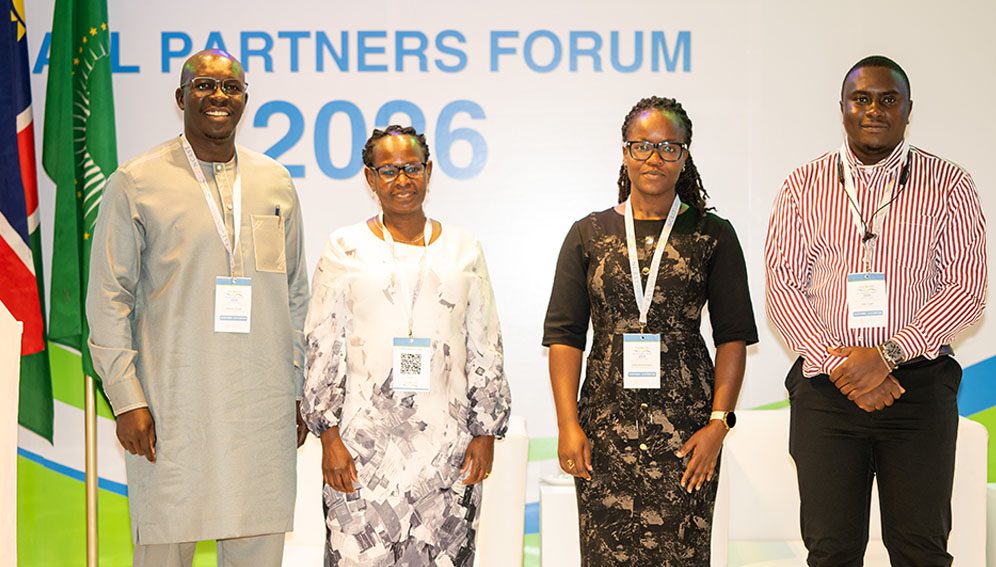
Voices from the SGCI Forum: Building an African-led science system
From calls for African-led research funding to stronger engagement with communities and governments, participants at the 2026 Science Granting Councils Initiative (SGCI) All Partners Forum left Windhoek with a shared sense that Africa’s science and innovation systems are entering a new phase. Held from 28…
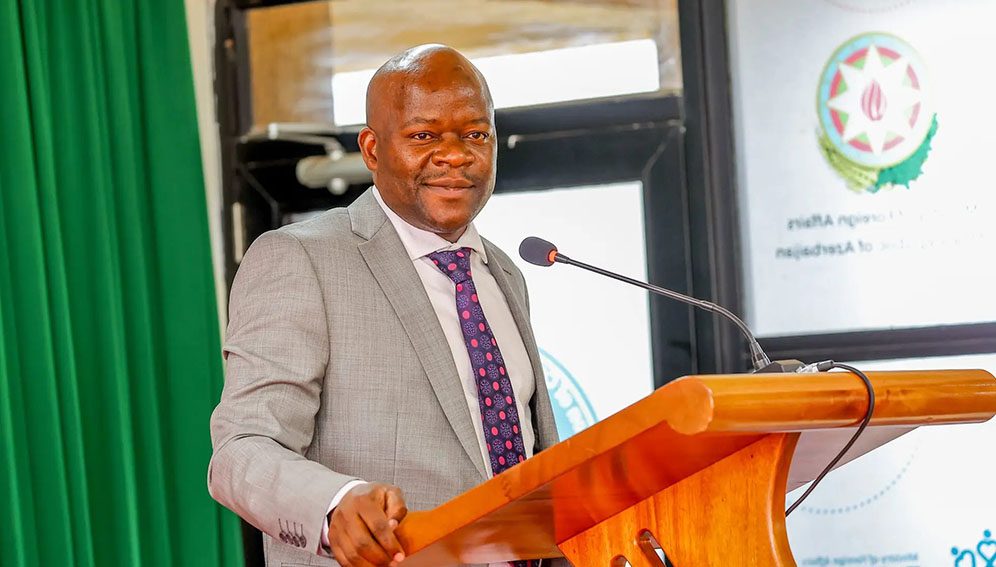
NRF champions science, climate action and youth empowerment
Kenya’s National Research Fund (NRF) is strengthening efforts to connect scientific research, innovation and youth participation with practical responses to climate and environmental challenges. NRF chief executive officer Dickson Andala represented the fund at the launch of the Climate Policy and Advocacy Training – Cohort…
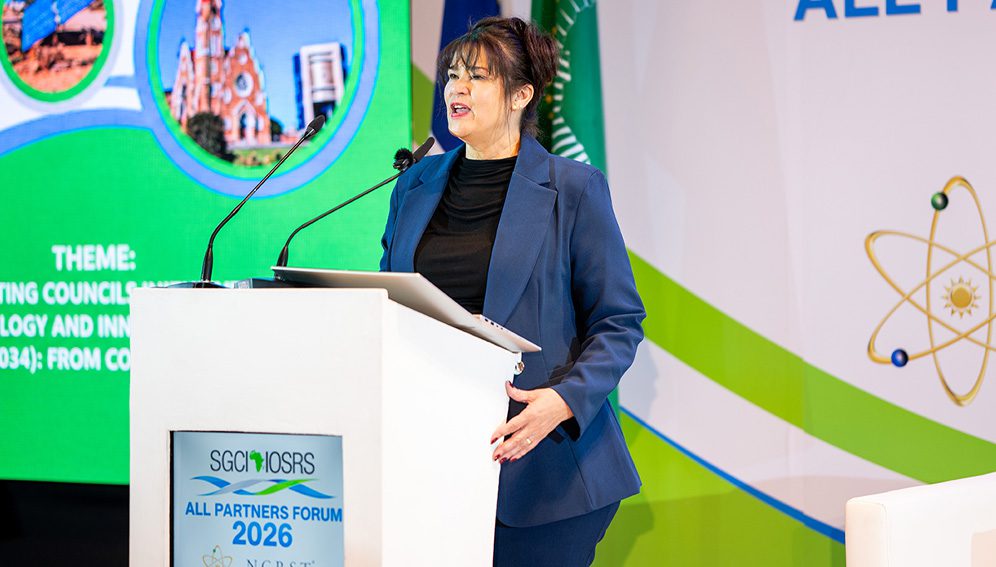
Windhoek Declaration: African science funders pledge to act as one
Science granting councils say Africa’s research systems need African ownership, steadier funding and less fragmentation. Here is what they agreed in Windhoek. African science granting councils adopted a collective declaration in Windhoek, Namibia, on 1 October 2026, as part of the Science Granting Councils Initiative…


SGCI funded projects

Rwanda’s integrated approach to sustainable agriculture and nutrition
Project Titles & Institution Areas of Research Number of Projects being funded Project Duration Grant Amount In-Kind Distribution Council Collaboration with other councils