
Mozambique
Science Granting Council
Summary
The mission of the Fundo Nacional de Investigação (FNI) is to promote the dissemination of scientific knowledge, scientific research, technological innovation and the training of researchers, contributing, in particular, to the reduction of poverty in the country and, in general, to the socio-economic development of Mozambique.
Council details
The Fundo Nacional de Investigação (FNI) plays a crucial role in promoting scientific research, technological innovation, and knowledge dissemination in Mozambique.
Its mission is to contribute to the country’s socio-economic development and poverty reduction through science and innovation. FNI also supports the training of researchers, helping build a skilled research workforce across Mozambique.
The Fund’s efforts align with national development goals and regional frameworks, such as the African Union’s Agenda 2063 and SADC funding agreements. These frameworks guide Mozambique’s research priorities and help secure sustainable funding.
Strengthening Research Through SGCI
Fundo Nacional de Investigação joined the Science Granting Councils Initiative (SGCI) to enhance its research funding and policy development capacities. Through this partnership, Mozambique has gained visibility as a reliable science funding partner.
The SGCI has supported policy discussions, ecosystem development, and collaboration. It also advocates for governments to invest 1% of GDP in research, a target Mozambique supports.
By participating in SGCI, FNI has improved its role in regional and global science networks. This includes attracting new funding and influencing national research policies. FNI sees SGCI as a catalyst for change and encourages other African nations to join. Their involvement demonstrates how strategic partnerships can strengthen research systems across the continent.
Building Strategic Partnerships
FNI values formal agreements with fellow science granting councils. It has a Memorandum of Understanding with South Africa’s National Research Foundation (NRF). This partnership includes the Oliver Tambo Research Chairs, which fund researchers both nationally and regionally. Mozambique also takes part in Africa-Japan collaborative research programmes (AJ-Core).
These partnerships demonstrate the value of science to governments and encourage increased investment. FNI advocates for African funding independence, aligned with regional and national development goals.
Leadership Perspective: Driving Sustainability Through Science
In a recent interview, Dirce Madeira, Head of the Projects M&E Department, and Edson Faria, Financial Chief at FNI, discussed the Fund’s evolving role. They emphasised how SGCI participation has helped position African science granting councils as partners of choice. They also highlighted the value of international collaboration in securing sustainable funding for African-led research.
With continued support from SGCI and regional partners, FNI is committed to building a sustainable and impactful research ecosystem in Mozambique and beyond.
Impact we’re having
Stories of change
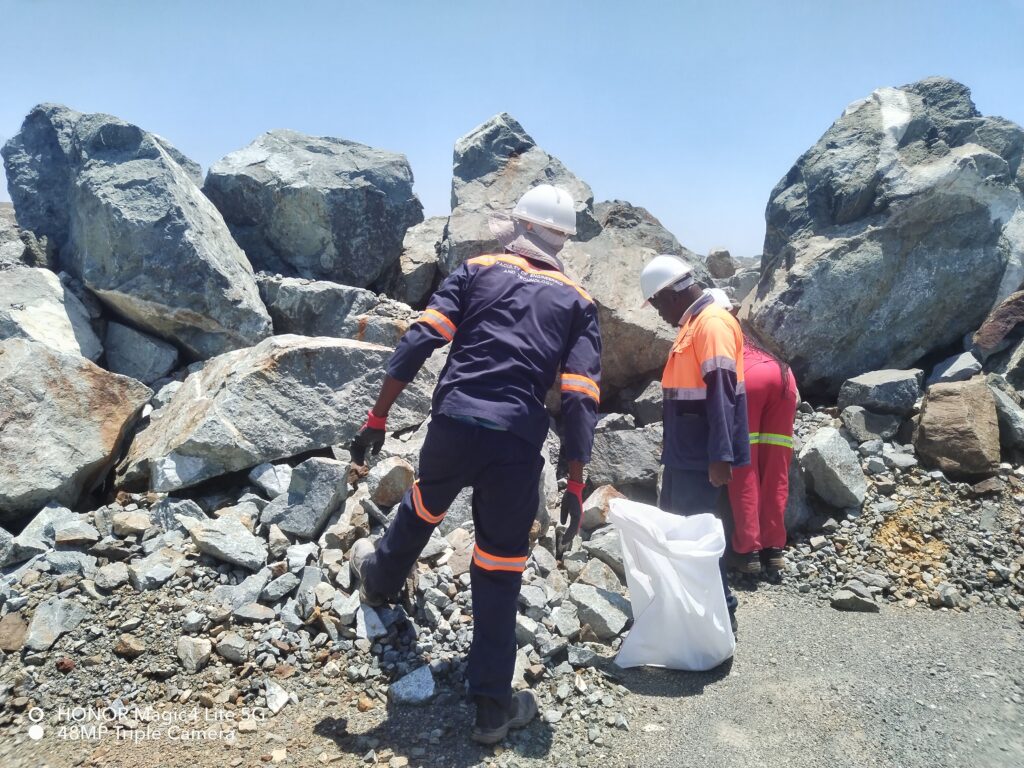
Waste at a Botswana nickel mine may hold battery metals
Researchers say waste material at a Botswana nickel mine contains viable amounts of nickel, cobalt and copper,…
SGCI funded projects
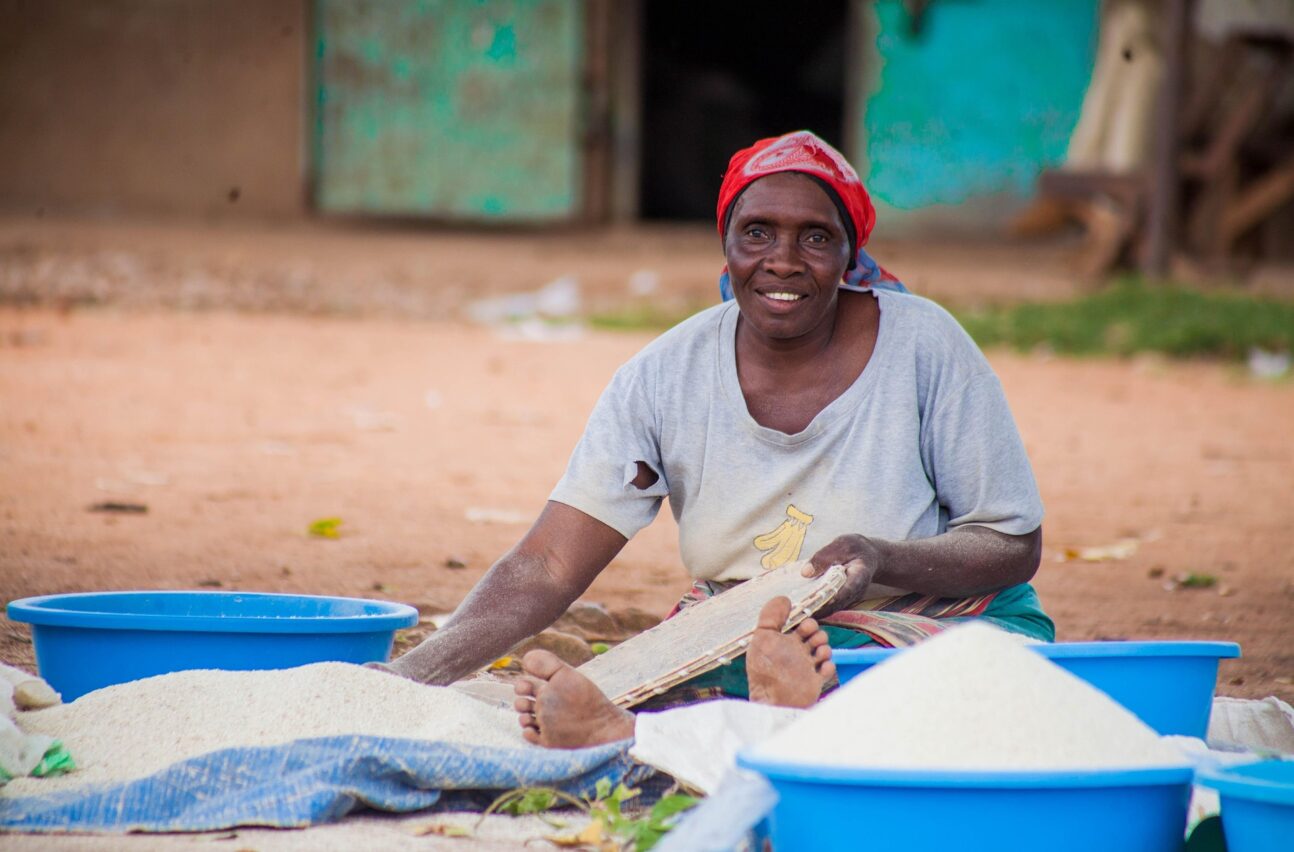
Zambia’s top researchers pioneer solutions for climate resilience, food security, economic growth
Project Titles & Institution Areas of Research Number of Projects being funded Project Duration Grant Amount In-Kind Distribution Council Collaboration with other councils
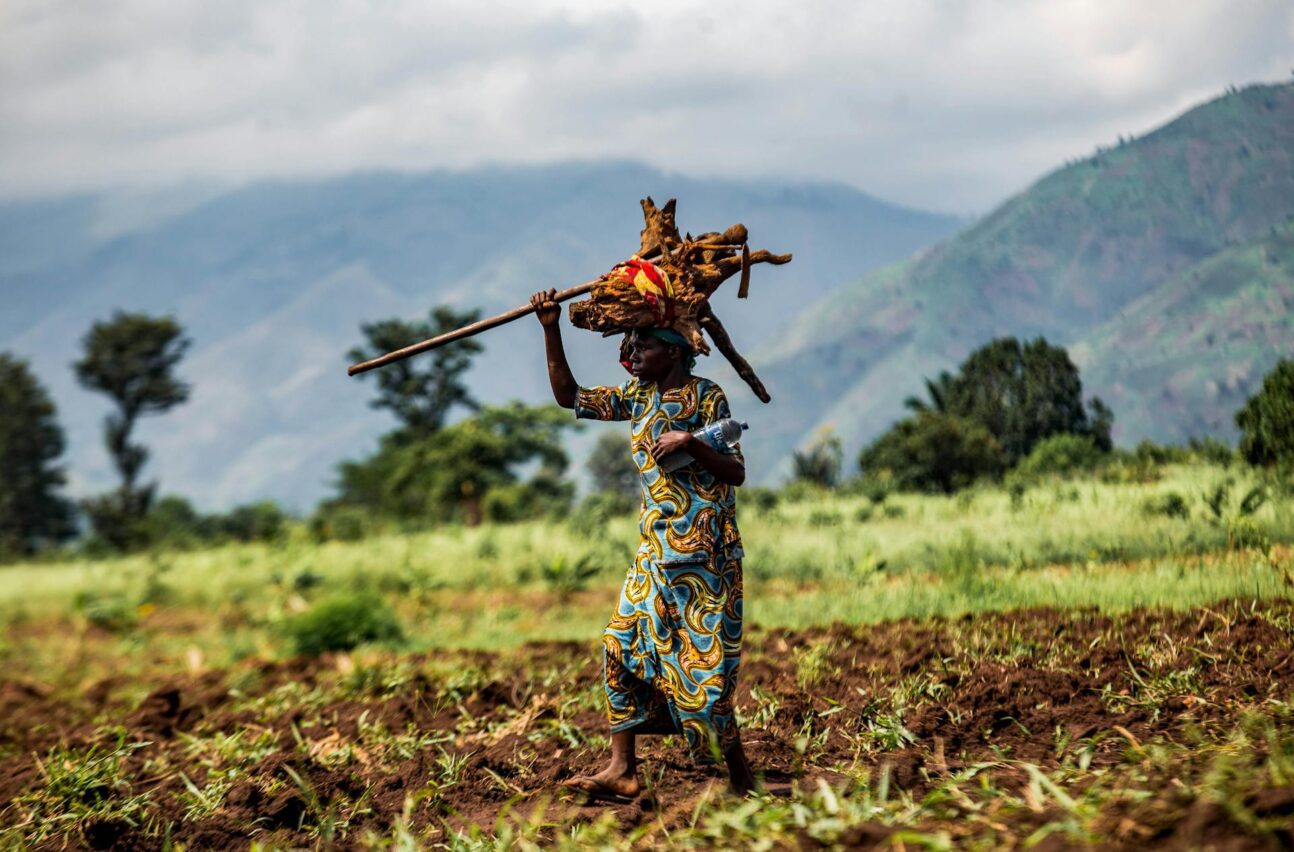
Côte d’Ivoire’s researchers tackle climate change, food security, environmental challenges
Project Titles & Institution Areas of Research Number of Projects being funded Project Duration Grant Amount In-Kind Distribution Council Collaboration with other councils

Mozambican Institutions pioneer climate-smart agriculture
Project Titles & Institution AGRI-FLOODS Areas of Research Number of Projects being funded Project Duration Grant Amount In-Kind Distribution Council Collaboration with other councils


Related News
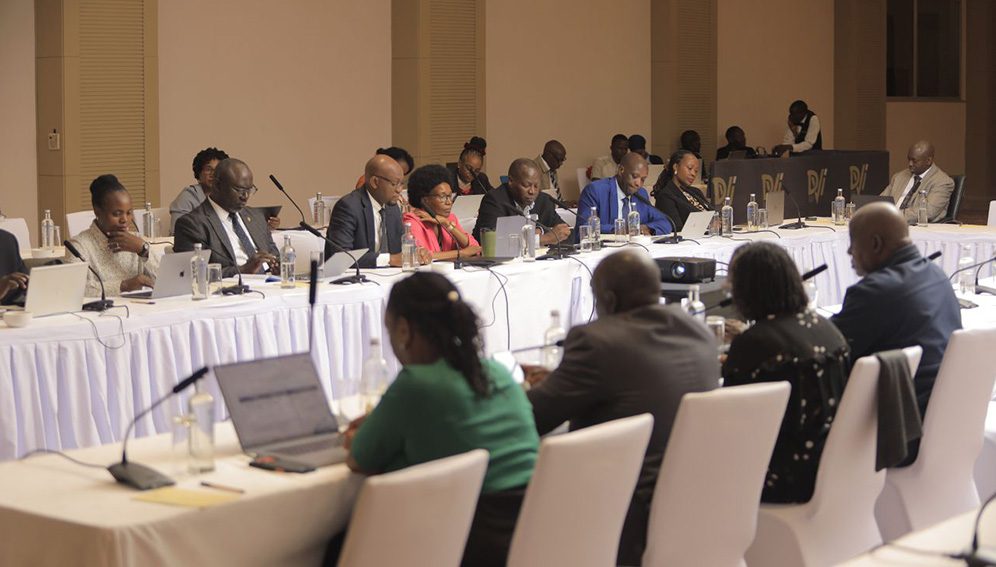
Uganda seeks stronger STI ties to drive its $500bn economy
Uganda’s ambition to grow its economy to US$500 billion will depend partly on stronger collaboration across its science, technology and innovation (STI) ecosystem, the country’s science and technology council has said. The Uganda National Council for Science and Technology (UNCST) is calling for closer coordination…
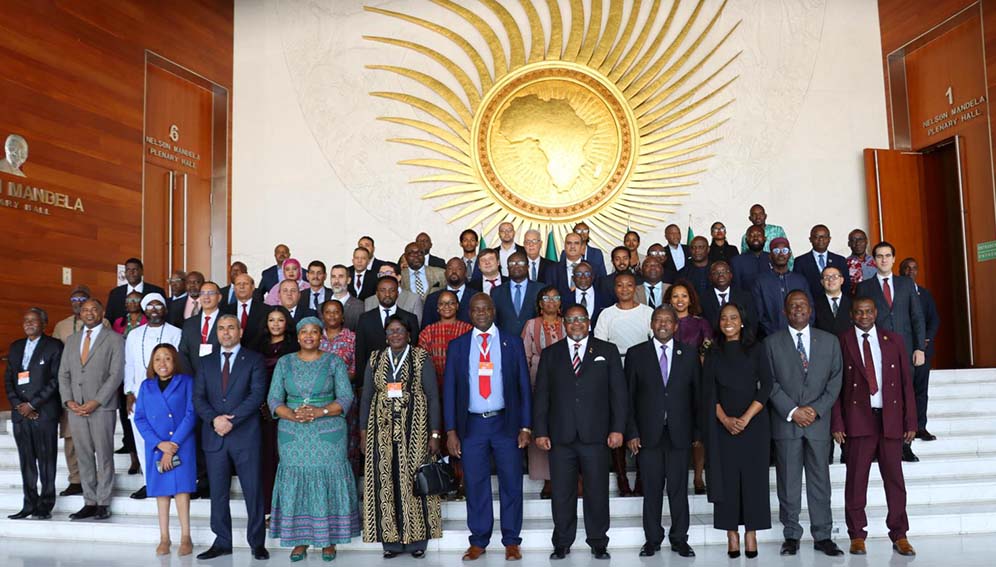
African Union backs science councils to drive STISA-2034 agenda
African Union ministers have recognised Science Granting Councils Initiative (SGCI) member institutions as primary vehicles for implementing Africa’s new science, technology and innovation strategy, strengthening the role of national research funding agencies in driving the continent’s development priorities. The recognition was made during the 6th…

Ghana strengthens safeguards for emerging malaria gene-drive research
As Ghana explores gene-drive technology as a potential tool for malaria control, stronger regulatory oversight and collaboration between research institutions and government will be essential to ensuring that scientific innovation does not compromise public health or environmental safety. Ghana is considering the scientific and regulatory…