
SGCI News
[BLANTYRE, MALAWI] A biogas plant in Malawi has transformed the lives of mothers, girls, and children in local communities by reducing reliance on firewood and providing them with clean and…
- Malawi biogas plant reduces firewood reliance, provides clean energy
- Only ten per cent of population in the country can access electricity
- Renewable energy project manages organic waste, reduces soil degradation
[BLANTYRE, MALAWI] A biogas plant in Malawi has transformed the lives of mothers, girls, and children in local communities by reducing reliance on firewood and providing them with clean and sustainable energy, its developers say.
Only ten per cent of the Malawian population has access to electricity while the majority of the population relies on biomass in the form of charcoal and firewood, which has severe environmental, health and deforestation impacts.
Researchers at the Ndata School of Climate and Earth Sciences of the Malawi University of Science and Technology (MUST) decided to tackle this problem by building a facility that would convert waste into biogas.
They set up the Tsangano biogas plant in November 2020 to address energy poverty and improve livelihoods in surrounding communities.
“Mothers, girls, and children in the community around the market have more time for working and studying since they do not have to spend more time in search of firewood,” says Mapereka Chagunda, lecturer in renewable and sustainable energy at MUST.
The biogas plant, funded by the Science Granting Councils Initiative in partnership with Malawi’s National Commission for Science and Technology, turns organic waste into biogas, which is sold to the community and businesses.
The biogas plant consists of two digesters, each producing 14 backpacks, used to store and transport 1m3 of gas. One digester can cover 160 people for three days according to Chagunda.
Changuda says the plant also helps to ease soil degradation by producing biofertiliser as a byproduct, which is used to condition the soils, replacing chemical fertilisers.
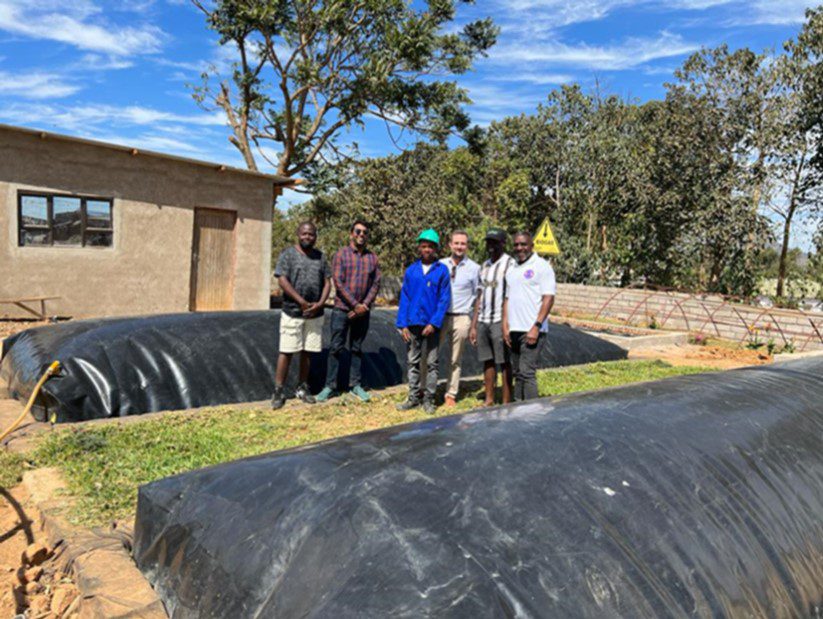
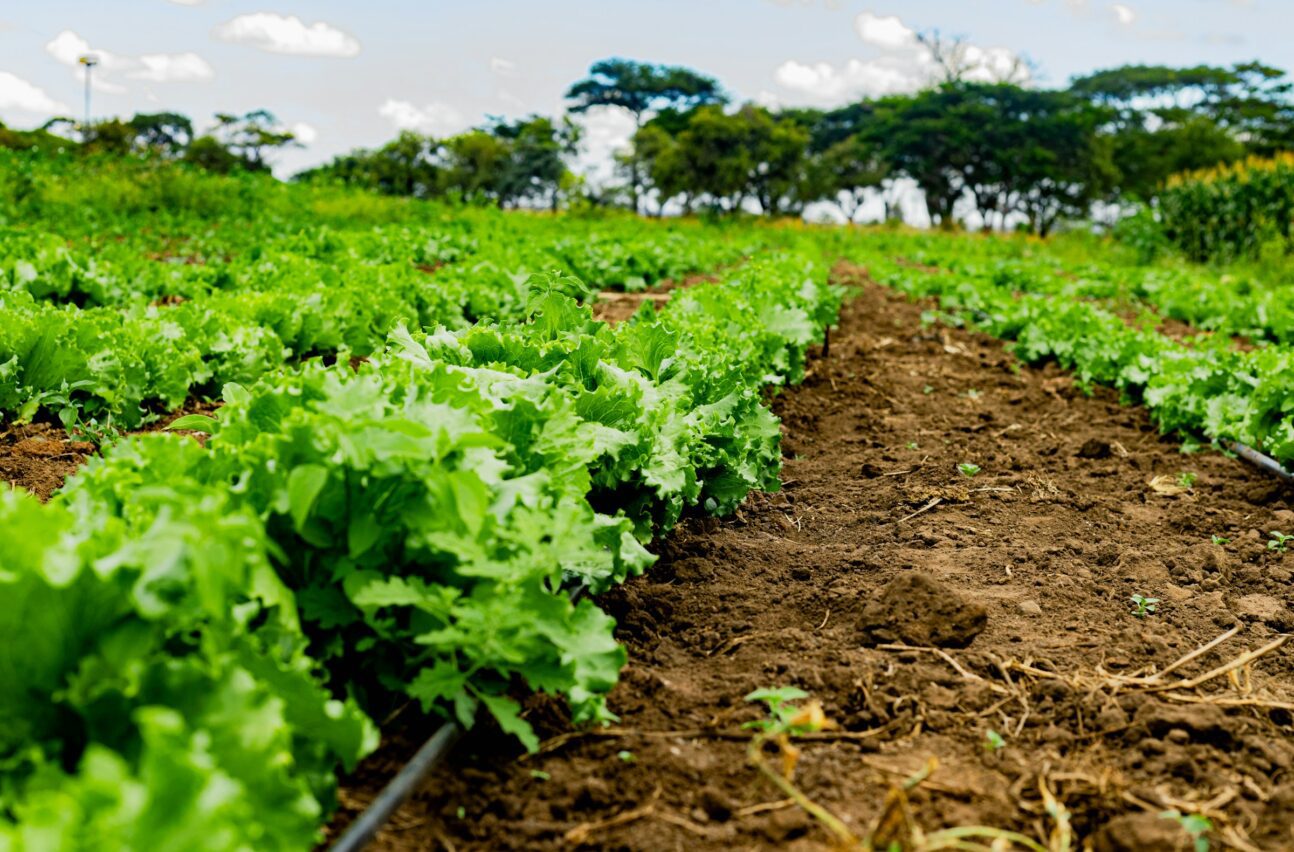
“The biofertiliser is sold to small-scale farmers that grow vegetables to sell to the communities,” adds Chagunda.
“This has improved food security and nutrition in the area.”
Various organic materials such as poultry droppings, cattle dung, kitchen, night soil and agricultural wastes are used to generate the biogas.
The waste collection system improves sanitation in and around markets which are typically plagued by heaps of waste, explains Changuda. He says the efficient management of waste reduces the risk of water-borne diseases like cholera and indoor pollution-related illnesses.
“The gas is cheaper than the other types of gas… and the market is clean, thanks to the waste collected,” says Chagunda.
“There is also a borehole that supplies water to the biogas plant and clean water to the market.”
The biogas is being sold to community members and businesses in the market as they work towards purification and bottling of the gas, he adds. It is composed of methane, carbon, some traces of hydrogen and sulphide, and moisture.
The process of turning organic waste into gas is called anaerobic digestion. This involves the decomposition of organic materials in the absence of oxygen, which takes place in a reactor, Chagunda explains.
Dave Kandodo, a technician at EcoGen, a Malawian company that produces low-cost domestic biodigesters, says biogas technology could be a solution for Malawi, as the country has limited access to electricity. “The biogas system has several advantages, including being a renewable energy source, managing organic waste, and promoting energy independence,” says Kandodo.
Article written by: Charles Pensulo
Related News
NRF champions science, climate action and youth empowerment
Kenya’s National Research Fund (NRF) is strengthening efforts to connect scientific research, innovation and youth participation with practical responses to climate and environmental challenges. NRF chief executive officer Dickson Andala represented the fund at the launch of the Climate Policy and Advocacy Training – Cohort…
Windhoek Declaration: African science funders pledge to act as one
Science granting councils say Africa’s research systems need African ownership, steadier funding and less fragmentation. Here is what they agreed in Windhoek. African science granting councils adopted a collective declaration in Windhoek, Namibia, on 1 October 2026, as part of the Science Granting Councils Initiative…
Africa’s science councils urged to turn pledges into real impact
[NAMIBIA] African countries must strengthen collaboration, invest in research and scientists, and take greater ownership of science, technology and innovation if research is to deliver lasting development impact, participants at the 2026 Science Granting Councils Initiative (SGCI) All Partners Forum have said. The call came…
Research and Resources

SGCI funded projects
Rwanda’s integrated approach to sustainable agriculture and nutrition
Project Titles & Institution Areas of Research Number of Projects being funded Project Duration Grant Amount In-Kind Distribution Council Collaboration with other councils