
SGCI News
Artificial Intelligence is reshaping the way countries respond to complex development challenges, offering new opportunities to improve healthcare, strengthen food systems, expand economic opportunities, and enhance public service delivery. Researchers…
Artificial Intelligence is reshaping the way countries respond to complex development challenges, offering new opportunities to improve healthcare, strengthen food systems, expand economic opportunities, and enhance public service delivery.
Researchers are increasingly applying AI and digital technologies to address local priorities, creating solutions that are both innovative and grounded in the continent’s unique realities.
To accelerate this momentum, the Science Granting Councils Initiative (SGCI) has made Artificial Intelligence for Africa’s Development one of the five strategic thematic areas under its SGCI–STISA 2034 Multilateral Research Call.
The Call is supported through a partnership of African Science Granting Councils, the International Development Research Centre (IDRC), the Government of Norway, the UK’s Foreign, Commonwealth & Development Office (FCDO), and Wellcome.
The initiative seeks to support Africa-led research that harnesses AI and digital innovation to generate practical solutions with lasting social and economic impact while strengthening the continent’s science, technology and innovation ecosystem.
The call encourages African universities, public research organisations and government research institutions to work together in multi-country research consortia that combine expertise from across disciplines.
SGCI aims to generate evidence that advances scientific knowledge, informs policy and contributes to sustainable development across the continent. This collaborative approach reflects the understanding that many of Africa’s development challenges are shared and require coordinated, Africa-led responses.
Research under the AI stream is expected to focus on developing digital solutions that respond to real-world challenges while strengthening AI skills, innovation and entrepreneurship.
The initiative places particular emphasis on ensuring that technological advances benefit vulnerable and underserved communities, recognising that inclusive innovation is essential to achieving the aspirations of the African Union’s Science, Technology and Innovation Strategy for Africa (STISA 2034). The call supports research that delivers tangible development outcomes and helps build stronger, more resilient innovation systems.
Researchers interested in this priority area are encouraged to begin forming multi-country partnerships and to make use of the SGCI Research Matchmaking platform to identify collaborators, explore eligibility requirements and access the application process.
Through this initiative, SGCI is investing in African research leadership and creating opportunities for institutions across the continent to develop innovative AI solutions that can improve lives, influence policy and contribute to Africa’s long-term development agenda.
Eligible institutions are encouraged to explore the call early, build strong partnerships, and submit proposals that demonstrate how Artificial Intelligence can help address Africa’s most pressing development challenges.
Expressions of Interest for the SGCI–STISA 2034 Multilateral Research Call close on 25 September 2026 at 23:59 EDT.
Visit the link below to learn more about the opportunity, eligibility requirements, and application process:
Please check out the stories and let us know what you think. We would love to hear from you!
Let’s continue the conversation on our social media
Published on 27 July 2026
By Jackie Opara-Fatoye
Related News
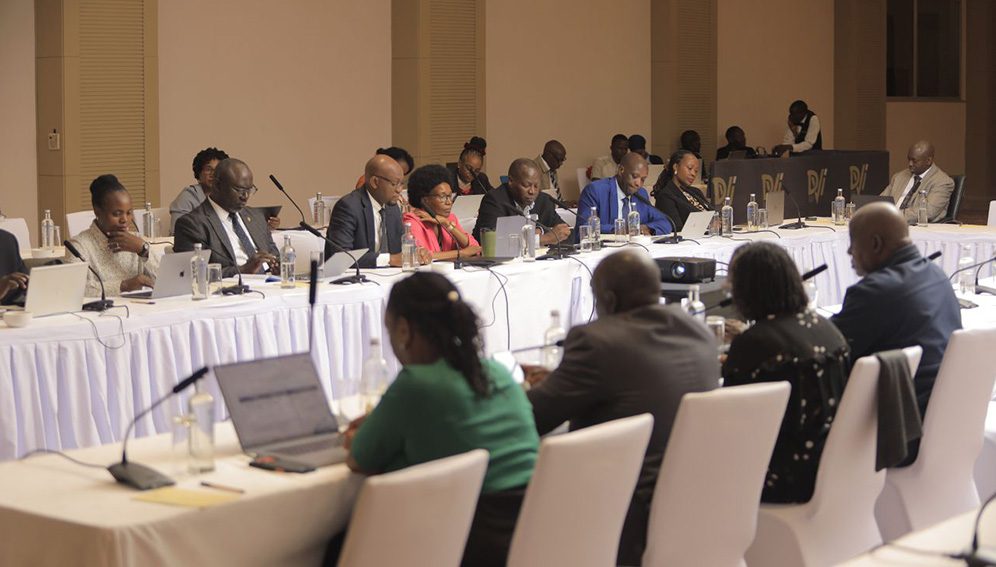
Uganda seeks stronger STI ties to drive its $500bn economy
Uganda’s ambition to grow its economy to US$500 billion will depend partly on stronger collaboration across its science, technology and innovation (STI) ecosystem, the country’s science and technology council has said. The Uganda National Council for Science and Technology (UNCST) is calling for closer coordination…
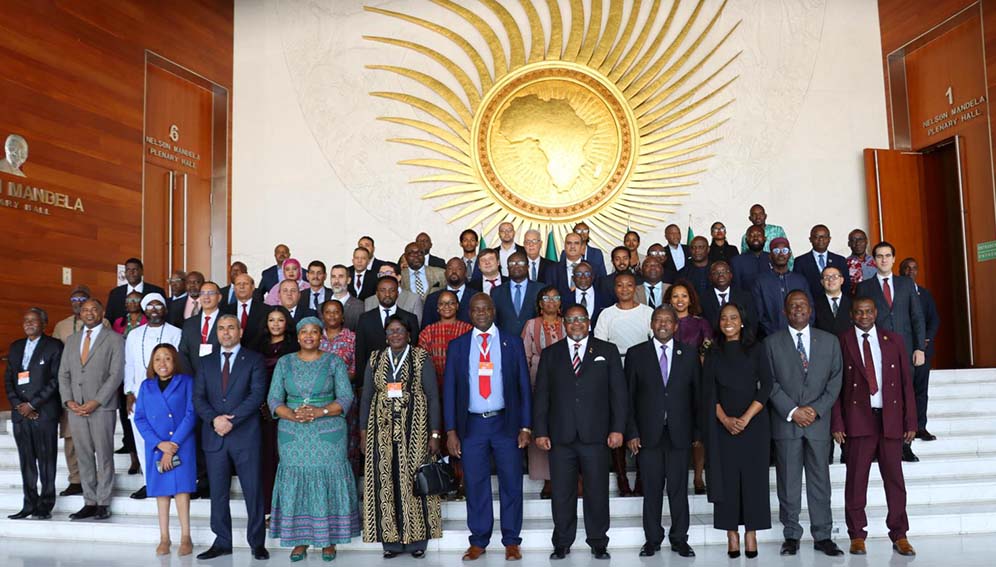
African Union backs science councils to drive STISA-2034 agenda
African Union ministers have recognised Science Granting Councils Initiative (SGCI) member institutions as primary vehicles for implementing Africa’s new science, technology and innovation strategy, strengthening the role of national research funding agencies in driving the continent’s development priorities. The recognition was made during the 6th…

Ghana strengthens safeguards for emerging malaria gene-drive research
As Ghana explores gene-drive technology as a potential tool for malaria control, stronger regulatory oversight and collaboration between research institutions and government will be essential to ensuring that scientific innovation does not compromise public health or environmental safety. Ghana is considering the scientific and regulatory…


SGCI funded projects
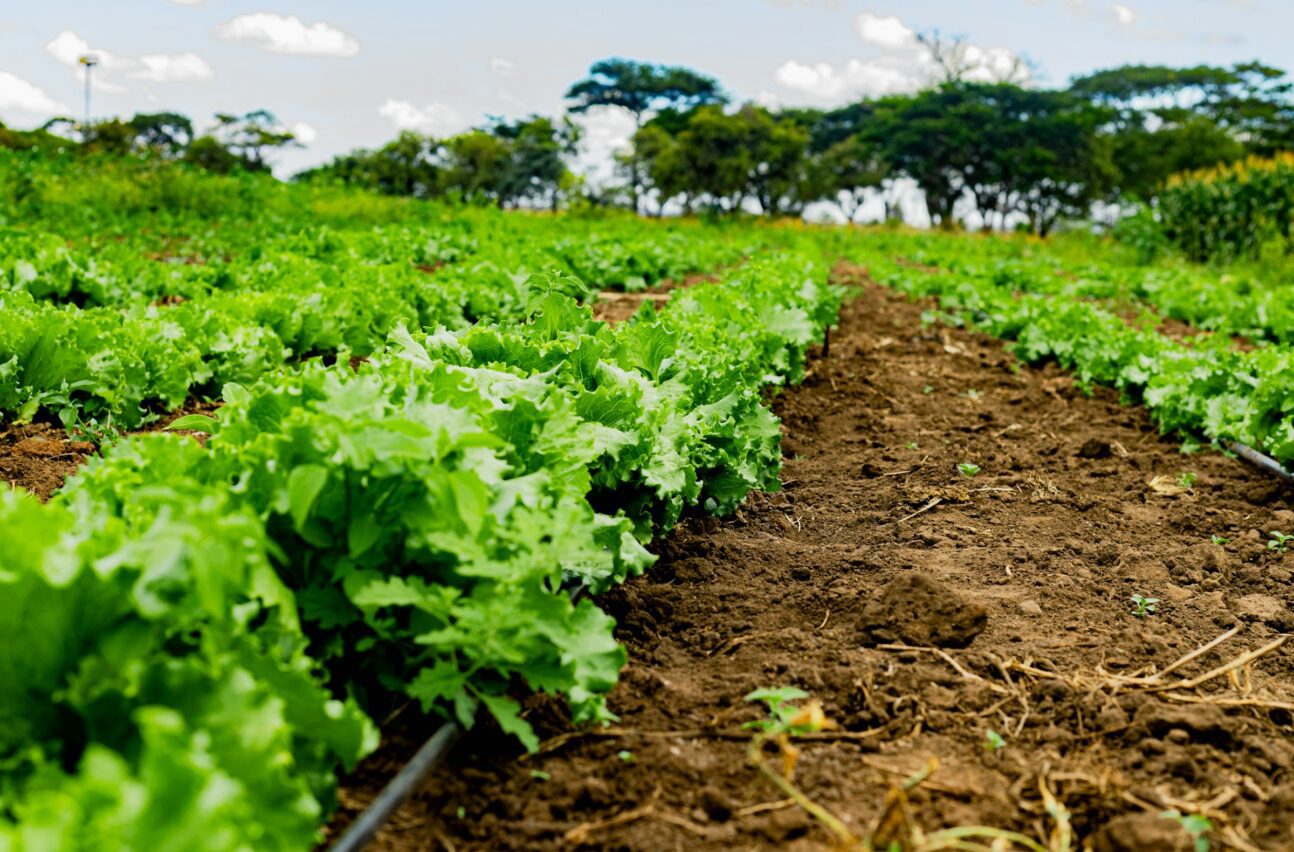
Rwanda’s integrated approach to sustainable agriculture and nutrition
Project Titles & Institution Areas of Research Number of Projects being funded Project Duration Grant Amount In-Kind Distribution Council Collaboration with other councils