
SGCI News
What does successful research funding look like? Across Africa, the answer can be found in healthier communities, cleaner water, improved food security, stronger research institutions, and new technologies that are…
What does successful research funding look like?
Across Africa, the answer can be found in healthier communities, cleaner water, improved food security, stronger research institutions, and new technologies that are solving problems once thought too complex for local innovation.
These are the kinds of outcomes envisioned by the Science, Technology and Innovation Strategy for Africa (STISA-2034), the African Union’s blueprint for harnessing science, technology and innovation to drive sustainable development and socio-economic transformation across the continent.
Through projects supported by the Science Granting Councils Initiative (SGCI), that vision is already taking shape. Across multiple countries, investment in African-led research is producing practical solutions that improve lives while strengthening Africa’s science and innovation ecosystem.
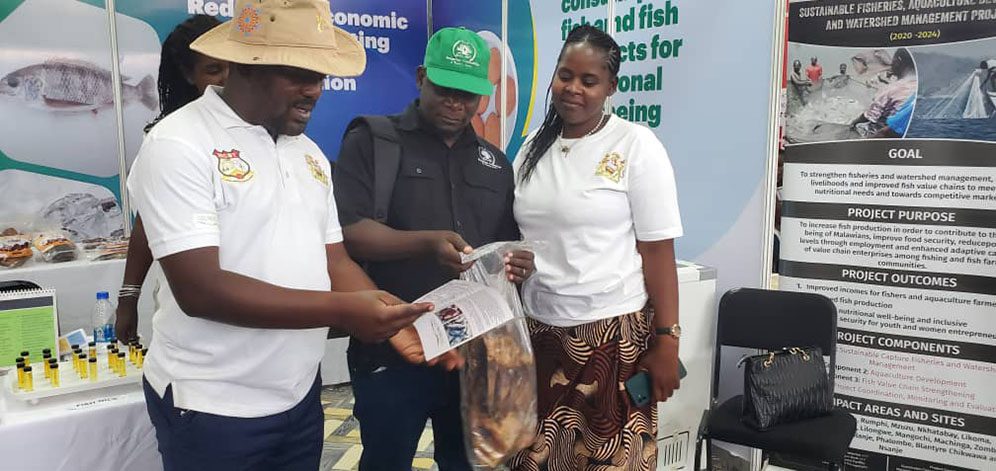
On the shores of Lake Malawi, for example, research is helping transform small-scale aquaculture into a sustainable business for local communities. Supported by an SGCI grant of K32.5 million, researchers worked with fish farmers over two years to improve community-led cage aquaculture. By the final harvest in February 2026, farmers harvested 2,760 kilograms of fish from the last production cycle alone, generating K38 million in sales.
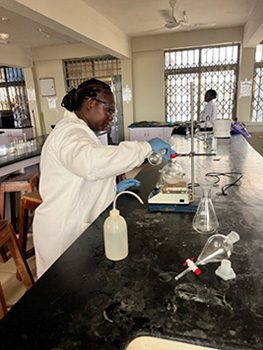
Improving lives through science is equally evident in Ghana, where researchers are tackling challenges that are less visible but urgent. Pharmaceutical residues are increasingly finding their way into rivers and other water bodies, posing risks to both ecosystems and public health. With SGCI support, researchers are developing an innovative biochar nanocomposite capable of trapping and breaking down these contaminants.
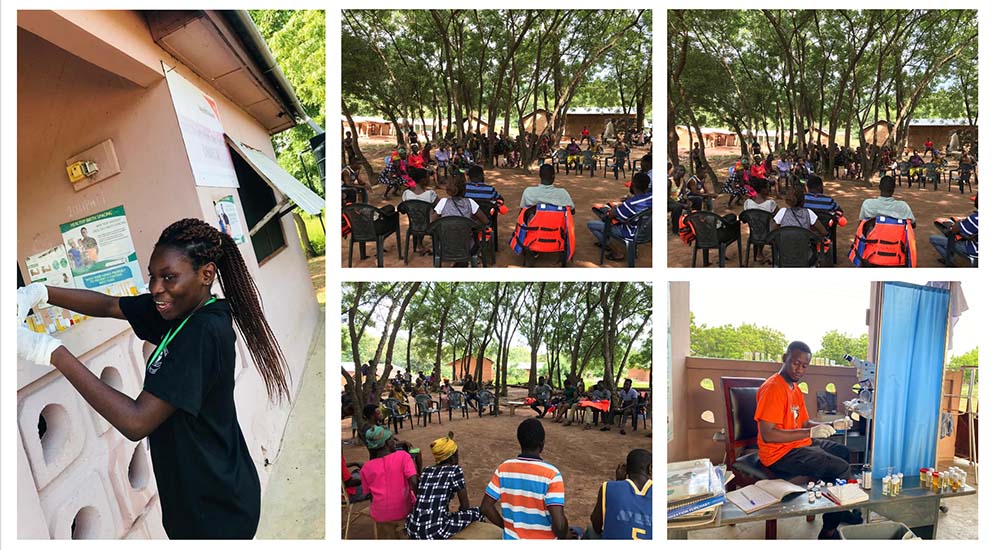
The same commitment to solving local problems through innovation has also led to the development of MedScaleApp, another SGCI-funded project in Ghana. Designed to support mass drug administration campaigns against schistosomiasis, the mobile and web-based platform enables frontline health workers to monitor treatment campaigns in real time, quickly identifying communities that have been reached and those that still require intervention.
Innovation is also transforming healthcare in Namibia, where researchers are using artificial intelligence to improve medical image analysis. Their SGCI-funded project is developing AI models capable of improving diagnostic accuracy, reducing clinicians’ workload and helping doctors detect conditions more quickly and consistently.
In Burkina Faso, 15 SGCI-funded projects are advancing scientific solutions across the country. Six of these projects are led by women researchers, reinforcing the importance of inclusive leadership in Africa’s research landscape.
Although these initiatives address different challenges, they all point to the same conclusion that when African researchers are supported to develop African solutions, the benefits extend far beyond laboratories.
Communities gain better livelihoods, health systems become more responsive, environmental challenges are addressed through innovation, and national research systems become stronger and more resilient.
These successes show what is possible when investment in African science is translated into action. They also demonstrate the impact that sustained investment in Africa-led research can achieve.
The newly launched SGCI-STISA 2034 Multilateral Research Call seeks to build on this momentum by supporting Africa-led, multi-country research consortia working across health, agriculture and food systems, artificial intelligence and digital technologies, energy, and environment and climate resilience.
The Call is supported through a partnership of African Science Granting Councils, the International Development Research Centre (IDRC), the Government of Norway, the UK’s Foreign, Commonwealth & Development Office (FCDO), and Wellcome.
Today’s success stories began as research ideas. The next breakthrough could begin with yours.
Researchers and eligible institutions are invited to explore the call, identify potential consortium partners and submit expressions of interest before the deadline of 25 September 2026 (23:59 EDT).
Learn more about the call, access the Research Matchmaking platform, and begin your application at https://call.sgci.africa/
Please check out the stories and let us know what you think. We would love to hear from you!
Let’s continue the conversation on our social media
Published on 9 July 2026By Jackie Opara-Fatoye
Related News
Windhoek Declaration: African science funders pledge to act as one
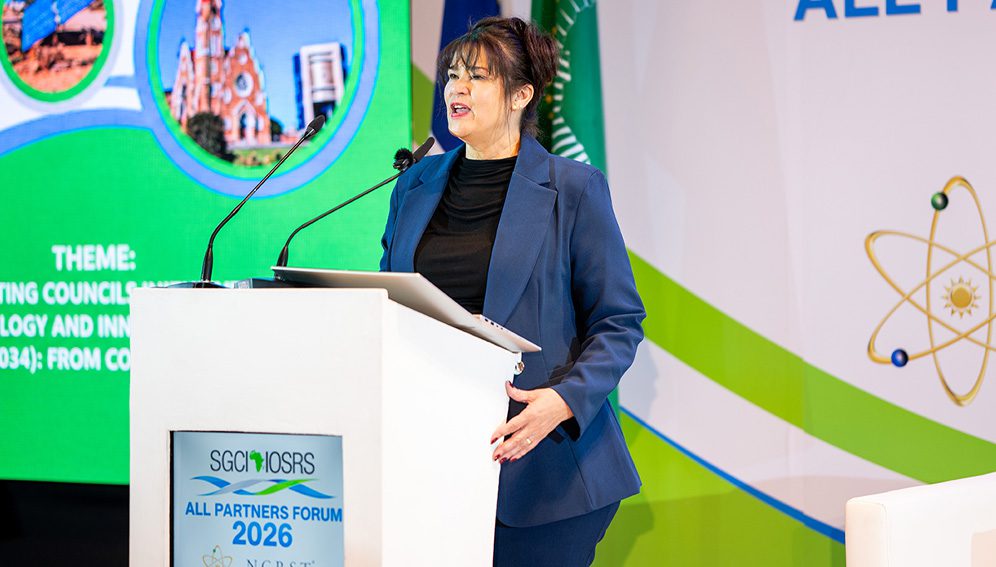
Science granting councils say Africa’s research systems need African ownership, steadier funding and less fragmentation. Here is what they agreed in Windhoek. African science granting councils adopted a collective declaration in Windhoek, Namibia, on 1 October 2026, as part of the Science Granting Councils Initiative…
Africa’s science councils urged to turn pledges into real impact
[NAMIBIA] African countries must strengthen collaboration, invest in research and scientists, and take greater ownership of science, technology and innovation if research is to deliver lasting development impact, participants at the 2026 Science Granting Councils Initiative (SGCI) All Partners Forum have said. The call came…
Councils urged to take ownership of SGCI-3 as forum turns to systems
[NAMIBIA]Science Granting Councils have been urged to take greater ownership of the third phase of the Science Granting Councils Initiative (SGCI-3), as partners turned their attention to the institutional systems and partnerships needed to translate the initiative’s ambitions into results. The call came during Day…
Research and Resources

SGCI funded projects
Rwanda’s integrated approach to sustainable agriculture and nutrition
Project Titles & Institution Areas of Research Number of Projects being funded Project Duration Grant Amount In-Kind Distribution Council Collaboration with other councils