SGCI News
When 15 research projects ended in Ouagadougou last October, they marked a turning point in how Burkina Faso structures, finances, and applies scientific research and a demonstration of what happens…
When 15 research projects ended in Ouagadougou last October, they marked a turning point in how Burkina Faso structures, finances, and applies scientific research and a demonstration of what happens when African-led funding mechanisms are given the resources to work.
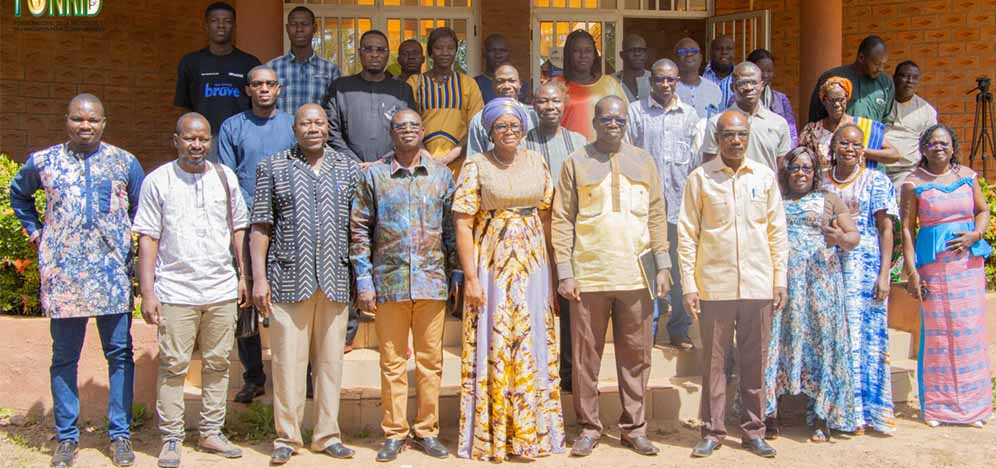
The closing workshop, was held at the Institute of Social Sciences, was organised by the National Fund for Research and Innovation for Development (FONRID) to mark the conclusion of projects financed under the Science Granting Councils Initiative (SGCI).
The event drew researchers, technical and financial partners, and representatives from public and private institutions.
Building a more sustainable funding structure
FONRID, which serves as the operational arm of the Burkinabè state for research financing, has been working to build a structured, sustainable funding base for scientific activity, and the SGCI partnership has been central to that effort.
In 2024 alone, FONRID transferred 1.130 billion CFA francs to project-carrying structures, 80 per cent of which came from the state subsidy. FONRID director general, Babou André Bationo, noted the government’s active commitment to national research.
The 15 SGCI-funded projects represent the second wave of this cooperation, following the closure of nine earlier projects financed through the International Development Research Centre (IDRC) in 2023. Together, they carried a combined budget of 400 million CFA francs, with six of the 15 projects coordinated by women researchers.
Research that reaches communities
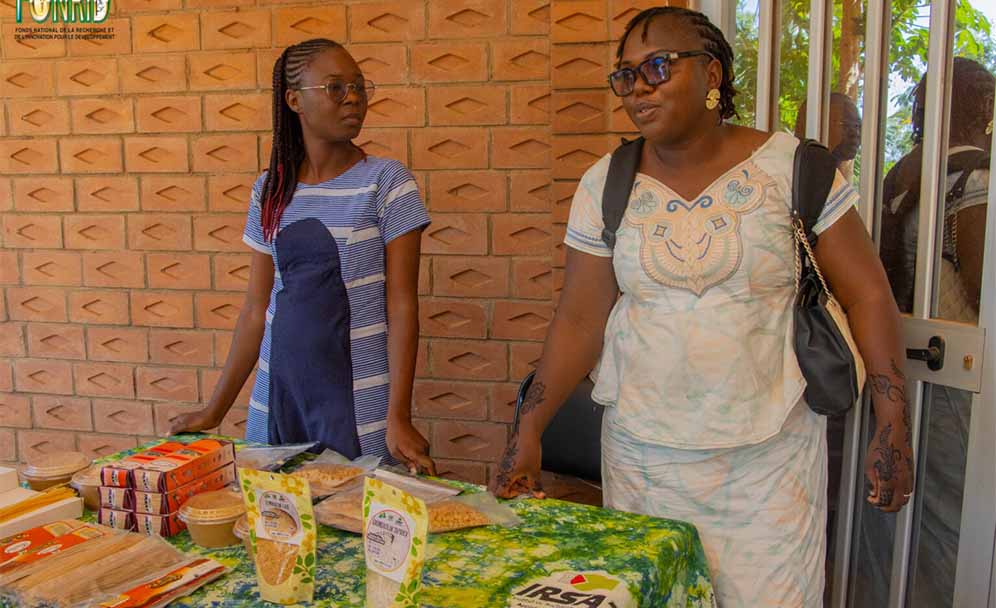
FONRID focused on themes with direct socio-economic relevance, such as the production and processing of agri-food products like mango, cashew, sweet potato, cassava, and moringa, which are crops that are embedded in the livelihoods of ordinary Burkinabè families.
Samuel Paré, secretary general of the Ministry of Higher Education, Research and Innovation (MESRI), who chaired the opening ceremony, framed the alignment as a deliberate policy choice. “The Government has instructed FONRID to direct public subsidies and partner support towards high-impact projects capable of improving the lives of communities and supporting endogenous development,” he said.
He welcomed the scope of the completed projects and stressed that their results contribute directly to the structural transformation of the national economy.
From laboratories to communities
A recurring theme at the workshop was the need to ensure research does not stay confined to institutions. Paré urged that findings be moved beyond reports and laboratories, valued, popularised, and transferred to economic and community actors who can apply them.
Bationo echoed this, reaffirming FONRID’s commitment to building strong African leadership in research and innovation, and to developing endogenous financing mechanisms capable of meeting the continent’s challenges from within.
The partnership between SGCI, IDRC, the African Centre for Technology Studies (ACTS), and FONRID was held up as a model of successful South-South cooperation that ensures African researchers can set the agenda for scientific inquiry according to national priorities, rather than external ones.
A new phase begins
Though the workshop marks the conclusion of an important phase of scientific cooperation, it is also the beginning of a new era, with a focus on translating research results into lasting, sovereign development for Burkina Faso.
For SGCI, it is evidence of what its model is designed to produce: research-granting councils that are stronger, better resourced, and more capable of directing science toward the people who need it most.
Please check out the stories and let us know what you think. We would love to hear from you!
Let’s continue the conversation on our social media
Published on 8 May 2026
By Jackie Opara-Fatoye
Related News
Voices from the SGCI Forum: Building an African-led science system
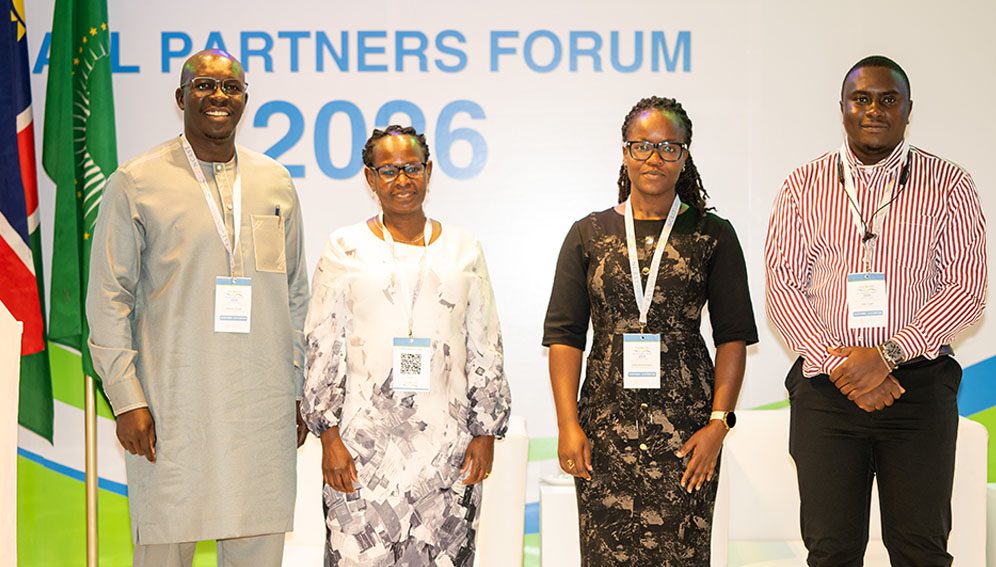
From calls for African-led research funding to stronger engagement with communities and governments, participants at the 2026 Science Granting Councils Initiative (SGCI) All Partners Forum left Windhoek with a shared sense that Africa’s science and innovation systems are entering a new phase. Held from 28…
NRF champions science, climate action and youth empowerment
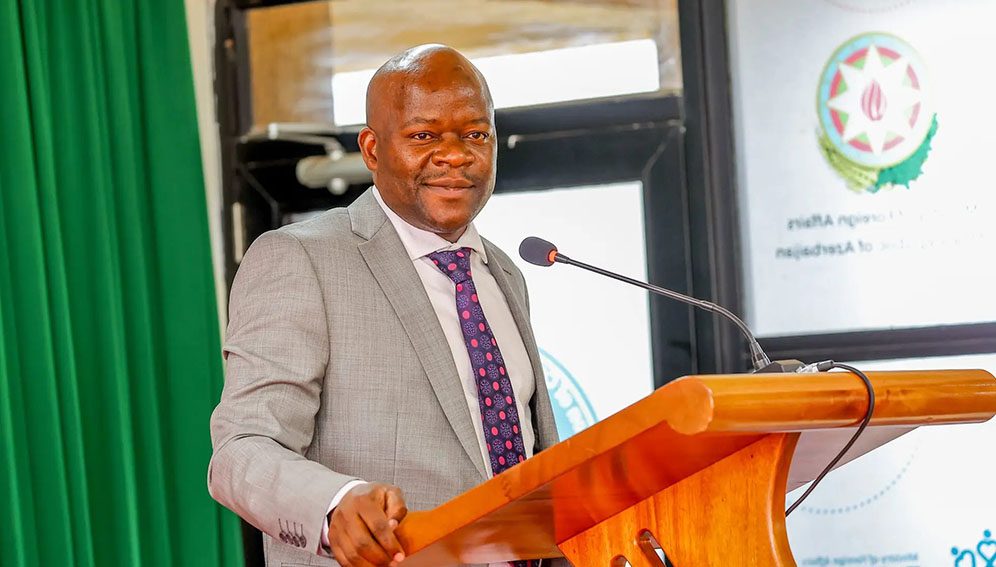
Kenya’s National Research Fund (NRF) is strengthening efforts to connect scientific research, innovation and youth participation with practical responses to climate and environmental challenges. NRF chief executive officer Dickson Andala represented the fund at the launch of the Climate Policy and Advocacy Training – Cohort…
Windhoek Declaration: African science funders pledge to act as one
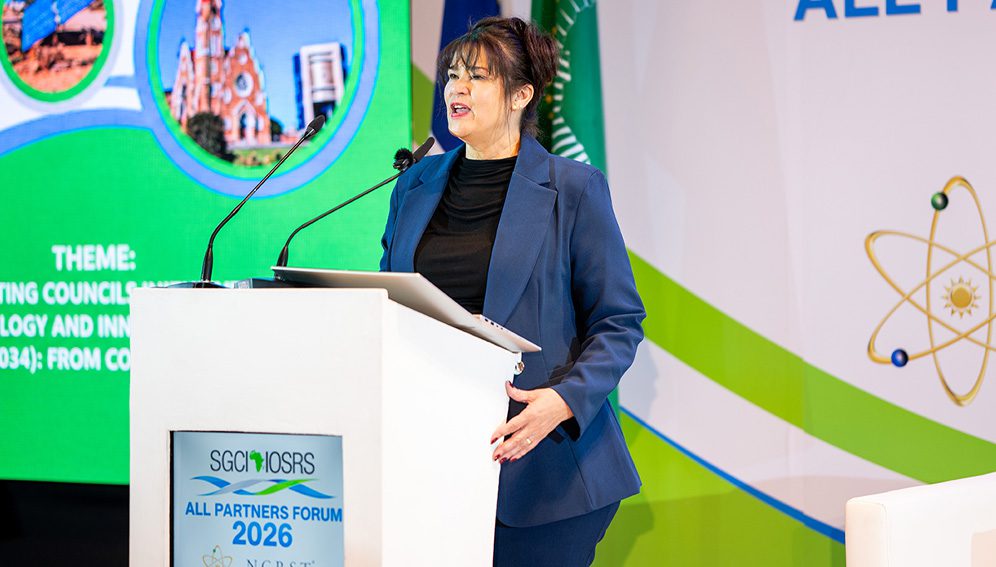
Science granting councils say Africa’s research systems need African ownership, steadier funding and less fragmentation. Here is what they agreed in Windhoek. African science granting councils adopted a collective declaration in Windhoek, Namibia, on 1 October 2026, as part of the Science Granting Councils Initiative…


SGCI funded projects
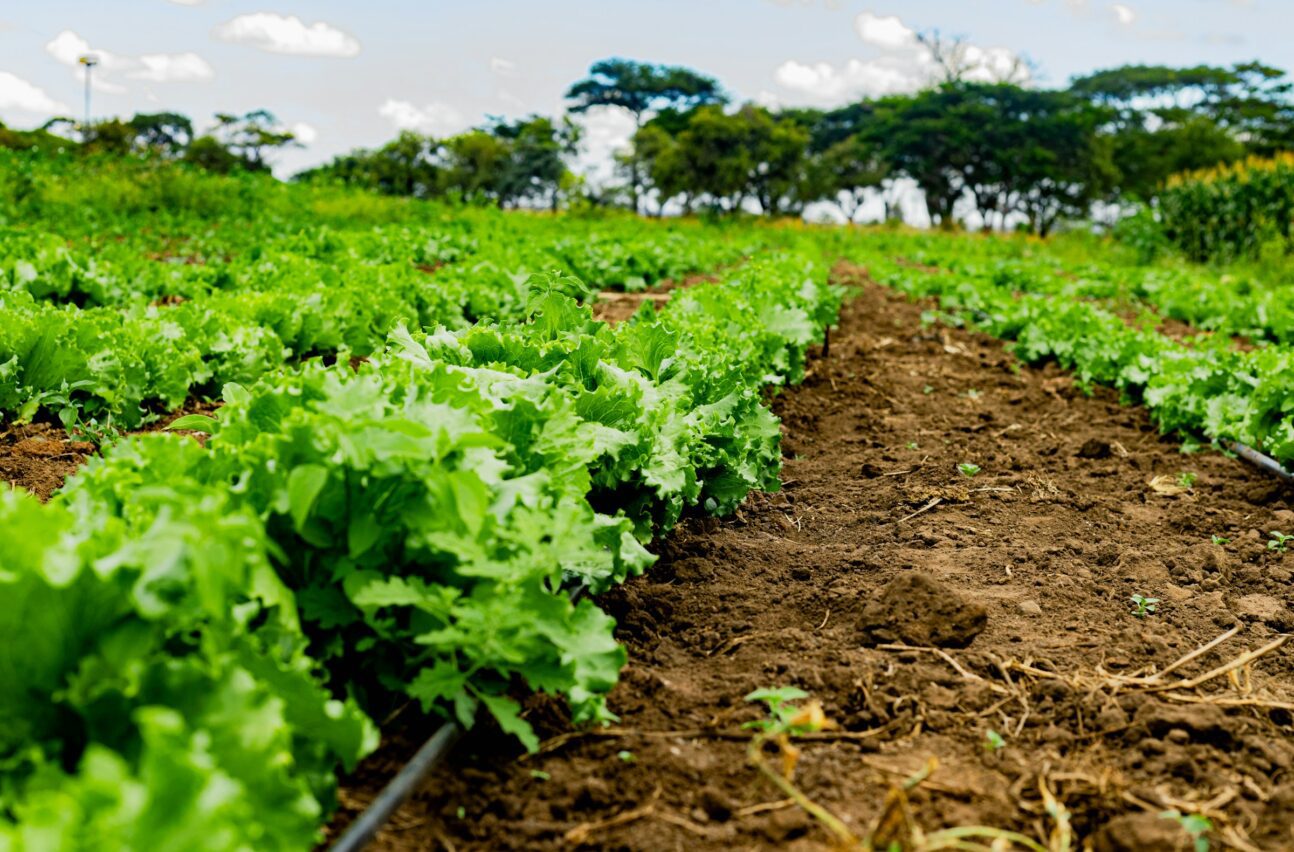
Rwanda’s integrated approach to sustainable agriculture and nutrition
Project Titles & Institution Areas of Research Number of Projects being funded Project Duration Grant Amount In-Kind Distribution Council Collaboration with other councils