
SGCI News
The Human Science Research Council helps emerging social science researchers hone their skills. 1 Emerging researchers in social sciences face funding and publishing challenges 2 Mentors from the Human Science…
The Human Science Research Council helps emerging social science researchers hone their skills.
| 1 | Emerging researchers in social sciences face funding and publishing challenges |
| 2 | Mentors from the Human Science Research Council are helping overcome these |
| 3 | The HSRC research conference showcases ‘real-world’ research findings |
[ACCRA] The Human Science Research Council (HSRC) says it is reshaping the landscape for emerging researchers in Africa through its commitment to mentorship.
The HSRC provides support and guidance to the next generation of social scientists and humanities scholars, amid challenges such as funding scarcity, infrastructure limitations and difficulties transitioning into research careers.
Alude Mahali, chief research specialist in the HSRC’s Equitable Education and Economies division, told SciDev.Net: “The capacity development of emerging researchers is a national mandate of our organisation.
“We actively support these individuals through workshops, mentorship, skills transfer, knowledge sharing and, in some cases, thesis supervision.”
Mahali says mentors at the HSRC actively support emerging researchers to navigate challenges ranging from struggles with funding and publishing, to communications and networking building.
“A senior researcher is usually assigned an emerging researcher to mentor closely annually,” explained Mahali.
“We support them through various capacity development workshops, close mentorship, skills transfer, knowledge sharing … and in some cases, thesis supervision.”
Mahali says mentors teach emerging researchers how to write research and grant, proposals, improve[RD1] their presentation skills and apply for funding for national and international conferences.
For senior researchers, becoming mentors helps them stay up to date with new literature, as well as offering personal fulfilment from developing new talent, Mahali added.
Showcasing research
The HSRC also holds a biennial conference where it provides a platform for emerging research to showcase their work and engage with experts.
Its most recent research conference took place in September, in Cape Town, South Africa with the theme Next Generation Insights on Intractable National and Global Challenges.
The conference provided an opportunity for emerging researchers to develop their capabilities as social science researchers and science communicators through sharing any research they have done which responds to real-world concerns.
Jacqueline Harvey, a PhD research trainee in the Equitable Education and Economies research division, said the event was an opportunity for her to share her research with an engaged audience from diverse disciplines, providing insights from differing perspectives.
The conferences aim to nurture the next generation of social scientists and humanities scholars in South Africa, offering them the opportunity to present their research findings to a diverse audience of peers, experts, and potential collaborators.
They promote partnerships with public-sector entities, non-governmental organisations, and international development agencies, with the aim of contributing to the continent’s development.
Sharlene Swartz, HRSC divisional executive for Equitable Education and Economies, said the September conference provided the opportunity for young researchers to deepen the application of their work to address real-world challenges.
She says the HSRC also offers internships to those pursuing master’s and doctoral studies, providing opportunities to develop research skills beyond the university while earning an income.
“We believe this will enable them to hit the ground running once their graduate degrees are completed and take their place in academic and research institutions, the public sector and business enterprises,” added Swartz.
Swartz acknowledged the challenges facing new researchers such as the pathway into employment, lack of real-world experience, and fear of public presentations.
She says the HSRC is dedicated to equipping emerging researchers with the skills needed for success in academic, research, public sector, and business settings.
This article was supported by the Science Granting Councils Initiative, which aims to strengthen the institutional capacities of 18 public science funding agencies in Sub-Saharan Africa.
Countries
Categories
Related News
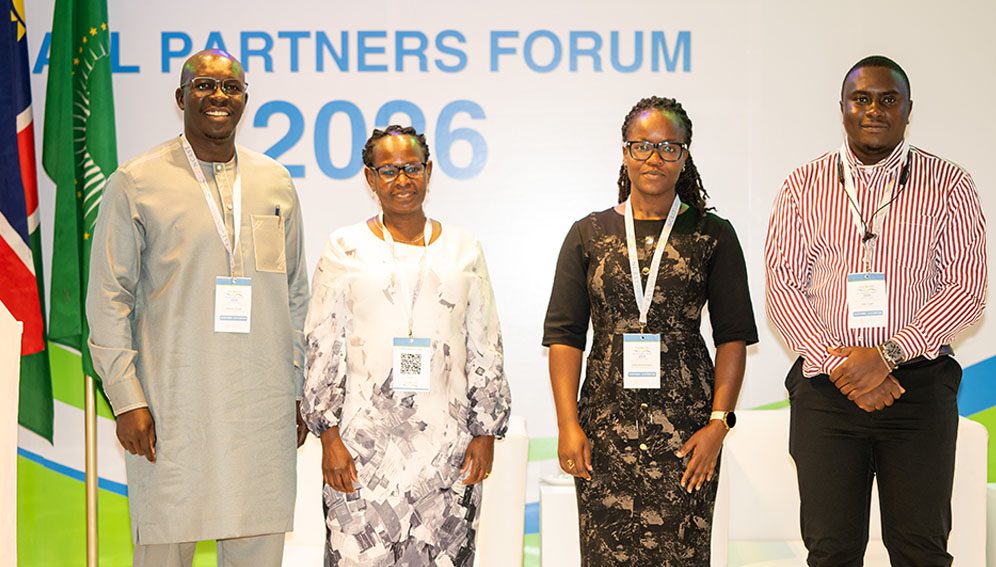
Voices from the SGCI Forum: Building an African-led science system
From calls for African-led research funding to stronger engagement with communities and governments, participants at the 2026 Science Granting Councils Initiative (SGCI) All Partners Forum left Windhoek with a shared sense that Africa’s science and innovation systems are entering a new phase. Held from 28…

NRF champions science, climate action and youth empowerment
Kenya’s National Research Fund (NRF) is strengthening efforts to connect scientific research, innovation and youth participation with practical responses to climate and environmental challenges. NRF chief executive officer Dickson Andala represented the fund at the launch of the Climate Policy and Advocacy Training – Cohort…
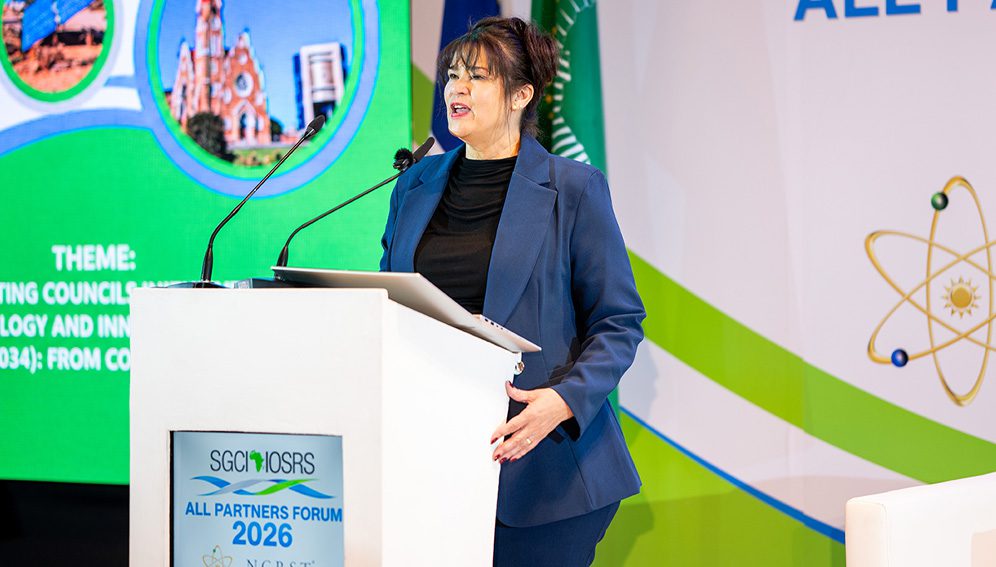
Windhoek Declaration: African science funders pledge to act as one
Science granting councils say Africa’s research systems need African ownership, steadier funding and less fragmentation. Here is what they agreed in Windhoek. African science granting councils adopted a collective declaration in Windhoek, Namibia, on 1 October 2026, as part of the Science Granting Councils Initiative…


SGCI funded projects

Rwanda’s integrated approach to sustainable agriculture and nutrition
Project Titles & Institution Areas of Research Number of Projects being funded Project Duration Grant Amount In-Kind Distribution Council Collaboration with other councils