
SGCI News
As part of our year-end innovation highlights series, we continue to spotlight remarkable innovations supported by the Science Granting Councils Initiative (SGCI) that are driving sustainability, productivity, and improved livelihoods…
As part of our year-end innovation highlights series, we continue to spotlight remarkable innovations supported by the Science Granting Councils Initiative (SGCI) that are driving sustainability, productivity, and improved livelihoods across Africa.
The series will spotlight inspiring and impactful research stories published on our website throughout the year.
From Uganda to Malawi and Kenya, African scientists are turning everyday challenges into practical, sustainable solutions that improve lives, strengthen economies, and safeguard the environment.
Banana waste becomes a sustainable gem
Ugandan researchers are transforming discarded banana stems into textiles, hair extensions, and sanitary pads, positioning the East African nation to benefit from the growing global demand for sustainable fibres.
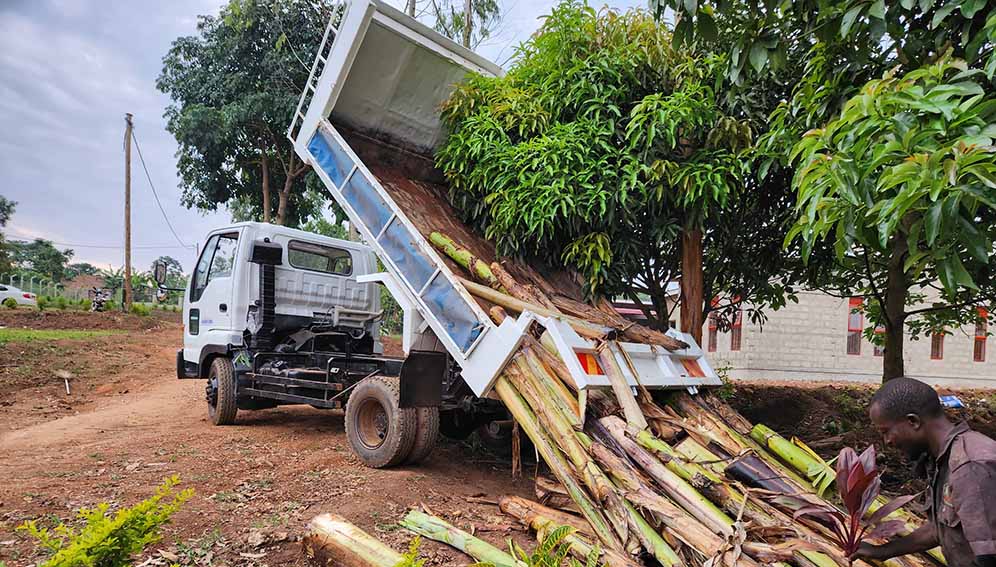
The Banatex-EA (Banana Textiles in East Africa) project at Busitema University has developed spinnable banana fibre suitable for textile production, offering an eco-friendly alternative to cotton and synthetics.
Project lead, Edwin Kamalha, a textile engineering lecturer, says the innovation reduces waste from banana farming while creating new income opportunities.
“If people can tap into that waste to earn an extra income, what was once discarded can become a valuable resource,” Kamalha explains.
Eco-Friendly kilns transform fish processing in Malawi
In Malawi, where traditional open-fire fish smoking exposes workers to harmful smoke and wastes vast amounts of firewood, researchers are pioneering cleaner, more efficient technology.
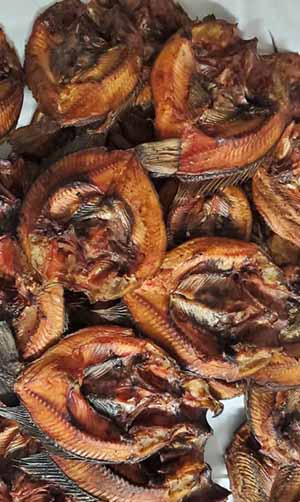
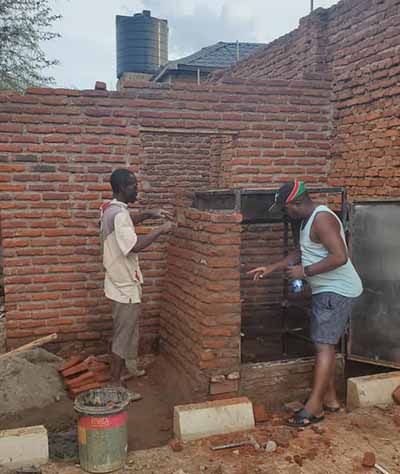
With SGCI support through the National Commission for Science and Technology, a team led by James Banda designed modern fish-smoking kilns that are enclosed, energy-efficient, and hygienic.
The kilns drastically reduce smoking time, process up to 100 kg of fish in two hours, and even collect valuable fish oil by-products.
“These advancements make the modern fish-smoking kiln a valuable upgrade for improving productivity, quality, and sustainability in fish processing,” Banda says.
Cassava innovation strengthens food security in Kenya
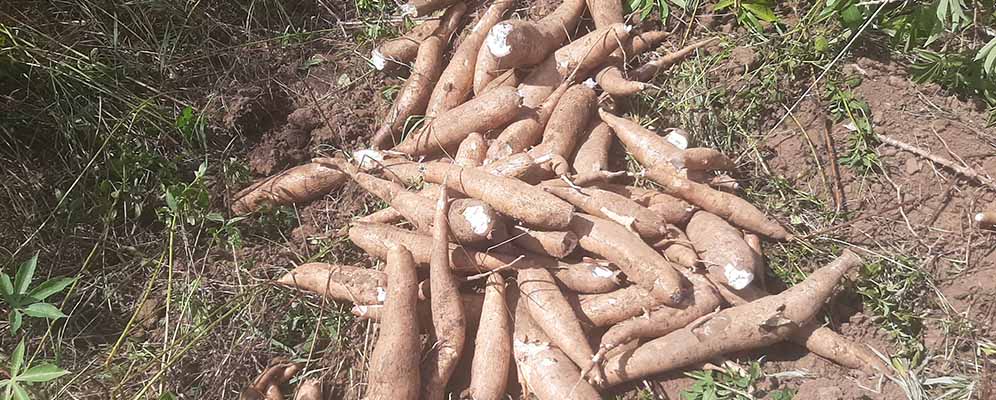
In Kenya, researchers are reimagining cassava as a key to food and nutrition security amid rising maize prices and climate challenges.
Led by Vitalis Ogemah of Masinde Muliro University of Science and Technology (MMUST), the project promotes disease-resistant cassava varieties and nutrient-rich cassava-based foods for both humans and livestock.
By identifying drought-tolerant varieties and blending cassava flours to meet the dietary needs of diverse consumer groups, the initiative is helping farmers boost income while diversifying food sources.
“Nutritionists identified the nutritional requirements of different categories of consumers and blended cassava varieties to meet those needs,” says Ogemah.
Next in the series
Stay tuned for more stories highlighting the power of science, innovation, and collaboration in transforming African communities.
Please check out the stories and let us know what you think. We would love to hear from you!
Let’s continue the conversation on our social media
Published on 11 November 2025
Related News
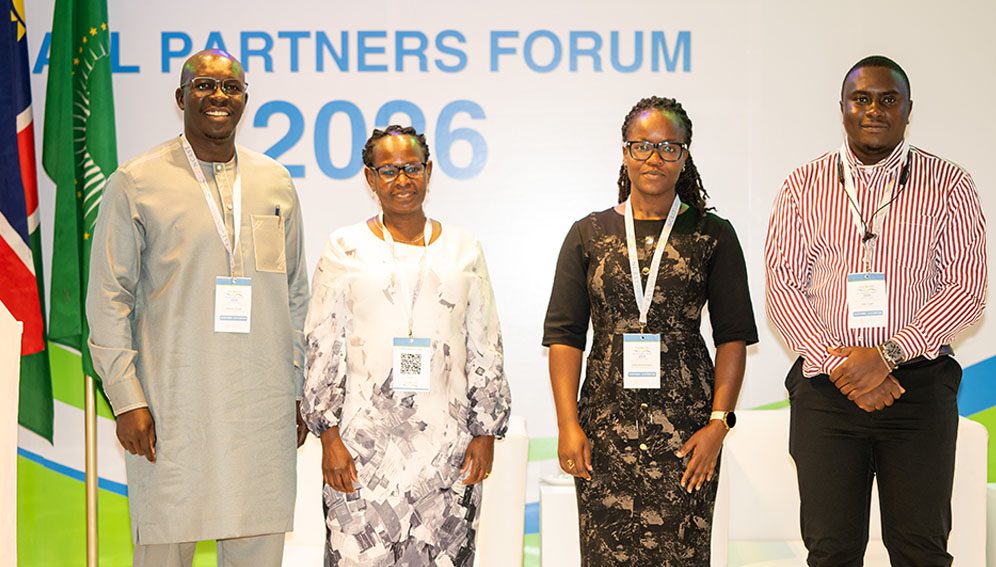
Voices from the SGCI Forum: Building an African-led science system
From calls for African-led research funding to stronger engagement with communities and governments, participants at the 2026 Science Granting Councils Initiative (SGCI) All Partners Forum left Windhoek with a shared sense that Africa’s science and innovation systems are entering a new phase. Held from 28…
NRF champions science, climate action and youth empowerment
Kenya’s National Research Fund (NRF) is strengthening efforts to connect scientific research, innovation and youth participation with practical responses to climate and environmental challenges. NRF chief executive officer Dickson Andala represented the fund at the launch of the Climate Policy and Advocacy Training – Cohort…
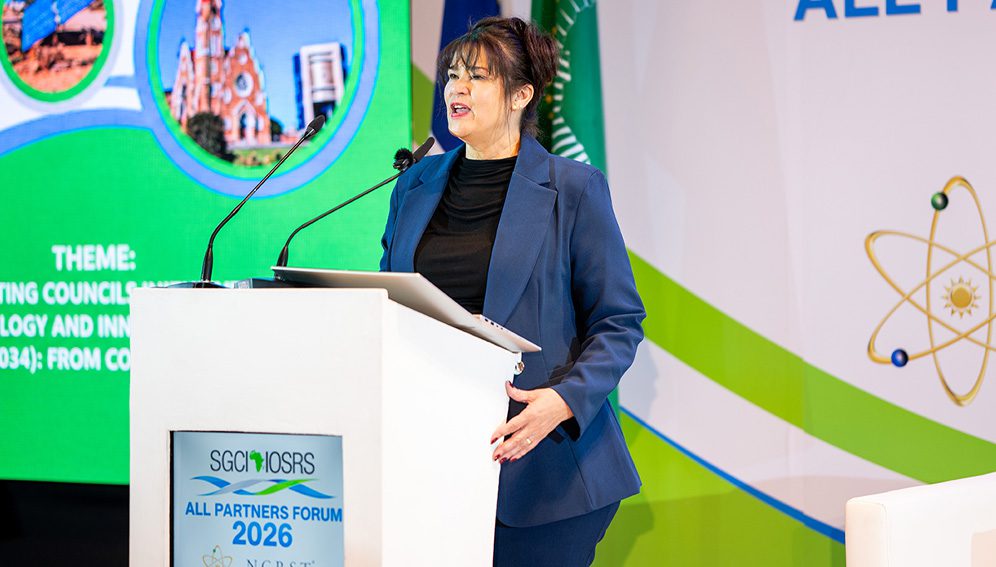
Windhoek Declaration: African science funders pledge to act as one
Science granting councils say Africa’s research systems need African ownership, steadier funding and less fragmentation. Here is what they agreed in Windhoek. African science granting councils adopted a collective declaration in Windhoek, Namibia, on 1 October 2026, as part of the Science Granting Councils Initiative…


SGCI funded projects
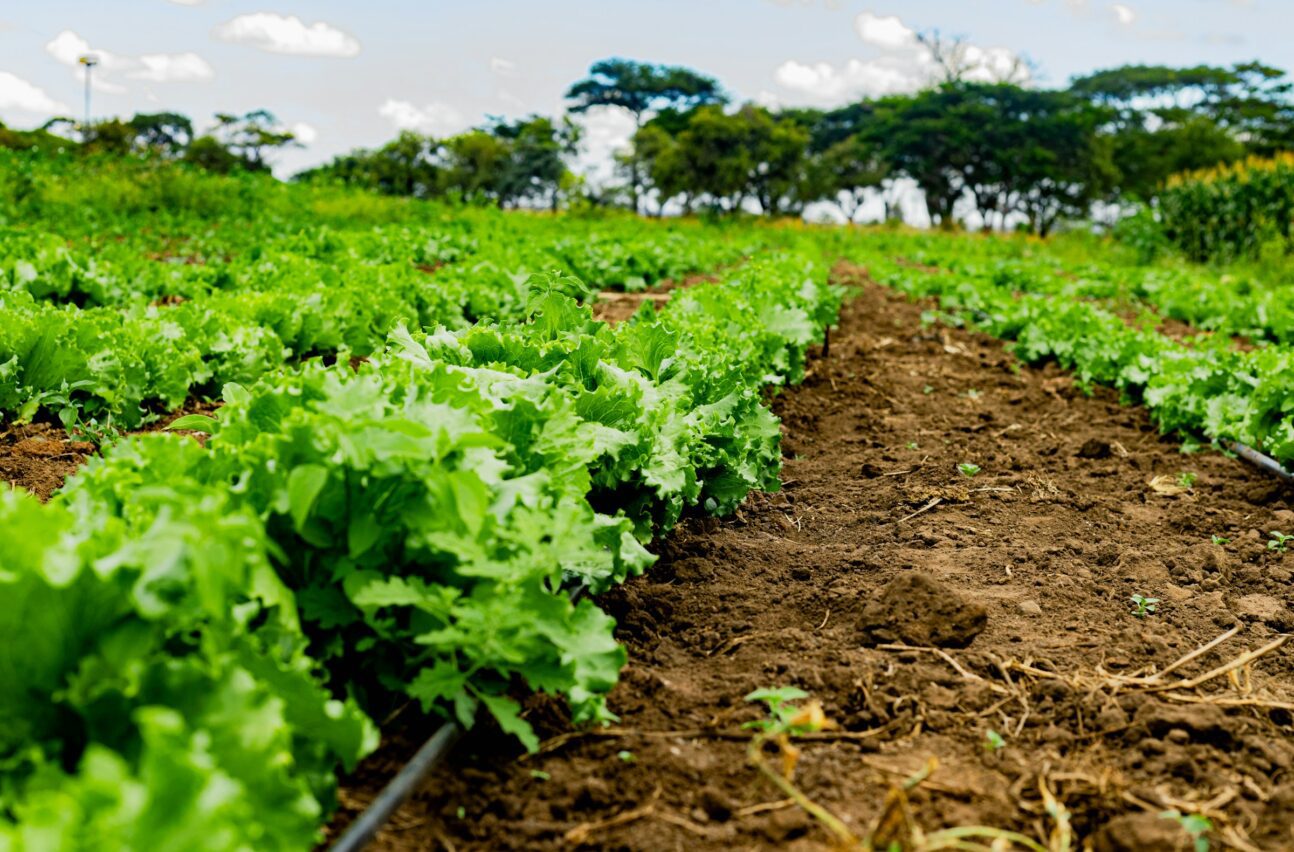
Rwanda’s integrated approach to sustainable agriculture and nutrition
Project Titles & Institution Areas of Research Number of Projects being funded Project Duration Grant Amount In-Kind Distribution Council Collaboration with other councils