
SGCI News
As the year draws to a close, we celebrate groundbreaking innovations that demonstrated the power of locally driven research transforming lives and strengthening communities across Africa. This article kicks off…
As the year draws to a close, we celebrate groundbreaking innovations that demonstrated the power of locally driven research transforming lives and strengthening communities across Africa.
This article kicks off our year-end innovation highlights series, showcasing locally led research with real-world impact.

The series will spotlight inspiring and impactful research stories published on our website throughout the year.
Each story showcases how African scientists, with support from Science Granting Councils Initiative (SGCI), are turning ideas into practical solutions that improve livelihoods, promote sustainability, and drive inclusive development.
Clean water innovation from Nigeria
In Nigeria, researchers at Abia State University have developed a solar-powered biosensor filtration device that detects and removes disease-causing microorganisms from water. With nearly 70 per cent of the country’s water sources contaminated, this device offers a lifeline to rural and urban communities alike.
Harnessing solar energy, biosensor technology, and ultraviolet filtration, it purifies water even in off-grid areas — helping to prevent thousands of deaths from waterborne illnesses.
Smart coffee fertiliser from Uganda
In Uganda, researchers at Uganda Martyrs University have found a way to convert leather production waste into a nutrient-rich collagen-based fertiliser for coffee farming.
The innovation tackles both industrial waste and soil degradation, promoting environmental sustainability while improving crop productivity.
Boosting nutrition and food security in Namibia
In Namibia, scientists at the Namibia University of Science and Technology are addressing malnutrition and low crop yields through biotechnology.
Their Food Security and Nutrition Improvement through Protein-Rich Legume and Low-Cost Biotechnology (FOODSECBIO) project trains smallholder farmers in producing protein-enriched legumes using biofertiliser.
Supported by SGCI and the National Commission on Research, Science, and Technology, the initiative is helping families grow healthier, more abundant crops and achieve better nutrition.

Turning waste into wealth in Malawi
In Malawi, scientists at Mzuzu University developed what locals call a “magic fertiliser”, an organic blend made from black soldier fly waste (frass), rice husk biochar, and coffee grounds.
Supported by Malawi’s National Commission for Science and Technology and SGCI, the research turns agricultural and insect waste into a powerful soil-enriching product.
Rich in protein, calcium, potassium, and other nutrients, the fertiliser is being tested to boost crop yields while offering farmers an eco-friendly alternative to costly synthetic options.
Reviving Rwanda’s banana wine tradition
In Rwanda, the banana wine industry is raising a toast to innovation. For years, local producers like Augusti Ntivuguruzwa faced inconsistent fermentation and regulatory hurdles because no yeast was specifically suited for banana wine.
Thanks to Rwandan scientists who developed a local yeast strain tailored for the traditional drink Urwagwa, winemakers now have a reliable, homegrown ingredient that ensures both quality and compliance.
This breakthrough not only safeguards Rwanda’s cultural heritage but also strengthens a growing industry that supports rural livelihoods.
Continuing the celebration
Together, these SGCI-supported innovations reflect Africa’s growing capacity to translate science into sustainable solutions.
Stay tuned as we continue this innovation highlights series each week until the end of the year, celebrating the researchers and councils transforming Africa through science.
Please check out the stories and let us know what you think. We would love to hear from you!
Let’s continue the conversation on our social media
Related News

Ghana strengthens safeguards for emerging malaria gene-drive research
As Ghana explores gene-drive technology as a potential tool for malaria control, stronger regulatory oversight and collaboration between research institutions and government will be essential to ensuring that scientific innovation does not compromise public health or environmental safety. Ghana is considering the scientific and regulatory…
Ivorian researchers develop solutions to illegal gold mining damage
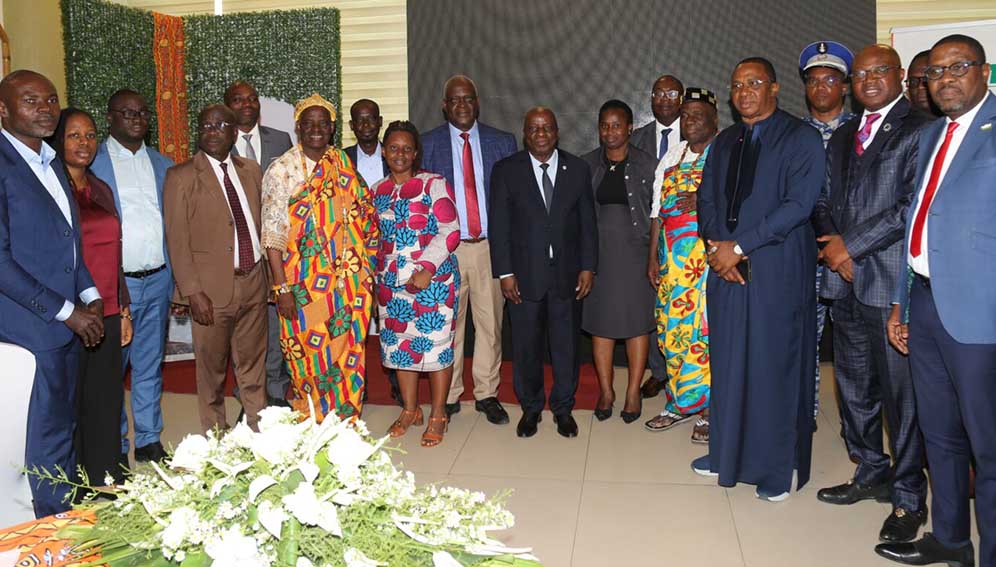
Locally developed technologies for detecting heavy metals in water and restoring contaminated farmland could help Côte d’Ivoire address the environmental and public health consequences of illegal gold mining. Illegal gold mining has affected 29 of Côte d’Ivoire’s 31 regions, threatening water resources, agricultural land and…
How research management is changing Africa’s science funders
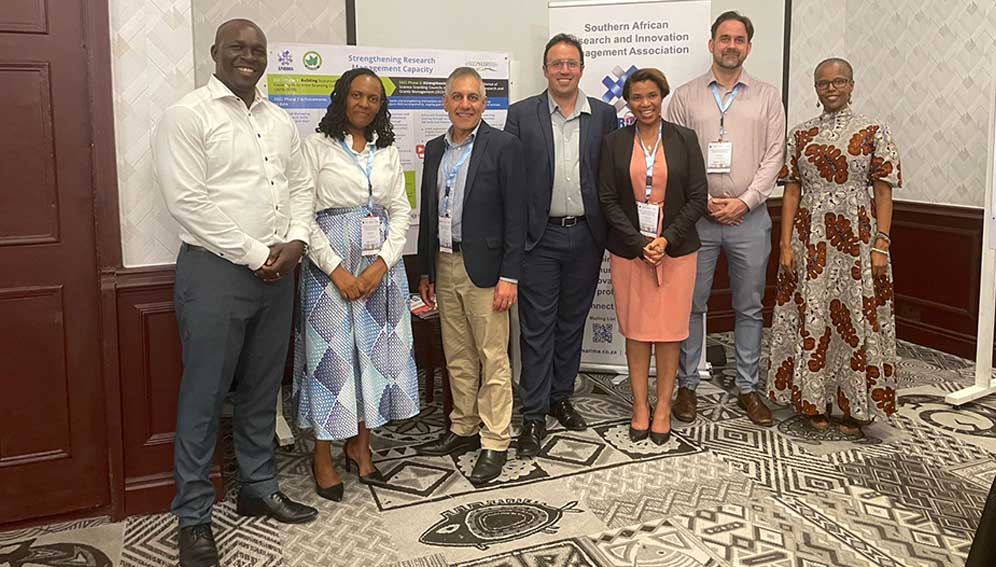
A new grant appeals procedure in Zimbabwe, improved digital grant management in Namibia, and stronger gender inclusion leadership in Zambia are among the institutional changes emerging from efforts to strengthen research management across Sub-Saharan Africa. Theme one of the Science Granting Councils Initiative Phase II…


SGCI funded projects
Rwanda’s integrated approach to sustainable agriculture and nutrition
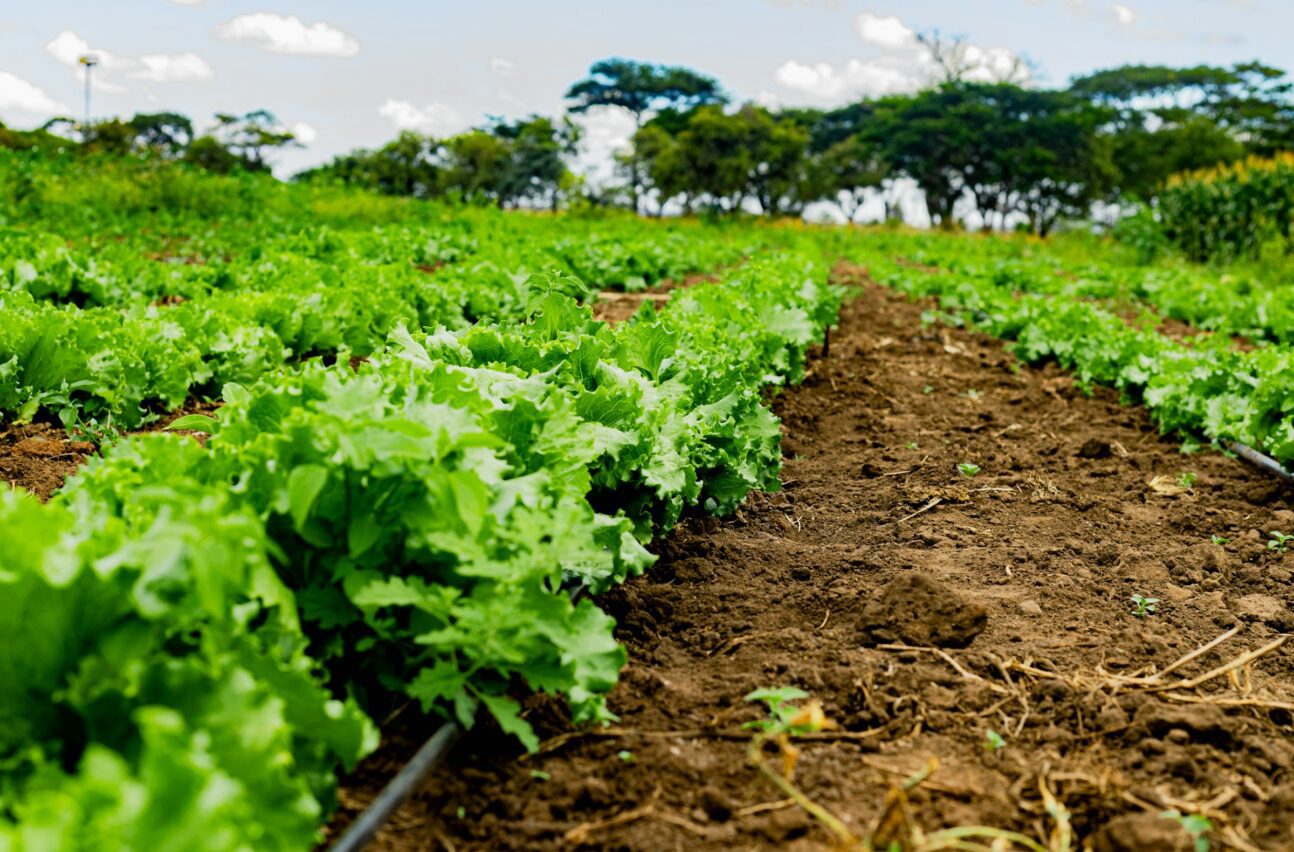
Project Titles & Institution Areas of Research Number of Projects being funded Project Duration Grant Amount In-Kind Distribution Council Collaboration with other councils