
SGCI News
As the Science Granting Councils Initiative (SGCI) prepares to roll out a new phase of activities, we revisit some of our most-read stories highlighting how stronger research systems, innovation, and…
As the Science Granting Councils Initiative (SGCI) prepares to roll out a new phase of activities, we revisit some of our most-read stories highlighting how stronger research systems, innovation, and climate-resilient science are delivering impact across Africa.
From strengthening national research systems and financing mechanisms to supporting farmer-led innovation and climate-resilient agriculture, these top-performing stories illustrate how science funding and governance are delivering tangible impact across Africa.
Here are the stories below:
Councils seek solutions to research financing crisis
African countries are working to strengthen research quality, ethical practice and grant management through institutional reform. This was the focus of the Research Excellence and Good Financial Grant Practices Workshop held from 26–28 November in Dakar, Senegal.
Organised by SGCI in partnership with the Association of African Universities and Senegal’s Ministry of Higher Education, Research and Innovation, the workshop brought together representatives from 12 countries to examine research ethics, financial grant management and impact planning. Participants also assessed what constitutes an “impact-healthy research institution” and explored practical steps for addressing weak impact cultures within their organisations.
Opening the workshop, Hamidou Duff, Director General of Research at Senegal’s Ministry of Higher Education, Research and Innovation, identified persistent research financing challenges as a major obstacle to Africa’s development priorities, describing initiatives such as SGCI as vital platforms for strengthening national systems and promoting ethical research practice.
Read full story here
Powering Africa’s science through stronger councils
How can national science granting councils better drive impact with limited resources? This question was central to the “Financing science for impact” thematic session held during the Science Forum South Africa side events in Pretoria.
The session brought together leaders from science funding institutions across Africa and beyond to examine institutional readiness, programme design and effective stewardship of national research priorities. Panellists agreed that while funding for science remains insufficient, strong and well-governed systems are critical for enabling governments to deploy resources strategically and leverage international partnerships.
Moderated by IDRC’s Matthew Wallace, the discussion also highlighted the growing importance of South–South collaboration among science granting councils and how SGCI’s decade of experience is informing broader regional science ecosystems.
Read full story here
Cocoa fermenting box reaps rewards for Uganda’s farmers
In Kasawo, north of Kampala, a locally developed cocoa fermenting box is transforming livelihoods for smallholder farmers. The innovation replaces labour-intensive stacked fermentation systems, enabling farmers to properly ferment cocoa beans and sell directly to exporters.
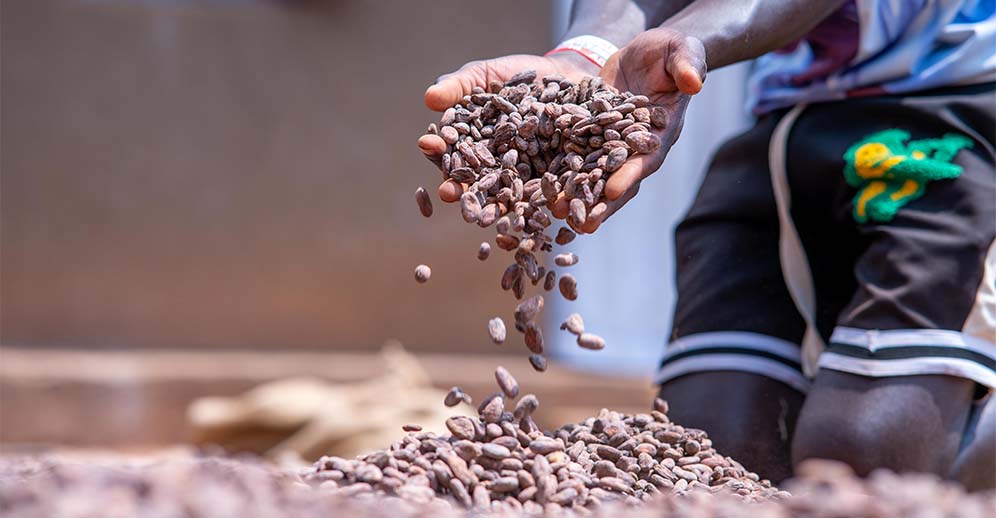
For members of the Namuganga Agalyawamu Cocoa Growers Association, the technology has increased earnings by around 40 per cent, improved bean quality and eliminated reliance on middlemen. Previously, farmers sold unfermented beans at low prices, losing both flavour and market value.
Supported by Uganda’s National Council for Science and Technology through SGCI, the project demonstrates how targeted innovation can unlock value in priority agricultural value chains.
Read the full story here
Uganda fights wheat gap with heat-resistant crop
As rising temperatures threaten wheat yields across sub-Saharan Africa, Ugandan researchers are developing climate-resilient solutions to reduce dependence on imports. The National Agricultural Research Organisation (NARO) is promoting new wheat varieties that are resistant to heat, drought and wheat rust diseases.
The seeds can grow in previously unsuitable mid- and low-altitude areas, significantly expanding production potential. With Uganda currently producing only a fraction of its annual wheat demand, the new varieties offer a pathway to improved food security and reduced import costs.
Read the full story here
As new activities get underway, SGCI will continue to spotlight initiatives that demonstrate how African-led science is shaping development outcomes across the continent.
Stay tuned!
Please check out the storiesand let us know what you think. We would love to hear from you!
Let’s continue the conversation on our social media
Related News
Voices from the SGCI Forum: Building an African-led science system
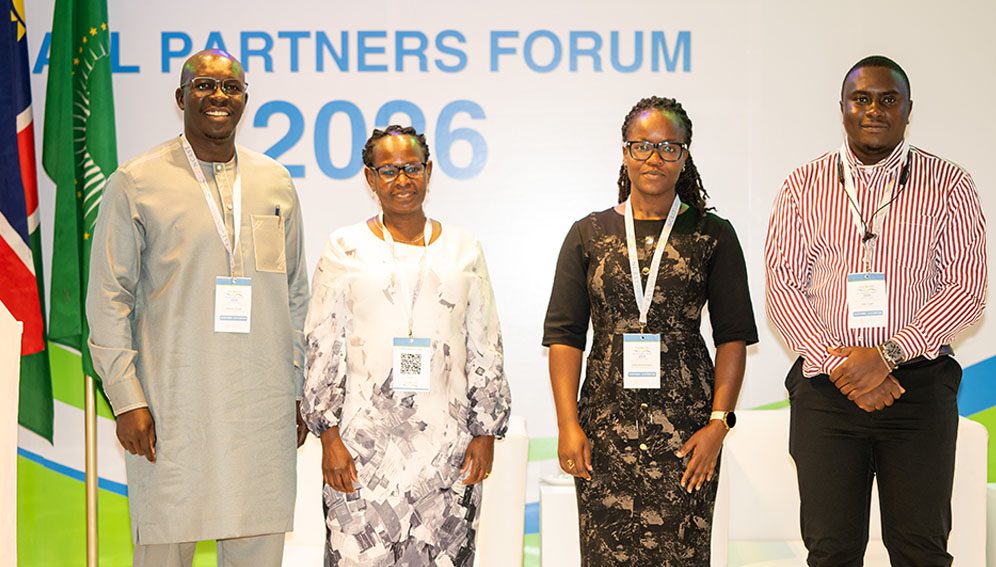
From calls for African-led research funding to stronger engagement with communities and governments, participants at the 2026 Science Granting Councils Initiative (SGCI) All Partners Forum left Windhoek with a shared sense that Africa’s science and innovation systems are entering a new phase. Held from 28…
NRF champions science, climate action and youth empowerment
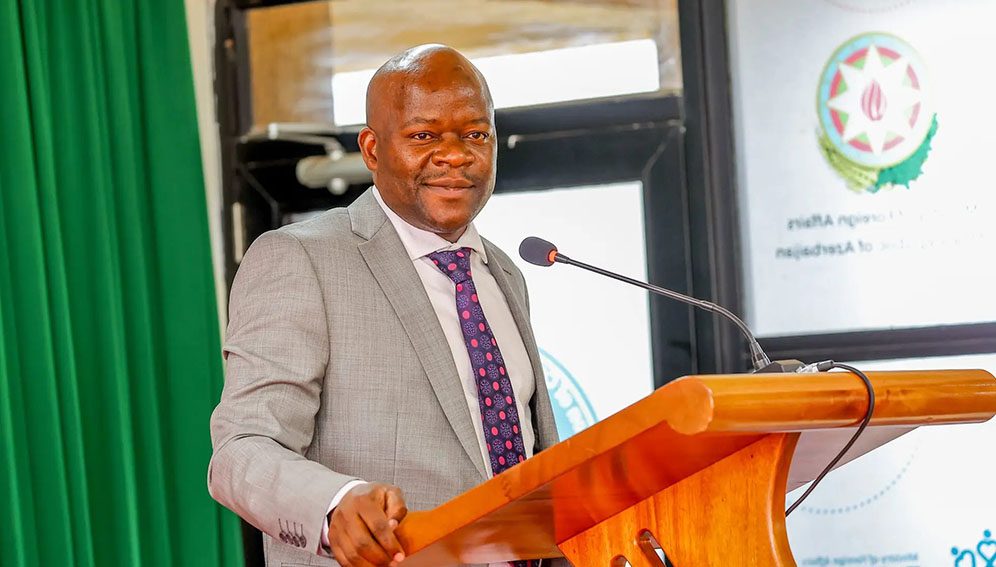
Kenya’s National Research Fund (NRF) is strengthening efforts to connect scientific research, innovation and youth participation with practical responses to climate and environmental challenges. NRF chief executive officer Dickson Andala represented the fund at the launch of the Climate Policy and Advocacy Training – Cohort…
Windhoek Declaration: African science funders pledge to act as one
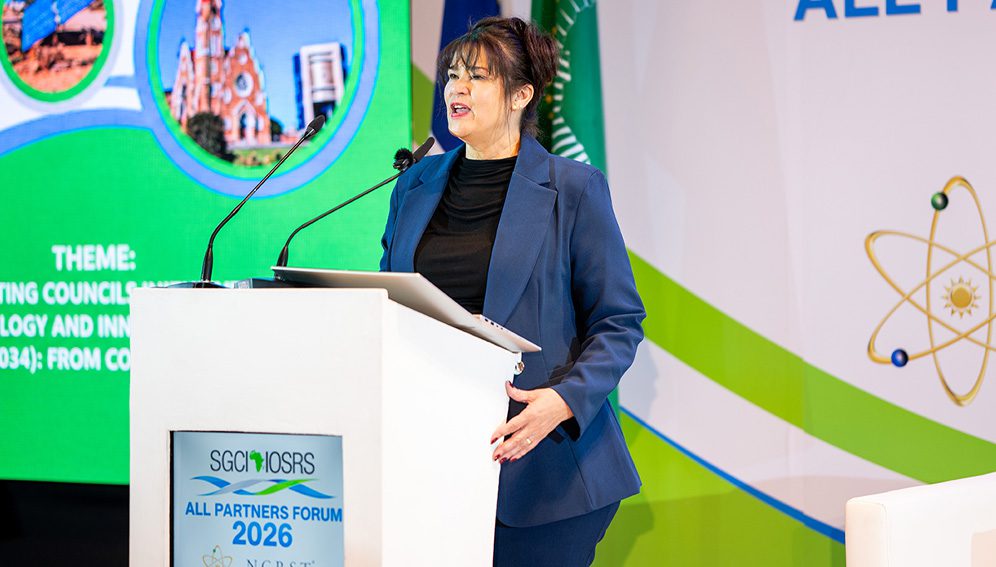
Science granting councils say Africa’s research systems need African ownership, steadier funding and less fragmentation. Here is what they agreed in Windhoek. African science granting councils adopted a collective declaration in Windhoek, Namibia, on 1 October 2026, as part of the Science Granting Councils Initiative…


SGCI funded projects
Rwanda’s integrated approach to sustainable agriculture and nutrition
Project Titles & Institution Areas of Research Number of Projects being funded Project Duration Grant Amount In-Kind Distribution Council Collaboration with other councils