
SGCI News
The Fund for Science, Technology, and Innovation (FONSTI) has reaffirmed its commitment to supporting applied research and regional scientific collaboration by launching a new climate-smart rice farming project to strengthen…
The Fund for Science, Technology, and Innovation (FONSTI) has reaffirmed its commitment to supporting applied research and regional scientific collaboration by launching a new climate-smart rice farming project to strengthen food security in West Africa.
FONSTI joined researchers, university leaders, and agricultural stakeholders on 23 April at Nangui Abrogoua University (UNA) in Abidjan for the official launch of research project No. 71, titled “Developing Climate-Smart Rice Farming in the Comoé Basin” (DRIC).
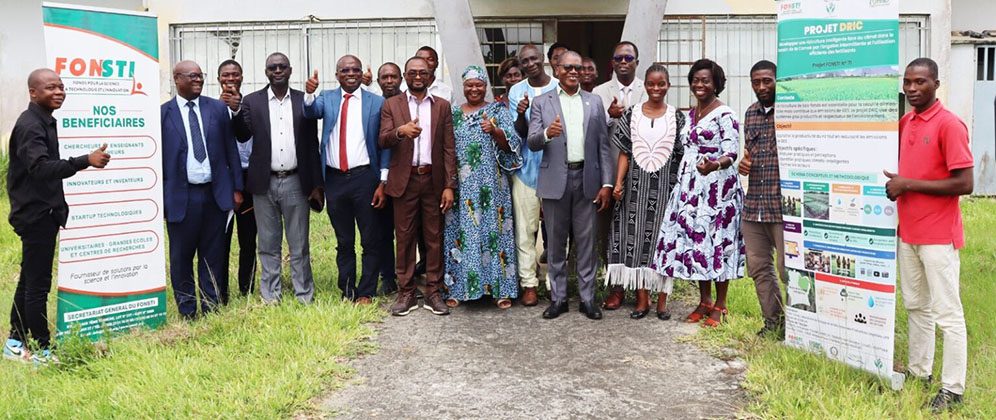
The event marked the start of a cross-border scientific initiative aimed at transforming rice farming practices in Côte d’Ivoire and Burkina Faso in the face of a changing climate.
The DRIC project is led by Koné Tchoa of UNA and Ouédraogo Oumarou of Joseph Ki-Zerbo University in Burkina Faso, under the scientific supervision of Koné Mongomaké. Its geographic focus spans Abengourou in Côte d’Ivoire and Banfora in Burkina Faso, two areas within the Comoé river basin where rice farming faces mounting climate pressures.
The collaboration is FONSTI’s broader commitment to fostering scientific cooperation across national borders within the region.
Opening the proceedings on behalf of the president of UNA, Eric Koffi welcomed the initiative and underscored its relevance to contemporary agricultural challenges.
He described the project as one designed to generate reliable, actionable data while reinforcing the university’s role as an active contributor to sustainable development, and highlighted its potential to train a new generation of agricultural scientists equipped to address the sub-region’s food systems challenges.
DRIC aims to drive a rethink of rice cultivation in light of climate change.
Tchoa outlined the scale of the challenge: rising temperatures, increasingly irregular rainfall, and the degradation of farming practices are threatening yields and livelihoods across the basin.
He said the project responds with concrete, evidence-based interventions, among them intermittent irrigation techniques and optimised fertiliser use, designed to raise productivity while reducing greenhouse gas emissions.
Beyond technical solutions, DRIC will analyse stakeholder perceptions, identify appropriate practices for local conditions, model both yields and emissions, and build the capacity of smallholder rice producers. “This project is about building a sustainable rice farming model rooted in local realities,” Tchoa said.
Representing FONSTI at the launch, secretary general Yaya Sangaré used the occasion to situate the project within the urgent challenge of national food sovereignty.
He cited figures showing that in 2024, Côte d’Ivoire spent close to 600 billion CFA francs on rice imports, a figure that lays bare the country’s dependence on external supply chains. Scientific research, he argued, is now an essential instrument for reversing that trend.
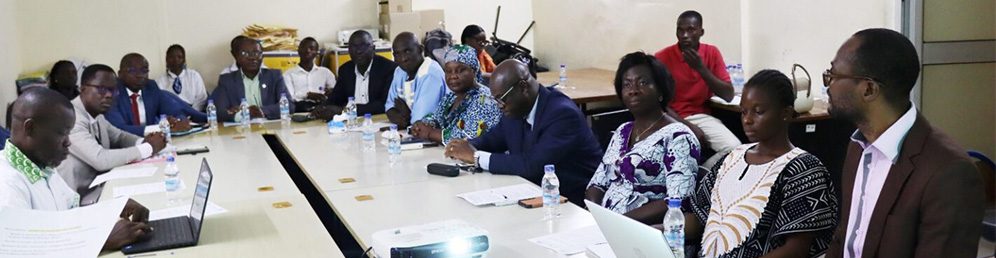
Funded at 25 million CFA francs, DRIC exemplifies FONSTI’s model of applied, impact-oriented research. By linking agricultural productivity, climate adaptation, and environmental preservation, the project offers a concrete response to one of West Africa’s most pressing food security challenges and a potential model for other rice-producing nations in the region.
Both Côte d’Ivoire and Burkina Faso are participating countries in the Science Granting Councils Initiative (SGCI), which supports African science funding agencies to strengthen research management, collaboration, and evidence-based innovation systems.
DRIC mirrors the kind of applied, cross-border research that SGCI’s capacity-strengthening work is designed to enable, connecting funding institutions, researchers, and development priorities across the region.
Please check out the stories and let us know what you think. We would love to hear from you!
Let’s continue the conversation on our social media
Published on 12 May 2026
By Jackie Opara-Fatoye
Related News
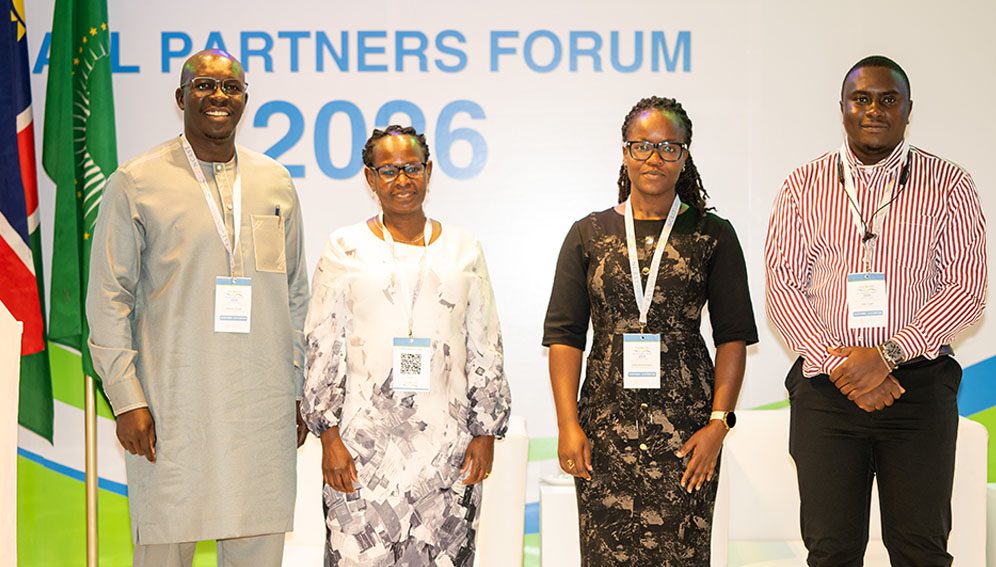
Voices from the SGCI Forum: Building an African-led science system
From calls for African-led research funding to stronger engagement with communities and governments, participants at the 2026 Science Granting Councils Initiative (SGCI) All Partners Forum left Windhoek with a shared sense that Africa’s science and innovation systems are entering a new phase. Held from 28…
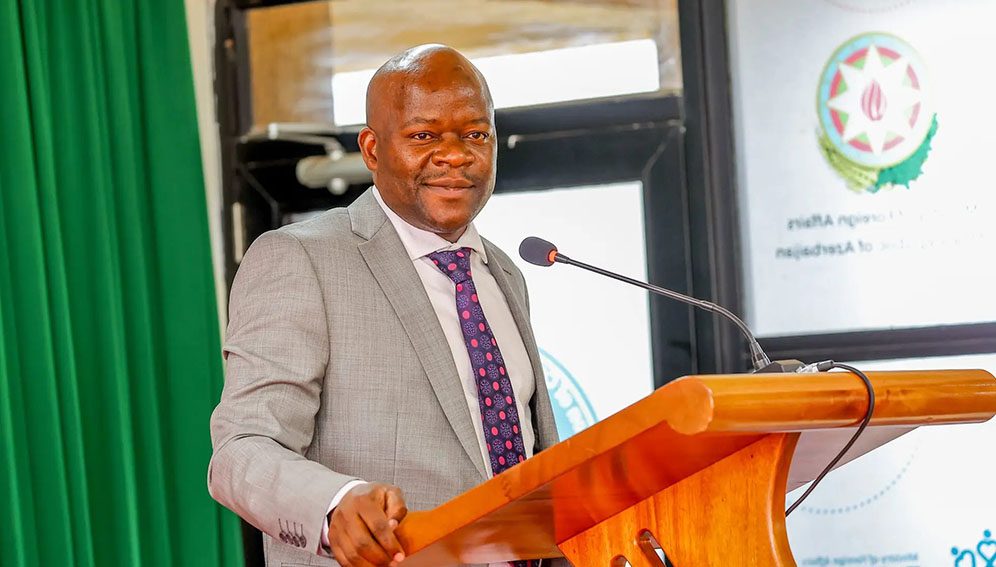
NRF champions science, climate action and youth empowerment
Kenya’s National Research Fund (NRF) is strengthening efforts to connect scientific research, innovation and youth participation with practical responses to climate and environmental challenges. NRF chief executive officer Dickson Andala represented the fund at the launch of the Climate Policy and Advocacy Training – Cohort…
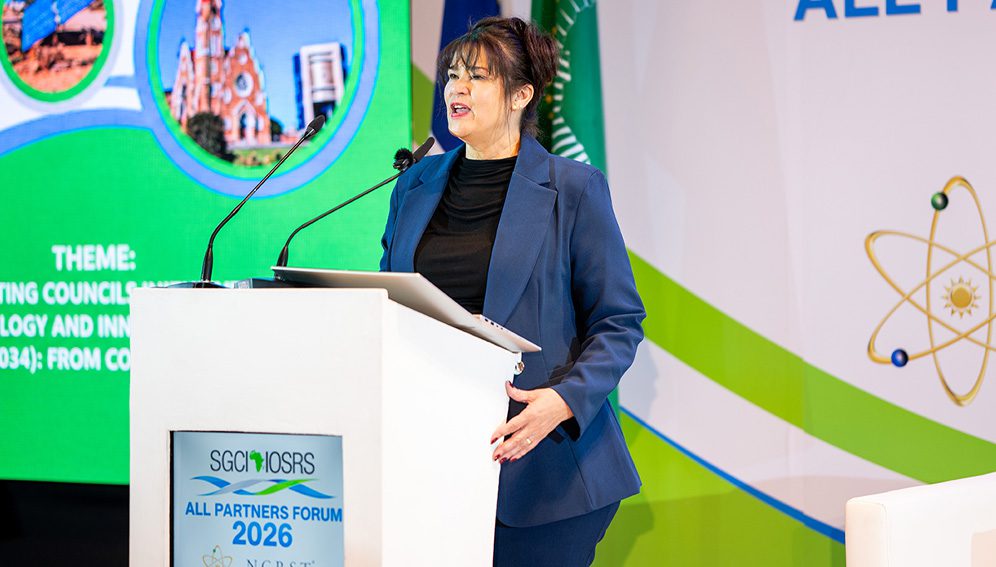
Windhoek Declaration: African science funders pledge to act as one
Science granting councils say Africa’s research systems need African ownership, steadier funding and less fragmentation. Here is what they agreed in Windhoek. African science granting councils adopted a collective declaration in Windhoek, Namibia, on 1 October 2026, as part of the Science Granting Councils Initiative…


SGCI funded projects
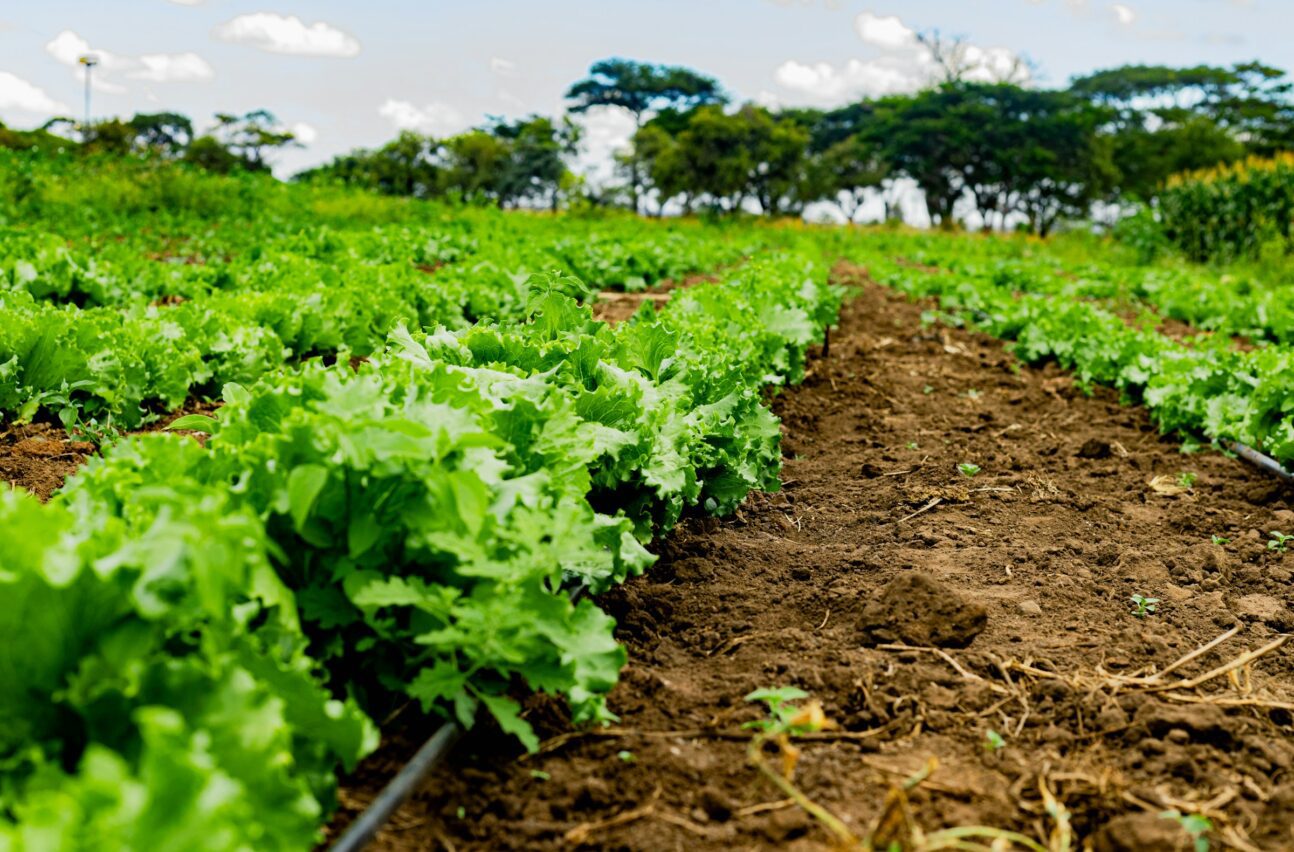
Rwanda’s integrated approach to sustainable agriculture and nutrition
Project Titles & Institution Areas of Research Number of Projects being funded Project Duration Grant Amount In-Kind Distribution Council Collaboration with other councils