
SGCI News
African countries are working to strengthen research quality, ethical practice, and grant management through the Research Excellence and Good Financial Grant Practices Workshop. The Science Granting Councils Initiative (SGCI), together…
African countries are working to strengthen research quality, ethical practice, and grant management through the Research Excellence and Good Financial Grant Practices Workshop.
The Science Granting Councils Initiative (SGCI), together with the Association of African Universities and Senegal’s Ministry of Higher Education, Research and Innovation, organised the workshop from November 26-28, in Dakar, Senegal.
Representatives from Burkina Faso, Ethiopia, Ghana, Kenya, Malawi, Mozambique, Senegal, Sierra Leone, Tanzania, Togo, Uganda, and Zimbabwe participated in sessions covering research ethics, grant management, and impact planning.
Hamidou Duff, the director general of Research at Senegal’s Ministry of Higher Education, Research and Innovation, identified ongoing research financing problems as a key obstacle to advancing Africa’s development priorities during the workshop’s opening.
He described initiatives like SGCI as vital platforms for strengthening national systems and promoting ethical practice.
The workshop is focused on practical institutional assessments, with participants examining what constitutes an “impact-healthy research institution” and identifying steps to address weak impact culture within their organisations.
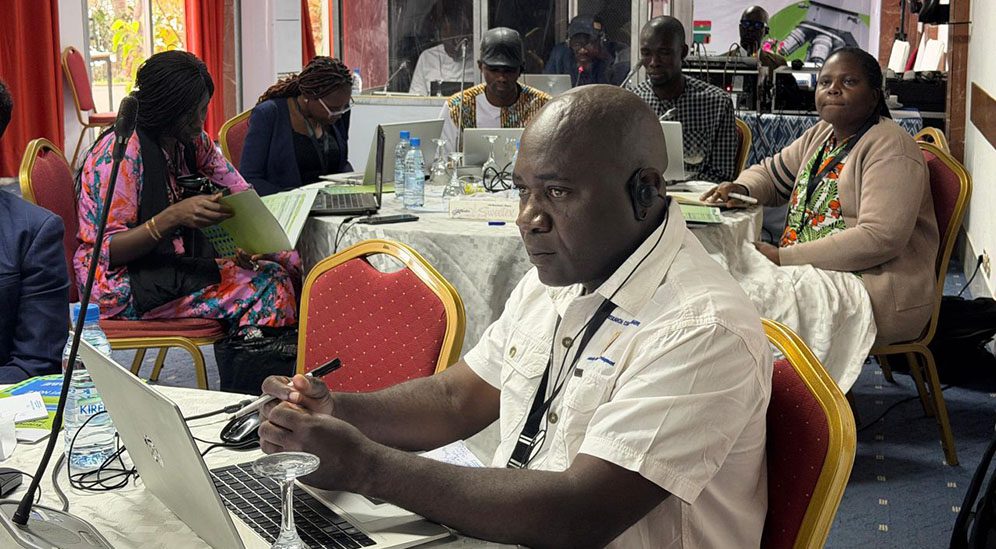
Discussions also highlighted how research institutions can create measurable change in policies, systems, and communities rather than producing findings that go unapplied.
Ruth Issambo Nyarko, project coordinator for SGCI at the Association of African Universities, highlighted the strategic partnerships and shared purpose that continue to shape the councils’ collective journey.
She said the workshop serves as a platform for shared learning and strengthening research impact across Africa, extending beyond technical training to include relationship-building among councils.
The workshop emphasises that research impact must be intentional and planned from early stages, with stakeholders involved to ensure findings address gaps and create tangible change.
Please check out the stories and let us know what you think. We would love to hear from you!
Let’s continue the conversation on our social media
Published on 25 November 2025
Related News
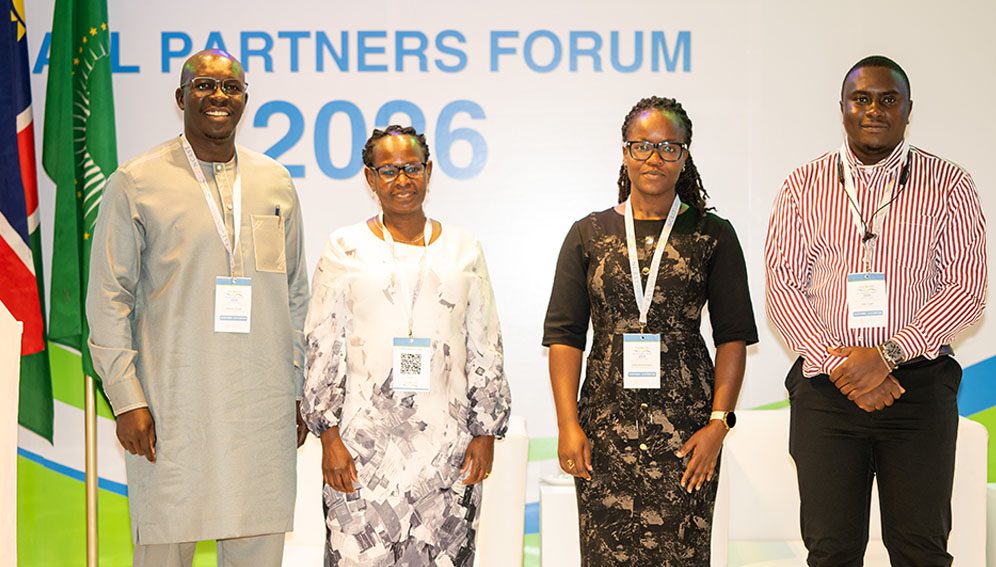
Voices from the SGCI Forum: Building an African-led science system
From calls for African-led research funding to stronger engagement with communities and governments, participants at the 2026 Science Granting Councils Initiative (SGCI) All Partners Forum left Windhoek with a shared sense that Africa’s science and innovation systems are entering a new phase. Held from 28…
NRF champions science, climate action and youth empowerment
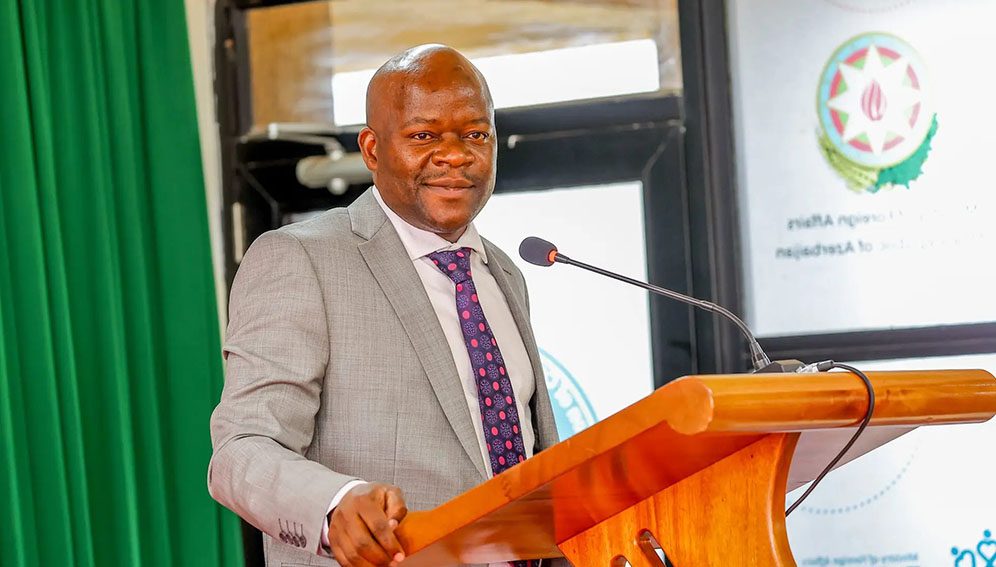
Kenya’s National Research Fund (NRF) is strengthening efforts to connect scientific research, innovation and youth participation with practical responses to climate and environmental challenges. NRF chief executive officer Dickson Andala represented the fund at the launch of the Climate Policy and Advocacy Training – Cohort…
Windhoek Declaration: African science funders pledge to act as one
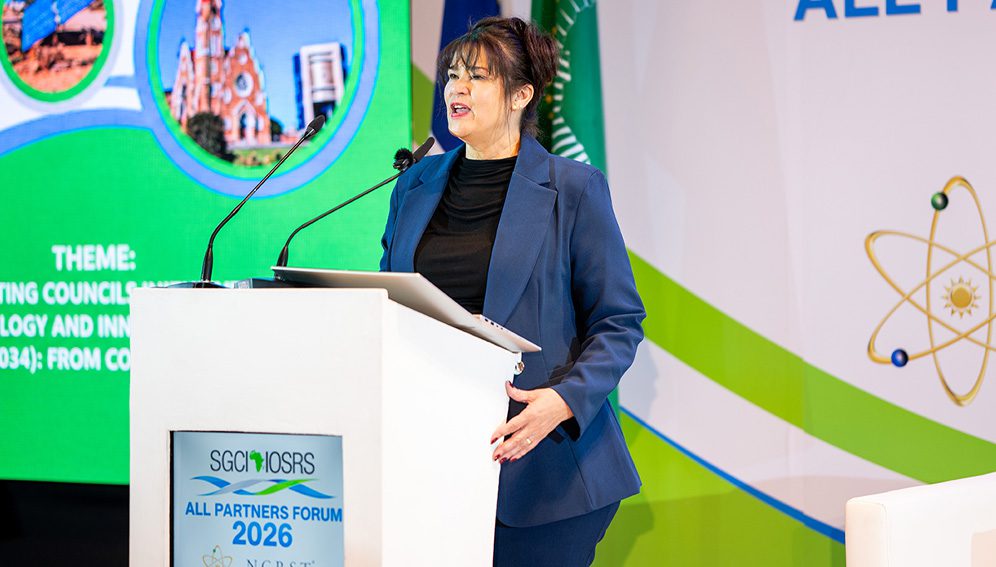
Science granting councils say Africa’s research systems need African ownership, steadier funding and less fragmentation. Here is what they agreed in Windhoek. African science granting councils adopted a collective declaration in Windhoek, Namibia, on 1 October 2026, as part of the Science Granting Councils Initiative…


SGCI funded projects

Rwanda’s integrated approach to sustainable agriculture and nutrition
Project Titles & Institution Areas of Research Number of Projects being funded Project Duration Grant Amount In-Kind Distribution Council Collaboration with other councils