
SGCI News
Field trials testing a locally developed organo-mineral fertiliser are showing early promise in Malawi, with the country’s science funding body taking a hands-on approach to tracking progress. Members of the…
Field trials testing a locally developed organo-mineral fertiliser are showing early promise in Malawi, with the country’s science funding body taking a hands-on approach to tracking progress.
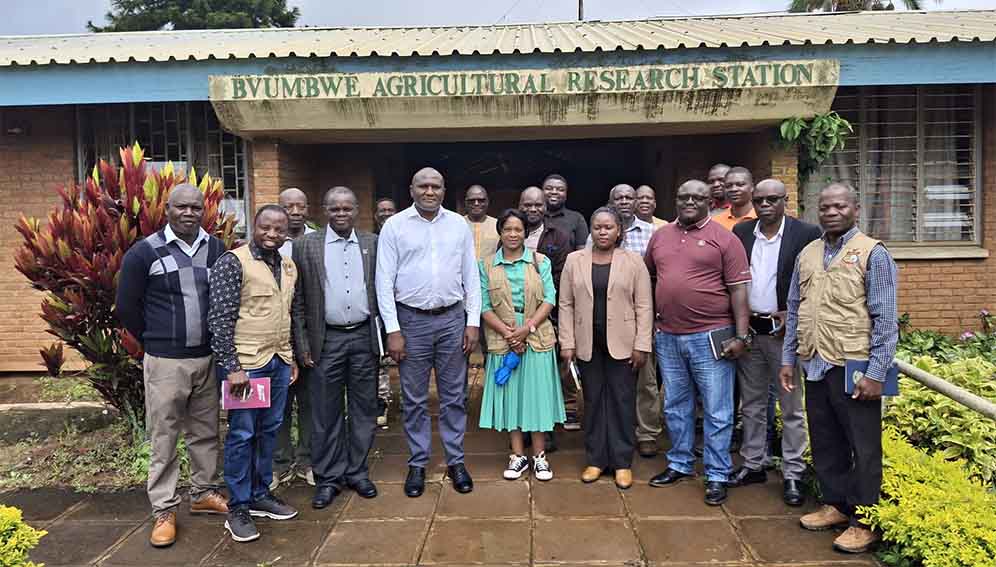
Members of the National Commission for Science and Technology (NCST) board of commissioners recently visited two of the five active trial sites at the Lilongwe University of Agriculture and Natural Resources (LUANAR) in Lilongwe and Bvumbwe Research Station in Thyolo, where the fertiliser is being assessed for its performance on maize crops.
For years, Malawian farmers have contended with rising fertiliser prices, declining soil health, and persistent foreign exchange constraints, all of which have contributed to chronically low crop yields. Much of the country’s inorganic fertiliser supply is imported and distributed through subsidy programmes that place a significant burden on the national economy.
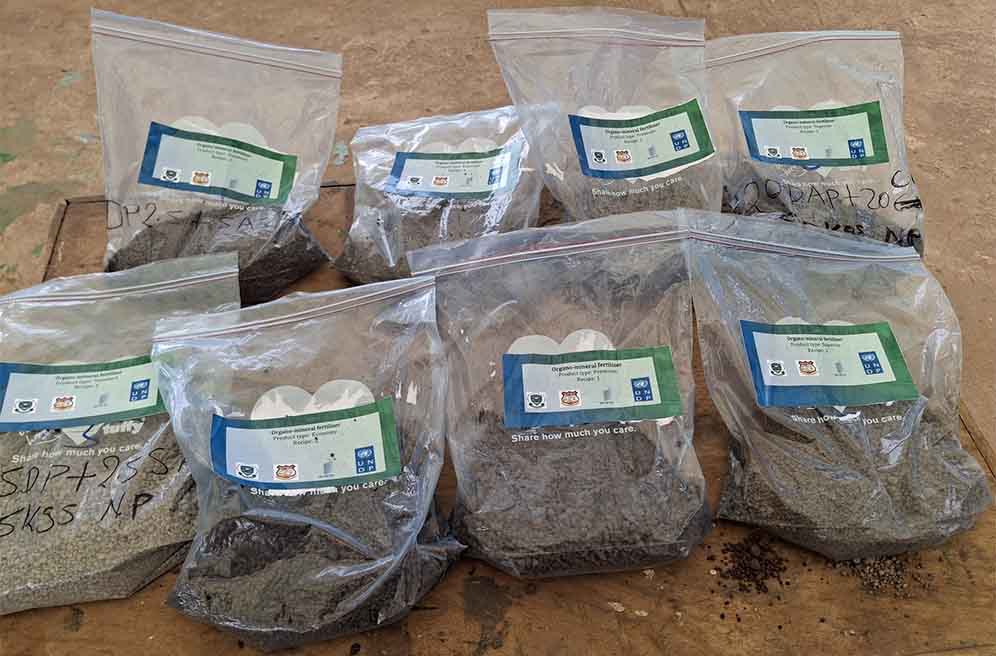
The organo-mineral fertiliser under trial was developed by LUANAR scientists in collaboration with NCST and is designed to offer farmers an affordable, environmentally friendly, and high-yielding alternative.
LUANAR scientists began developing the formulation three years ago, focusing on organic and mineral waste resources that are largely available within Malawi.
A small-scale production facility has since been installed at LUANAR’s Bunda campus to produce the fertiliser for field testing.
This is the second round of trials. Preliminary trials conducted last year at LUANAR and in Mkwinda village in Lilongwe yielded promising results, with an average yield of eight tonnes per hectare.
Building on that data, the current trials are running simultaneously across five sites: Chitala Research Station in Salima, Bembeke Research Station in Dedza, Bvumbwe Research Station in Thyolo, Mbawa Research Station in Mzimba, and LUANAR in Lilongwe.
NCST board chairperson Hester Nyasulu expressed satisfaction with what the commissioners observed and underlined the need to move beyond experimental plots towards wider adoption by farmers.
LUANAR vice chancellor, Emmanuel Kaunda, who met with the commissioners during the visits, said a locally produced fertiliser would help reduce Malawi’s dependence on imported inputs. “The development of a locally produced organo-mineral fertiliser will help reduce dependency on imported inorganic fertiliser, much of which is supplied through programs that place a heavy burden on the national economy,” he said.
The initiative is financed through NCST’s Science and Technology Fund, with NCST serving as the overall coordinator and LUANAR as the technical lead for research and development.
As a member of the Science Granting Councils Initiative, NCST is among a growing number of African science funding bodies working to strengthen national research systems and translate scientific investment into tangible development outcomes. The organo-mineral fertiliser project is one example of that effort in practice.
Please check out the stories and let us know what you think. We would love to hear from you!
Let’s continue the conversation on our social media
Published on 14 May 2026
By Jackie Opara-Fatoye
Related News
Voices from the SGCI Forum: Building an African-led science system
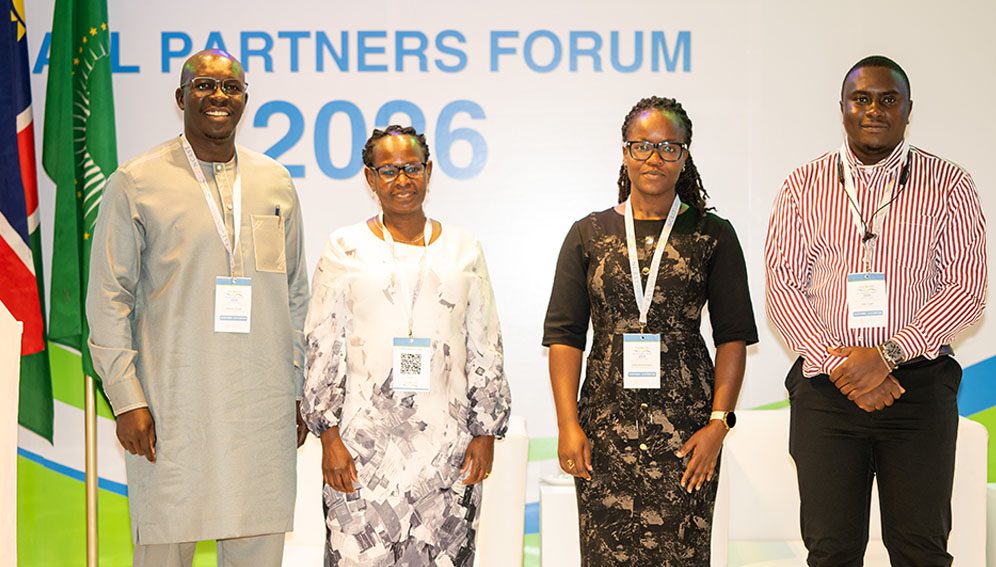
From calls for African-led research funding to stronger engagement with communities and governments, participants at the 2026 Science Granting Councils Initiative (SGCI) All Partners Forum left Windhoek with a shared sense that Africa’s science and innovation systems are entering a new phase. Held from 28…
NRF champions science, climate action and youth empowerment
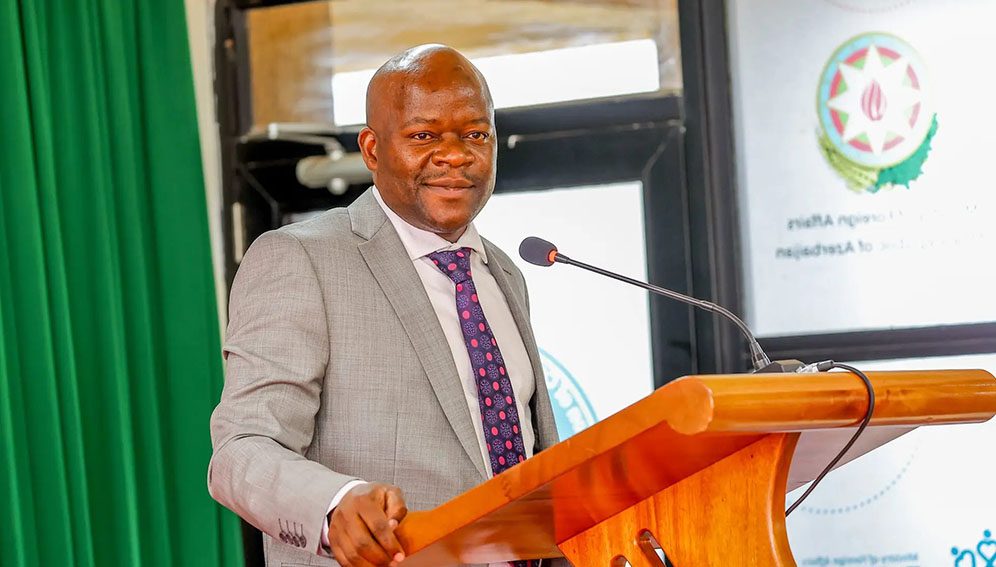
Kenya’s National Research Fund (NRF) is strengthening efforts to connect scientific research, innovation and youth participation with practical responses to climate and environmental challenges. NRF chief executive officer Dickson Andala represented the fund at the launch of the Climate Policy and Advocacy Training – Cohort…
Windhoek Declaration: African science funders pledge to act as one
Science granting councils say Africa’s research systems need African ownership, steadier funding and less fragmentation. Here is what they agreed in Windhoek. African science granting councils adopted a collective declaration in Windhoek, Namibia, on 1 October 2026, as part of the Science Granting Councils Initiative…


SGCI funded projects
Rwanda’s integrated approach to sustainable agriculture and nutrition
Project Titles & Institution Areas of Research Number of Projects being funded Project Duration Grant Amount In-Kind Distribution Council Collaboration with other councils