SGCI News
Strengthening national science granting councils is emerging as one of the most effective pathways for improving how African countries finance and govern science for development. This was the focus of…
Strengthening national science granting councils is emerging as one of the most effective pathways for improving how African countries finance and govern science for development.
This was the focus of the thematic session on Financing Science for Impact held during the Science Forum South Africa (SFSA) Side Event from 24 to 28 November at the CSIR International Convention Centre in Pretoria, South Africa.
The session, “Financing science for impact: Strengthening granting councils as catalysts of STI transformation”, brought together experts to examine how effectively national granting councils serve as the foundation for effective research funding systems.
Moderated by Matthew Wallace from the International Development Research Centre (IDRC), the panel featured Dorothy Ngila of South Africa’s National Research Foundation (NRF), Neema Tindamanyire of Tanzania’s Commission for Science and Technology, Nahed Salem of the Federation of Arab Scientific Research Councils, and Mariabel Dutari of Panama’s National Secretariat for Science, Technology and Innovation.
Panelists noted that while funding for science remains insufficient, an equally critical challenge is the institutional readiness of councils to design programmes, disburse funds effectively, and steward national research priorities.
Stronger systems, they argued, allow governments to use limited resources more strategically and leverage international partnerships more effectively.
Wallace said: “The panel discussions highlighted the value of enhancing exchanges and collaborations between science granting councils in the Global South.”
“It also showed how IDRC is building on ten years of success in the Science Granting Councils Initiative (SGCI) to benefit other regional science ecosystems,” he adds.
Building capacity
Marking its tenth year, the SGCI was highlighted as a major driver of institutional strengthening across sub-Saharan Africa.
Since its launch in 2015, SGCI has supported councils to improve research management, increase transparency in funding, integrate gender and inclusivity considerations, and align national programmes with regional priorities such as the African Union’s STISA-2034.
A notable achievement has been embedding gender and inclusivity into research funding processes. SGCI has also catalysed major initiatives, such as the OR Tambo Research Chairs, and enabled new funding collaborations with organisations.
As it enters its third phase, SGCI is placing stronger emphasis on funding research at domestic, bilateral, and multilateral levels, while supporting greater alignment with continental STI strategies.
Expanding the model beyond Africa
Panelists also highlighted how the SGCI model is influencing new efforts beyond the continent.
IDRC is working to strengthen granting councils and regional networks in Latin America, the Arab Region, and Southeast Asia, including supporting the establishment of functional councils in Cambodia and Laos.
According to Wallace, this expansion reflects a growing recognition of the role that national science granting councils and similar regional organisations can play in driving research excellence, fostering peer learning, and shaping collaborative, South-driven collaborative research.
Building on SGCI’s success, IDRC has adapted the council-centred framework to suit diverse contexts across the Global South, demonstrating its flexibility and relevance in strengthening STI governance and ecosystems.
Looking ahead: South–South collaboration
The session also explored how councils can build on SGCI’s momentum to co-develop new mechanisms for financing STI, influence global research priorities, and create collaborative ecosystems grounded in Southern leadership.
Discussions centred on practical ways to scale South–South collaboration, including peer-to-peer learning, jointly designed research agendas, and equitable international partnerships tailored to pressing global challenges.
As the international research funding landscape continues to shift, the SGCI model offers a decentralised, adaptable approach that reinforces the leadership of both emerging and established councils in shaping regional and global STI priorities.
The session concluded with an interactive discussion, with participants sharing insights and recommendations on advancing council-centred STI financing models and capacity development pathways for the future.
Please check out the stories and let us know what you think. We would love to hear from you!
Let’s continue the conversation on our social media channels
Published on 10 December 2025
Related News
Voices from the SGCI Forum: Building an African-led science system
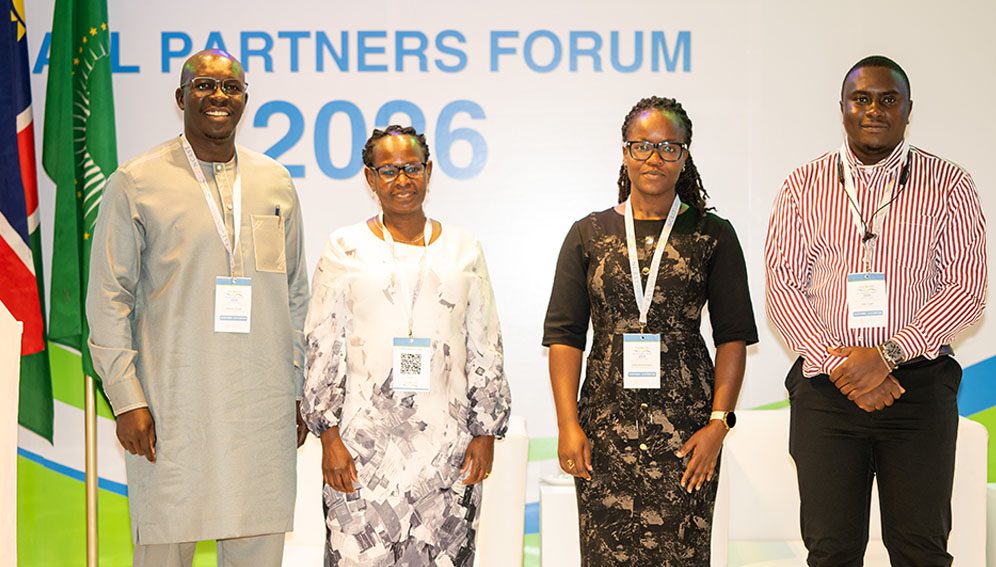
From calls for African-led research funding to stronger engagement with communities and governments, participants at the 2026 Science Granting Councils Initiative (SGCI) All Partners Forum left Windhoek with a shared sense that Africa’s science and innovation systems are entering a new phase. Held from 28…
NRF champions science, climate action and youth empowerment
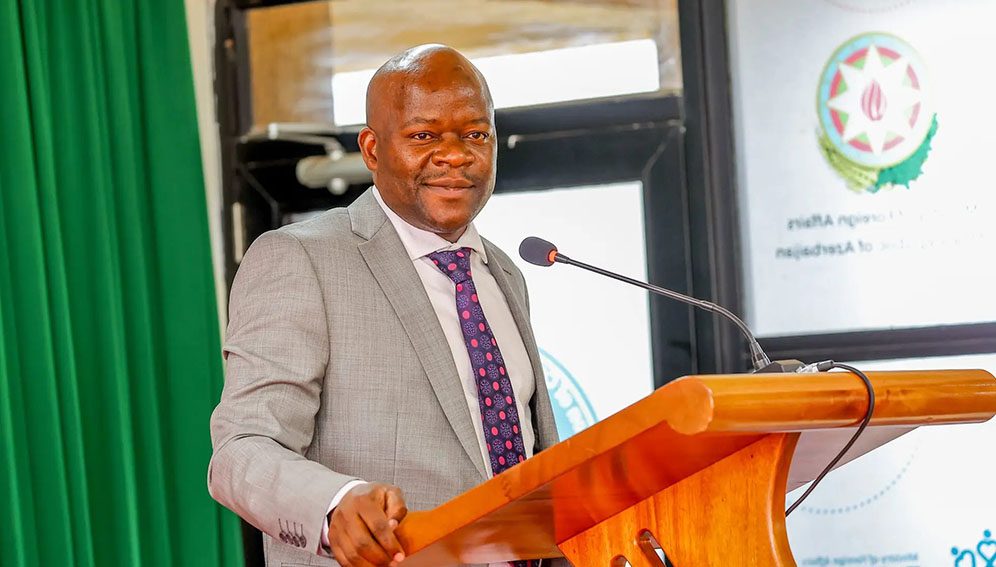
Kenya’s National Research Fund (NRF) is strengthening efforts to connect scientific research, innovation and youth participation with practical responses to climate and environmental challenges. NRF chief executive officer Dickson Andala represented the fund at the launch of the Climate Policy and Advocacy Training – Cohort…
Windhoek Declaration: African science funders pledge to act as one
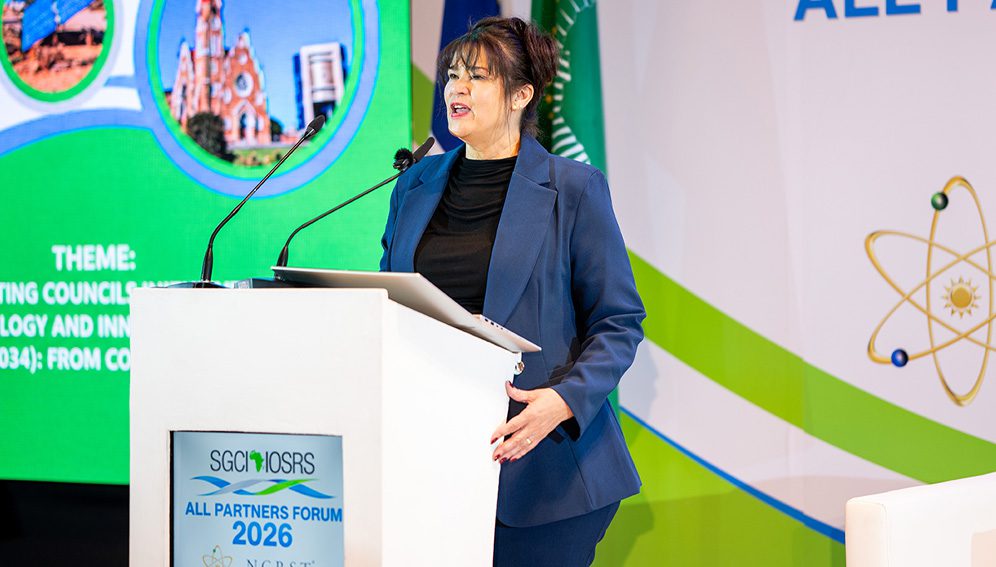
Science granting councils say Africa’s research systems need African ownership, steadier funding and less fragmentation. Here is what they agreed in Windhoek. African science granting councils adopted a collective declaration in Windhoek, Namibia, on 1 October 2026, as part of the Science Granting Councils Initiative…


SGCI funded projects

Rwanda’s integrated approach to sustainable agriculture and nutrition
Project Titles & Institution Areas of Research Number of Projects being funded Project Duration Grant Amount In-Kind Distribution Council Collaboration with other councils