SGCI News
The Ghana National Research Fund (GNRF) is taking steps to strengthen open access to publicly funded research, as the country develops a framework to advance Open Research and Open Science….
The Ghana National Research Fund (GNRF) is taking steps to strengthen open access to publicly funded research, as the country develops a framework to advance Open Research and Open Science.
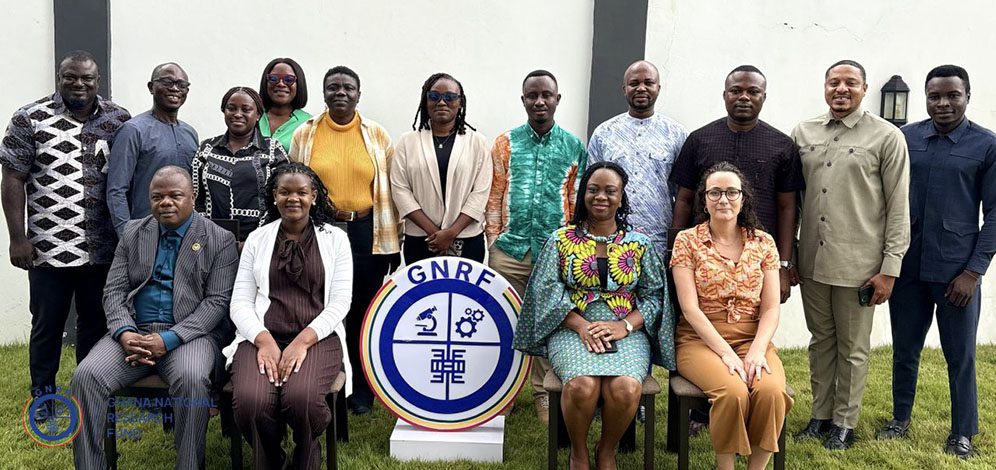
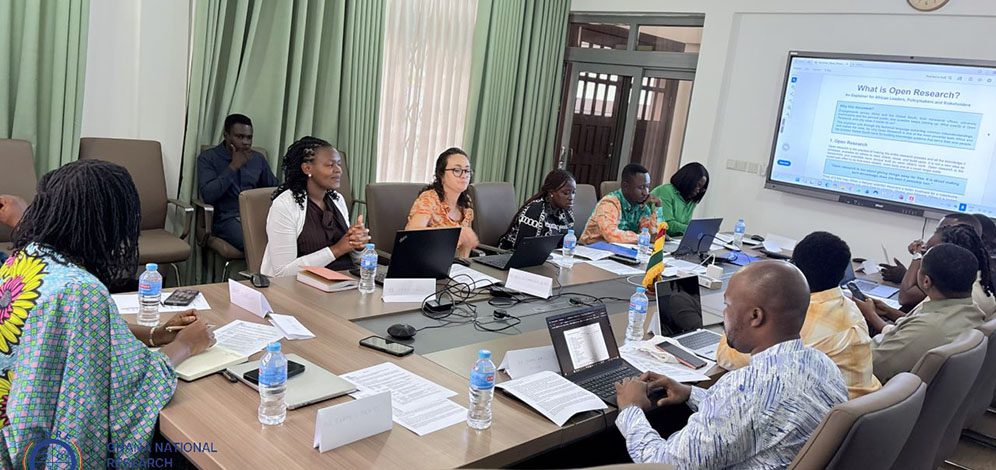
GNRF hosted a one-day consultative workshop in Accra with the International Network for Advancing Science and Policy (INASP), bringing together stakeholders to explore how Ghana can translate its emerging Open Science strategies into practical approaches for researchers and institutions.
The discussions focused on Ghana’s draft Open Science framework and the role of research funders in making publicly funded research more accessible, usable and impactful.
Under a proposed Legislative Instrument, publicly funded research findings would be required to be published in open-access journals within 12 months of completing the research. The proposal is aligned with Ghana’s draft National Open Science Strategy and the African Union’s Science, Technology and Innovation Strategy for Africa (STISA-2034), which identify research funders as important drivers of Open Science.
For GNRF, the move also supports its mandate under the Ghana National Research Fund Act, 2020 (Act 1056), which requires the Fund to promote knowledge and technology transfer. Greater access to publicly funded research could help extend research findings beyond academic institutions and make them more accessible to policymakers, industry and wider society.
At the same time, GNRF stressed the importance of protecting researchers’ and innovators’ intellectual property. The proposed approach recognises that appropriate intellectual property protection should be secured before research outputs are made openly available.
The engagement concluded with a commitment to develop an action plan to guide further knowledge exchange among research councils and inform the design of a proposed two-year Open Research initiative for Africa.
The discussions speak to a growing focus among Africa’s research funding institutions on strengthening systems that make research more accessible while supporting responsible knowledge sharing and innovation.
Explore opportunities for collaborative research
The emphasis on open and collaborative research also aligns with the objectives of the SGCI–STISA-2034 Multilateral Research Call, which supports multi-country research partnerships addressing priority challenges across Africa.
The Call is supported through a partnership of African Science Granting Councils, the International Development Research Centre (IDRC), the Government of Norway, the UK’s Foreign, Commonwealh & Development Office (FCDO), and Wellcome.
Explore the full eligibility requirements and access the application portal at https://call.sgci.africa/. Expressions of interest are due September 25, 2026.
Please check out the stories and let us know what you think. We would love to hear from you!
Let’s continue the conversation on our social media
Published on 9 September 2026
By Jackie Opara-Fatoye
Related News
Ivorian researchers develop solutions to illegal gold mining damage
Locally developed technologies for detecting heavy metals in water and restoring contaminated farmland could help Côte d’Ivoire address the environmental and public health consequences of illegal gold mining. Illegal gold mining has affected 29 of Côte d’Ivoire’s 31 regions, threatening water resources, agricultural land and…
How research management is changing Africa’s science funders
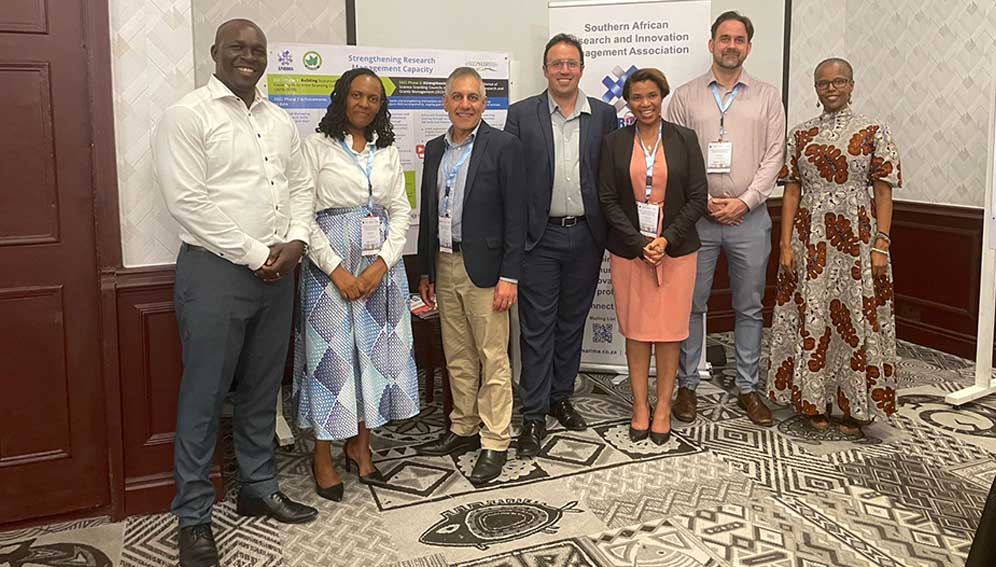
A new grant appeals procedure in Zimbabwe, improved digital grant management in Namibia, and stronger gender inclusion leadership in Zambia are among the institutional changes emerging from efforts to strengthen research management across Sub-Saharan Africa. Theme one of the Science Granting Councils Initiative Phase II…
Can Rwanda’s farm waste help restore its depleted soils?
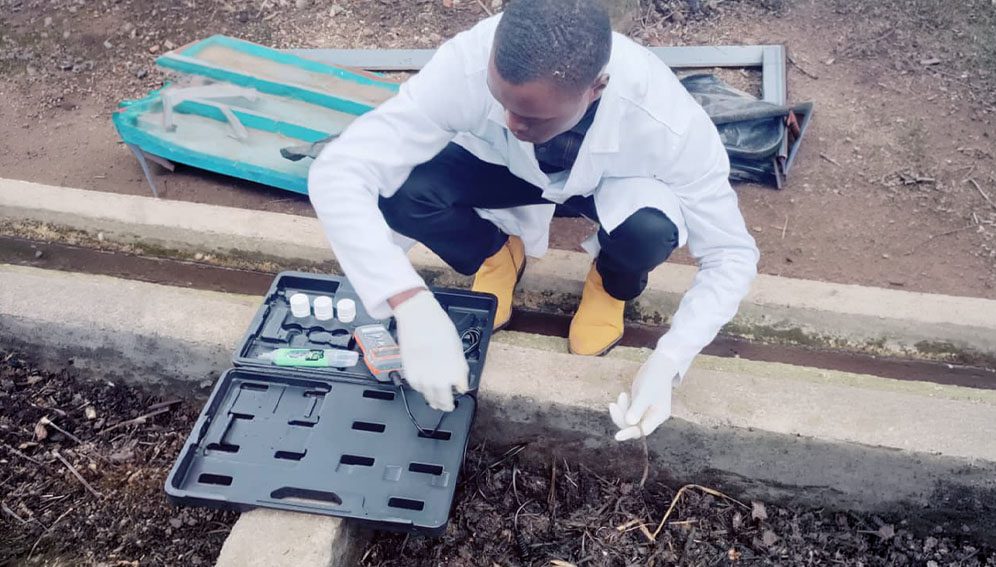
Locally developed vermicompost and biochar show promise for improving crop yields and soil health, but researchers say further testing is needed before wider adoption. The vermicompost process uses tiger worms to break down prepared organic materials into a dark, crumb-like product, while the biochar is…


SGCI funded projects
Rwanda’s integrated approach to sustainable agriculture and nutrition
Project Titles & Institution Areas of Research Number of Projects being funded Project Duration Grant Amount In-Kind Distribution Council Collaboration with other councils