
SGCI News
Here is a recap of stories published in the latest Footprint Newsletter. Across the continent, researchers are working hand in hand with farmers to develop practical solutions that respond to…
Here is a recap of stories published in the latest Footprint Newsletter.
Across the continent, researchers are working hand in hand with farmers to develop practical solutions that respond to the challenges of food insecurity and climate change.
This month’s edition brings you three such stories. From Uganda’s coffee fields to vegetable farms in Kenya and all the way to Namibia’s indigenous crops. Each story highlights how research and innovation are driving sustainable agricultural practices and helping communities build resilience in the face of a changing climate.
Here are some excerpts from the stories
Ugandan researchers have developed a method to transform the waste generated by leather production into a nutrient-rich agricultural solution for coffee farming.
The innovation addresses critical challenges in Uganda’s agricultural sector by targeting waste management and soil fertility through a scientifically advanced approach to organic fertiliser production.
Sammy Ndungu, a smallholder farmer in Kiambu, central Kenya, struggled with low yields due to reliance on rain-fed agriculture, but this changed when researchers visited his community to train smallholders in the preparation of nurseries, application of organic fertiliser, and crop management.
A lack of protein is a major contributor to malnutrition in low- and middle-income countries, where many people’s diets are heavily dependent on staple crops.
To tackle this problem in Namibia, researchers started a food and nutrition project to train farmers in the use of a biofertiliser to produce protein-enriched legumes.
Please check out the stories and let us know what you think. We would love to hear from you!
Let’s continue the conversation on our social media
Follow us on LinkedIn
Related News
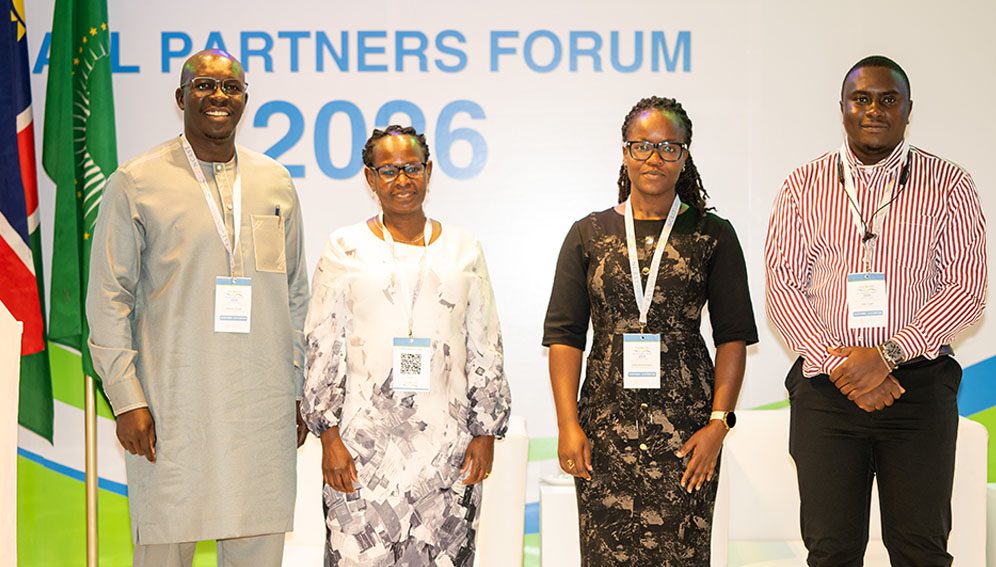
Voices from the SGCI Forum: Building an African-led science system
From calls for African-led research funding to stronger engagement with communities and governments, participants at the 2026 Science Granting Councils Initiative (SGCI) All Partners Forum left Windhoek with a shared sense that Africa’s science and innovation systems are entering a new phase. Held from 28…
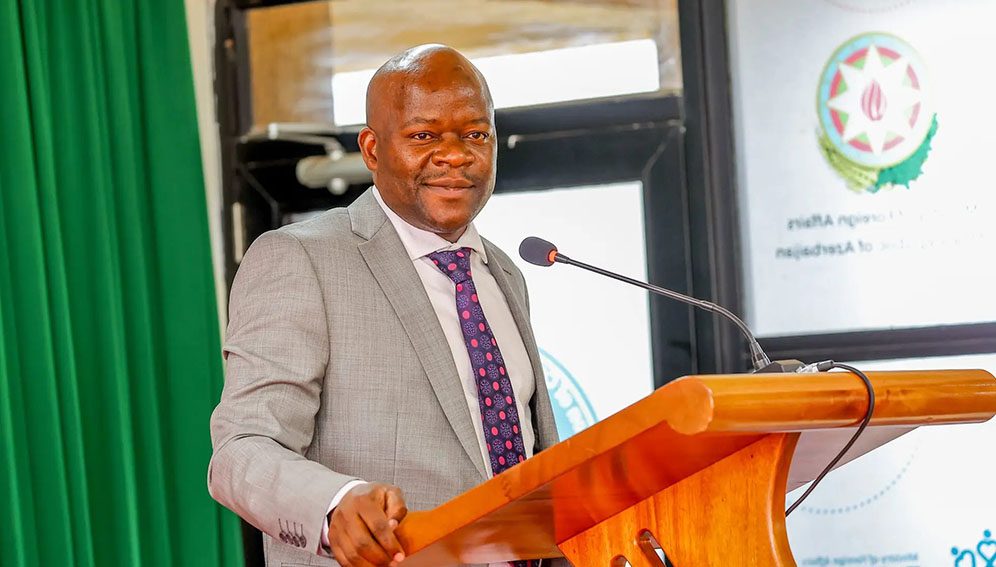
NRF champions science, climate action and youth empowerment
Kenya’s National Research Fund (NRF) is strengthening efforts to connect scientific research, innovation and youth participation with practical responses to climate and environmental challenges. NRF chief executive officer Dickson Andala represented the fund at the launch of the Climate Policy and Advocacy Training – Cohort…
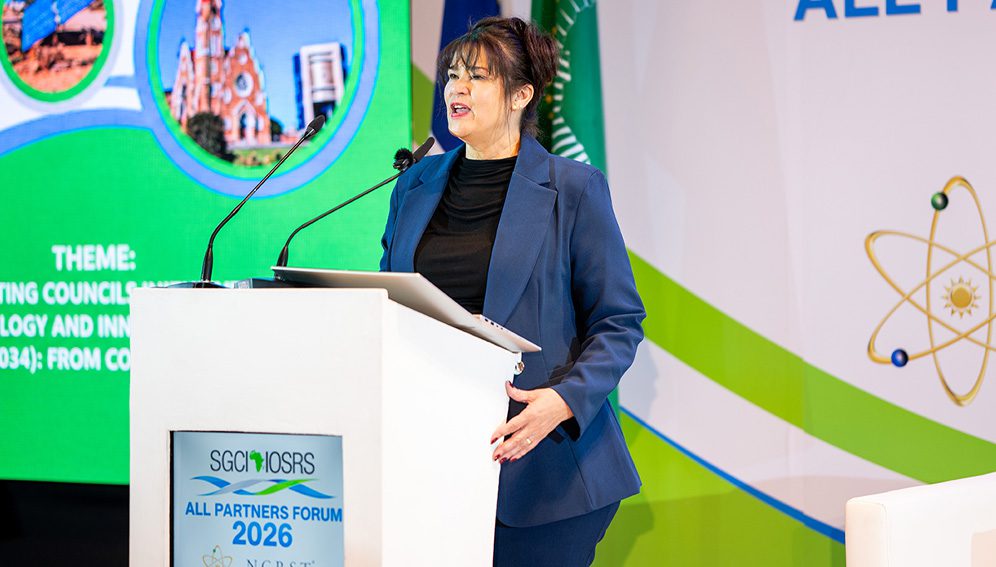
Windhoek Declaration: African science funders pledge to act as one
Science granting councils say Africa’s research systems need African ownership, steadier funding and less fragmentation. Here is what they agreed in Windhoek. African science granting councils adopted a collective declaration in Windhoek, Namibia, on 1 October 2026, as part of the Science Granting Councils Initiative…


SGCI funded projects
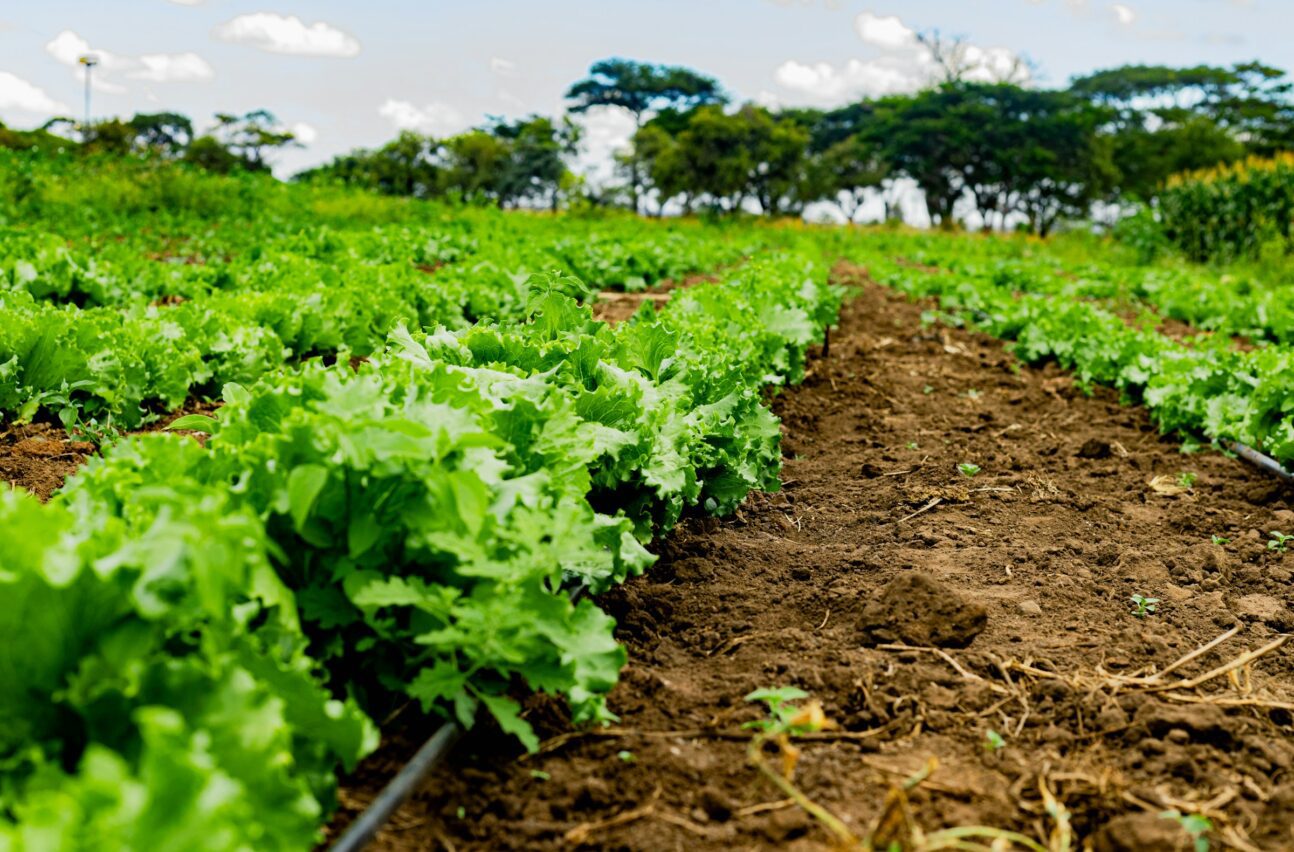
Rwanda’s integrated approach to sustainable agriculture and nutrition
Project Titles & Institution Areas of Research Number of Projects being funded Project Duration Grant Amount In-Kind Distribution Council Collaboration with other councils