Kenya
Science Granting Council
Summary
To mobilize resources for research, capacity development, dissemination of findings and maintenance of inventory for the advancement of Science Technology and Innovation for Sustainable National Development
Council details
The National Research Fund (NRF) in Kenya advances science, technology, and innovation (STI) for sustainable national development. It operates under the Ministry of Education’s State Department for Higher Education and Research, overseeing funding for Kenya’s STI system.
The NRF mobilises and manages financial resources from government, private sector, venture capital, and development partners to fund research. It works alongside two key sister agencies: National Commission for Science Technology and Innovation, which regulates STI, and Kenya National Innovation Agency, which supports research commercialisation.
A key focus of the NRF is funding postgraduate research and strengthening institutions, especially universities, across the country.
Strengthening Research Through SGCI
The NRF has been part of the Science Granting Councils Initiative (SGCI) since 2018 and joined both SGCI Phase I and II. Participation in SGCI has boosted NRF’s capacity in research funding, grant management, and science policy development.
Through SGCI, staff have received targeted training in monitoring and evaluation, intellectual property rights, gender equality, and science communication. These efforts have improved how the NRF designs, evaluates, and communicates research outputs to maximise impact.
Hosting the SGCI Annual Forum and GRC Meeting 2023
In 2023, Kenya hosted the SGCI Annual Forum and Global Research Council (GRC) Meeting in Nairobi. Organised by National Research Fund, the event brought together research leaders, funders, and policymakers from Africa and around the world.
The forum encouraged sharing of best practices, building partnerships, and addressing global research challenges collaboratively.
Leadership Perspective: Driving Kenya’s Research Future
In a recent interview, Professor Dickson Andala, CEO of NRF, reflected on the organisation’s progress since becoming operational in 2013. He highlighted SGCI’s role in building institutional capacity and strengthening local and international collaboration.
He also noted that SGCI has helped Kenya expand its global research visibility and align with international research standards. The NRF remains dedicated to supporting innovation through strategic funding, partnerships, and knowledge exchange. With continued SGCI support, NRF aims to grow Kenya’s STI ecosystem and support Africa’s sustainable development.
Impact we’re having

Stories of change
Low-tech health app engages
Five years after its launch, PENSA – a mobile app developed in Mozambique— has been accessed by…
SGCI funded projects
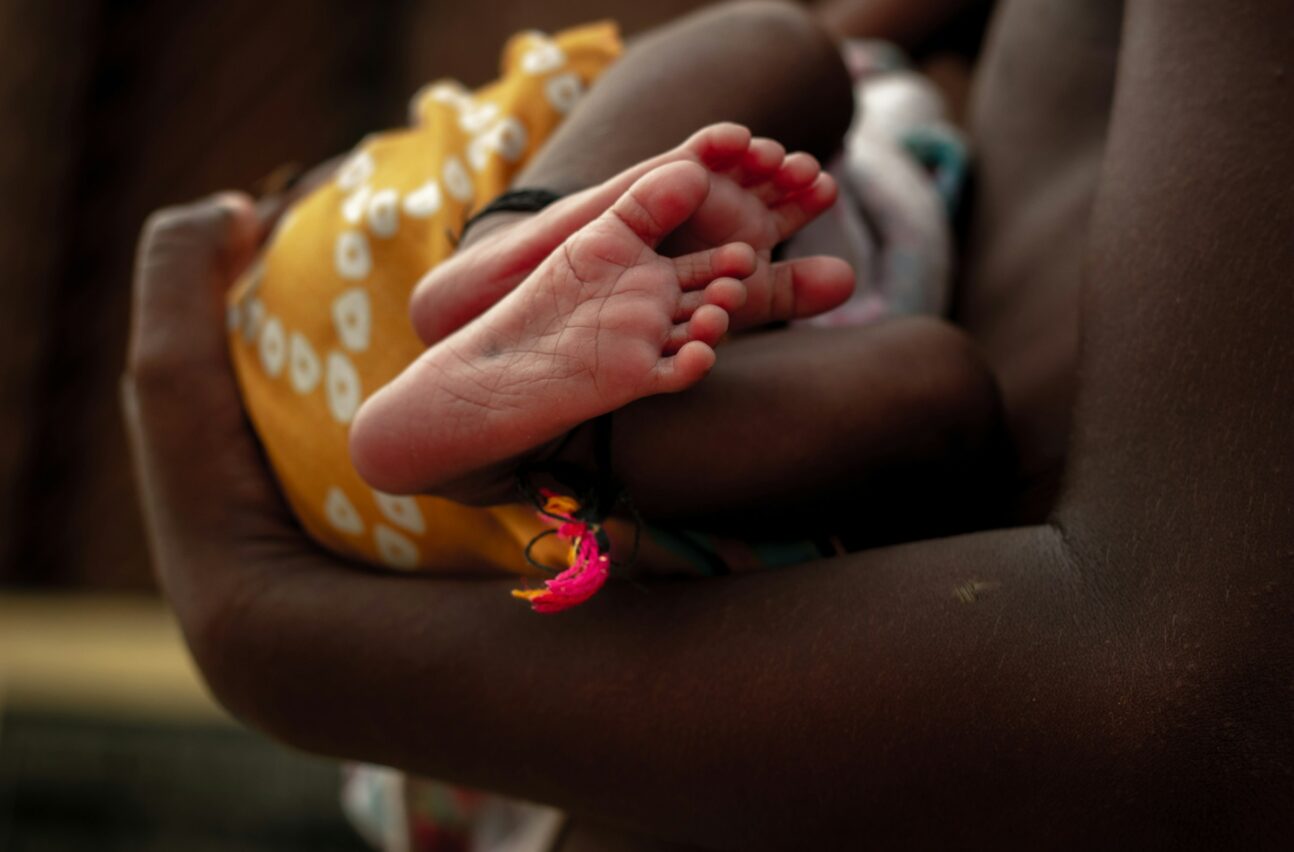
Kenyan Universities develop solutions for tungiasis, neonatal care, food security
Project Titles & Institution Areas of Research: Food/ nutritional security, and health Number of Projects being funded: 3 multi-institutional 2-year projects including private enterprises Project Duration: 18 months Grant Amount: 14M – 15M KES In-Kind…


Related News
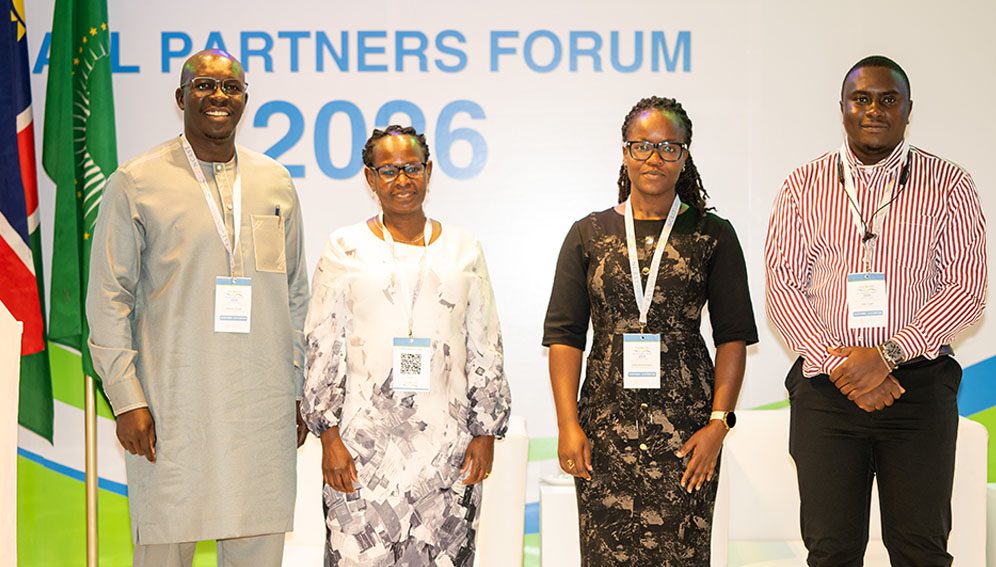
Voices from the SGCI Forum: Building an African-led science system
From calls for African-led research funding to stronger engagement with communities and governments, participants at the 2026 Science Granting Councils Initiative (SGCI) All Partners Forum left Windhoek with a shared sense that Africa’s science and innovation systems are entering a new phase. Held from 28…
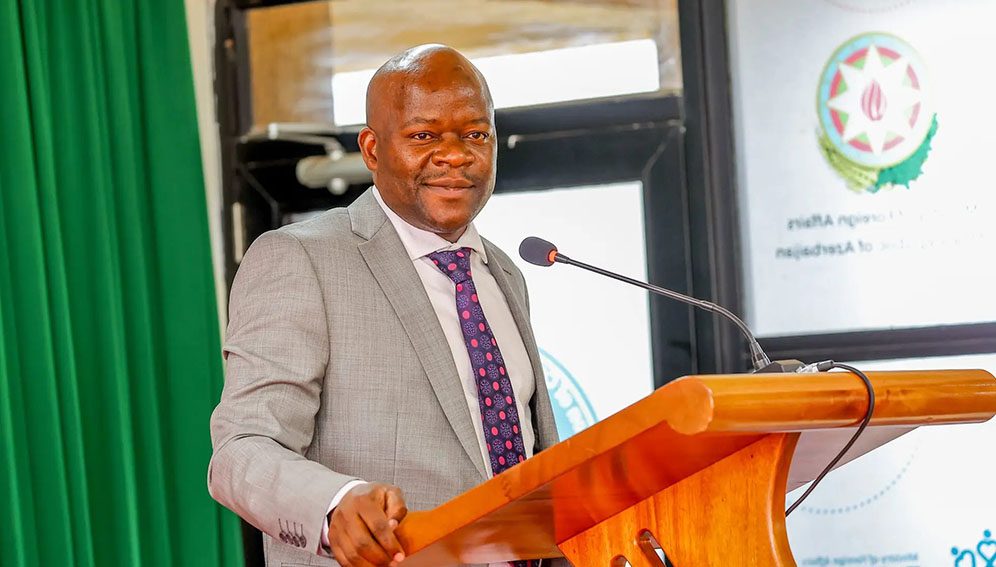
NRF champions science, climate action and youth empowerment
Kenya’s National Research Fund (NRF) is strengthening efforts to connect scientific research, innovation and youth participation with practical responses to climate and environmental challenges. NRF chief executive officer Dickson Andala represented the fund at the launch of the Climate Policy and Advocacy Training – Cohort…
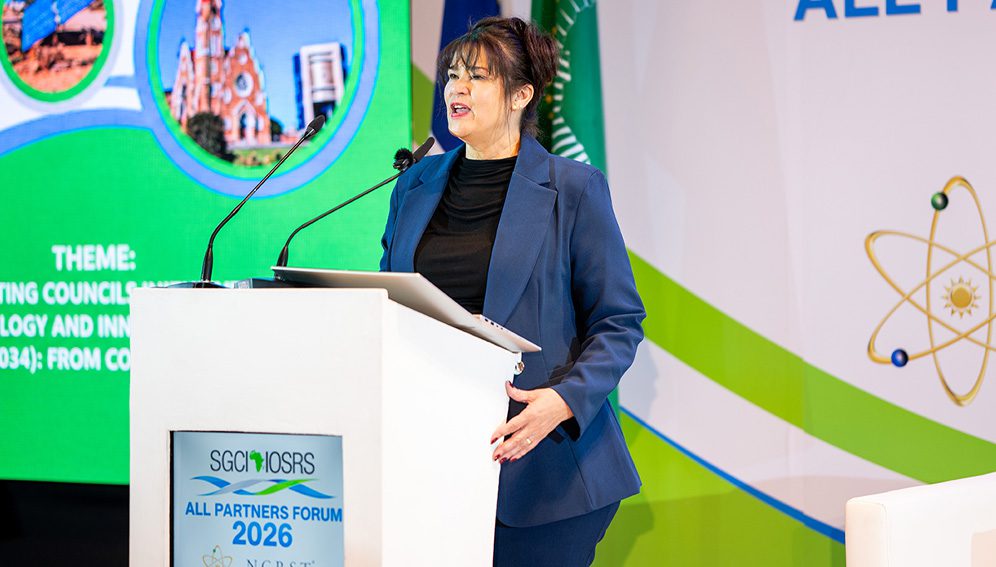
Windhoek Declaration: African science funders pledge to act as one
Science granting councils say Africa’s research systems need African ownership, steadier funding and less fragmentation. Here is what they agreed in Windhoek. African science granting councils adopted a collective declaration in Windhoek, Namibia, on 1 October 2026, as part of the Science Granting Councils Initiative…